
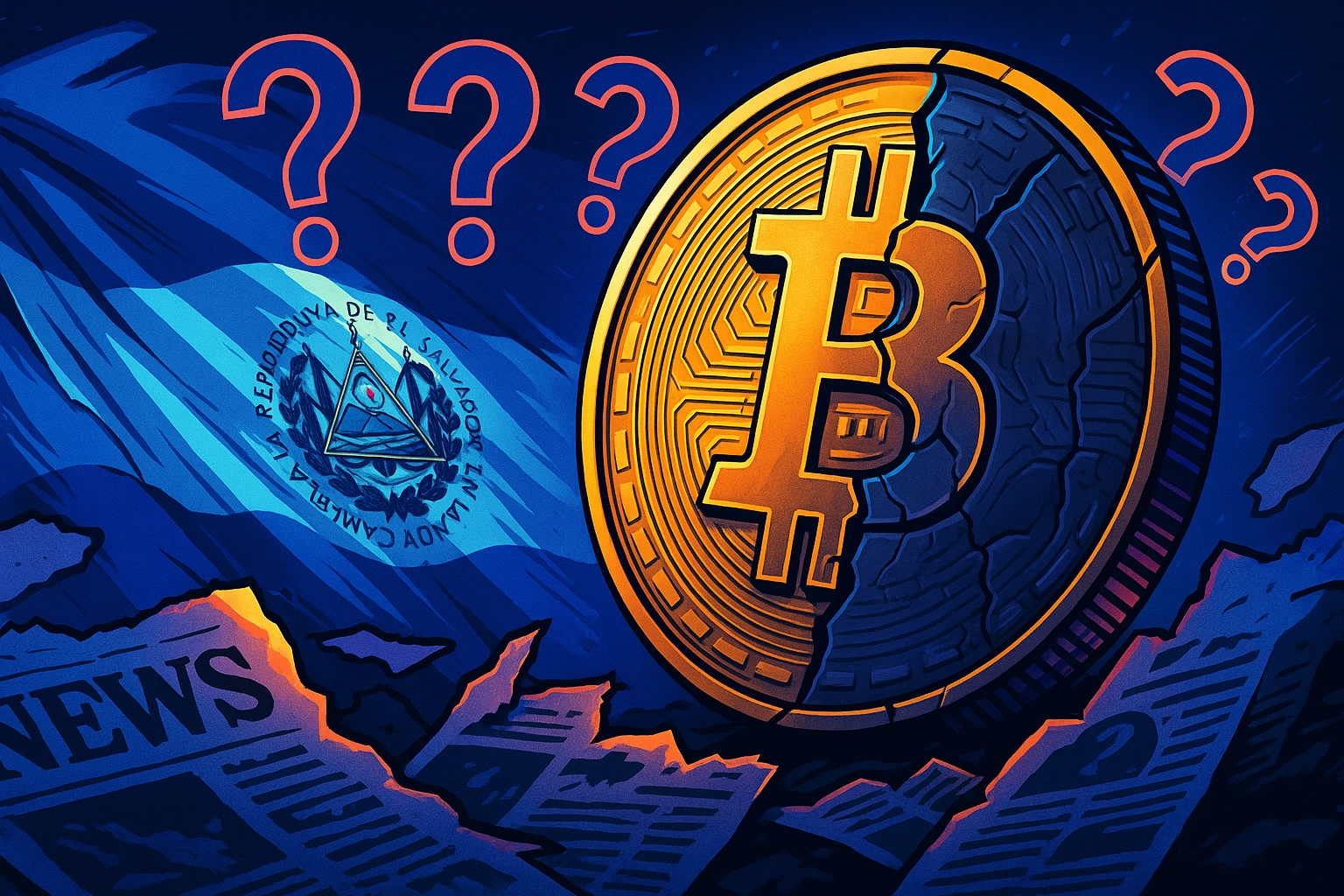
El Salvador Bitcoin Purchases Disputed by IMF Claims
El Salvador Bitcoin Purchases Face IMF Controversy Over Treasury Claims
El Salvador has quietly expanded its Bitcoin treasury with a fresh purchase of 8 BTC worth approximately $948,392, despite recent International Monetary Fund statements suggesting the country has stopped acquiring new cryptocurrency holdings.
The latest acquisition, announced on July 24 by El Salvador's Bitcoin Office, brings the nation's total publicly reported Bitcoin reserves to roughly 6,248 BTC, currently valued at around $740 million. The coins were purchased at an average price of $118,549 each.
IMF Questions El Salvador's Bitcoin Accumulation Strategy
The International Monetary Fund has challenged El Salvador's Bitcoin purchase claims, stating that the country has not acquired any new Bitcoin recently. According to the IMF, what appears to be new purchases are actually internal wallet transfers that create the illusion of accumulation without increasing total holdings.
The organization argues that El Salvador has been moving existing Bitcoin between different wallets rather than making genuine new acquisitions. This wallet shuffling allegedly makes it appear as though the country is continuously growing its Bitcoin reserves when the actual total remains unchanged.
The IMF also noted that El Salvador's national Bitcoin wallet system fails to provide real-time updates of reserve figures, contributing to ongoing confusion about the country's actual cryptocurrency holdings.
Bitcoin Education Expert Supports IMF Position
John Dennehy, founder of Bitcoin education project My First Bitcoin, has backed the IMF's assessment. Dennehy described the recent wallet activity as misleading, explaining that transfers between internal government accounts are being presented as fresh Bitcoin purchases.
This controversy highlights growing concerns about transparency in El Salvador's Bitcoin accounting practices and how the country reports its cryptocurrency activities to international financial institutions.
El Salvador Maintains Bitcoin Strategy Despite Criticism
The Salvadoran government has not issued an official response to the IMF's statements but continues to promote its comprehensive Bitcoin adoption strategy. The country remains focused on expanding Bitcoin education and literacy programs across multiple sectors.
Stacy Herbert, Director of El Salvador's Bitcoin Office, has emphasized the growing list of national Bitcoin education initiatives. These programs include Node Nation for high school students, the Bitcoin Diploma program, and CUBO+, which targets young technology talent throughout the country.
Over 80,000 civil servants are currently receiving Bitcoin training through the ESIAP program, demonstrating the government's commitment to widespread cryptocurrency education regardless of international pressure.
Bitcoin Adoption Pioneer Faces International Scrutiny
El Salvador continues positioning itself as a global leader in Bitcoin adoption, having been the first country to make Bitcoin legal tender in 2021. However, questions about financial transparency and compliance with international monetary agreements persist.
The ongoing dispute between El Salvador's reported Bitcoin purchases and the IMF's contradictory claims reflects broader tensions between national cryptocurrency policies and traditional international financial oversight.
This controversy may impact El Salvador's relationships with international lending institutions and could influence other countries considering similar Bitcoin adoption strategies.
Transparency Concerns Amid Continued Bitcoin Focus
The discrepancy between El Salvador's announced Bitcoin purchases and the IMF's assessment raises important questions about cryptocurrency accounting standards for sovereign nations. The lack of standardized reporting mechanisms for government Bitcoin holdings creates opportunities for misunderstandings or misrepresentations.
Despite these challenges, El Salvador shows no signs of abandoning its pro-Bitcoin stance. The country's continued investment in Bitcoin education and infrastructure suggests a long-term commitment to cryptocurrency integration, regardless of international skepticism.
The resolution of this controversy could set important precedents for how countries report and verify their cryptocurrency holdings to international financial institutions in the future.
For more Crypto, Web3, Blockchain & AI news visit : www.metamoonmedia.com