
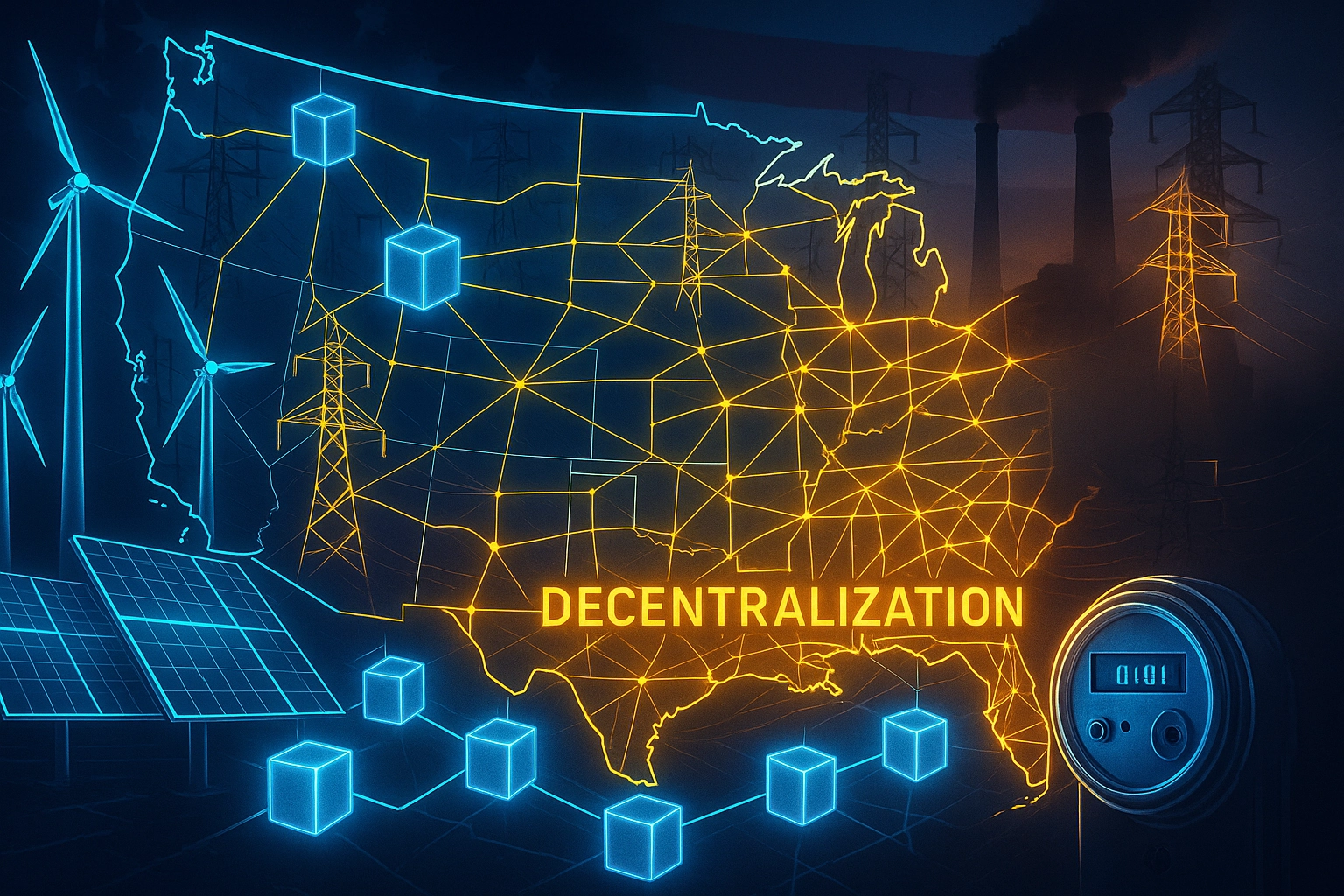
Blockchain Decentralizing US Energy Grid Infrastructure
Blockchain Technology Revolutionizes US Energy Grid Decentralization
How Blockchain Can Transform America's Energy Infrastructure
Blockchain technology presents a groundbreaking opportunity to modernize the United States electrical grid by coordinating human resources and underutilized assets to create decentralized energy infrastructure. This innovative approach could address critical energy challenges while supporting the growing demand from artificial intelligence and cryptocurrency operations.
The Power of Decentralized Energy Coordination
The fundamental principle behind blockchain's potential in energy grid transformation lies in its ability to coordinate incentives in previously impossible ways. By leveraging distributed ledger technology, energy systems can harness the gig economy model to mobilize everyday citizens and their resources for grid development.
This decentralized approach enables individuals to monetize their unused infrastructure, labor, and resources outside traditional working hours. Through token-based incentive systems, blockchain protocols can encourage widespread participation in energy grid expansion and maintenance.
Token Incentives Drive Distributed Energy Adoption
Several blockchain protocols are pioneering the use of token incentives to encourage residential energy participation. These systems motivate everyday people to install solar panels on their rooftops or deploy battery storage systems in their homes, creating a distributed energy network that operates independently of centralized utility infrastructure.
This grassroots approach to energy grid development offers several advantages over traditional centralized systems. Rather than relying solely on massive capital expenditures from utility companies, distributed energy networks can grow organically through individual participation and investment.
Strengthening Grid Resilience Through Decentralization
Decentralized energy systems inherently provide greater grid resilience compared to centralized alternatives. By distributing energy generation and storage across thousands of individual nodes, the overall system becomes more robust and less vulnerable to single points of failure.
This distributed approach also helps navigate regulatory challenges that often slow traditional energy infrastructure development. Decentralized systems can often bypass some of the regulatory red tape that typically accompanies large-scale energy projects.
Supporting America's AI and Technology Growth
The Trump administration has identified strengthening the US energy grid as a major priority for supporting artificial intelligence development and other energy-intensive industries. The current electrical grid, described as one of the largest and most complex machines on Earth, requires significant upgrades to support future data centers and high-performance computing applications.
Blockchain-powered decentralized energy systems could play a crucial role in meeting this growing demand. By enabling rapid deployment of distributed energy resources, these systems can help scale energy capacity more quickly than traditional centralized approaches.
Meeting Rising Energy Demands
The United States faces unprecedented energy demands from multiple sources, including AI data centers, cryptocurrency mining operations, and other high-performance computing applications. Traditional energy infrastructure struggles to keep pace with this rapidly growing demand.
Decentralized blockchain-based energy systems offer a scalable solution that can adapt to changing demand patterns more effectively than centralized alternatives. These systems can dynamically allocate resources and adjust capacity based on real-time needs across the network.
Nuclear Energy and Grid Modernization
As part of comprehensive energy infrastructure upgrades, the administration is exploring nuclear energy generation and improving electromagnetic disruption protection for existing grid components. These initiatives complement blockchain-based decentralization efforts by providing reliable baseload power and enhanced security.
Building redundant energy systems ensures maximum grid uptime and resilience while maintaining critical backup capabilities. This multi-layered approach to energy security combines traditional infrastructure improvements with innovative blockchain-powered distributed systems.
The Future of Decentralized Energy Networks
Blockchain technology represents a paradigm shift in how energy systems can be organized and operated. By enabling direct coordination between distributed energy resources without central control, these systems can create more efficient, resilient, and responsive energy networks.
The integration of blockchain incentive mechanisms with renewable energy technologies creates opportunities for unprecedented levels of citizen participation in energy infrastructure development. This democratization of energy production and distribution could fundamentally transform how societies organize their energy systems.
Economic Benefits of Distributed Energy Systems
Decentralized energy networks offer significant economic advantages for both individual participants and the broader energy ecosystem. Homeowners and businesses can generate revenue from their energy investments while contributing to overall grid stability and capacity.
This model creates new economic opportunities in communities across the country, allowing individuals to participate directly in energy markets that were previously accessible only to large utility companies and energy corporations.
Technological Innovation in Energy Markets
The convergence of blockchain technology with renewable energy systems represents a major technological innovation in energy markets. Smart contracts can automate energy trading, grid balancing, and resource allocation without requiring centralized oversight or control.
These automated systems can respond to market conditions and grid demands in real-time, optimizing energy distribution and pricing across the entire network. This level of responsiveness and efficiency would be impossible to achieve with traditional centralized energy management systems.
Conclusion: A New Era of Energy Independence
Blockchain technology offers a transformative approach to energy grid modernization that addresses multiple challenges simultaneously. By enabling decentralized coordination of energy resources, these systems can support growing demand while improving grid resilience and creating new economic opportunities.
As the United States works to maintain its technological leadership in artificial intelligence and other energy-intensive industries, blockchain-powered distributed energy systems may prove essential for meeting future energy needs efficiently and sustainably.
For more Crypto, Web3, Blockchain & AI news visit : www.metamoonmedia.com