
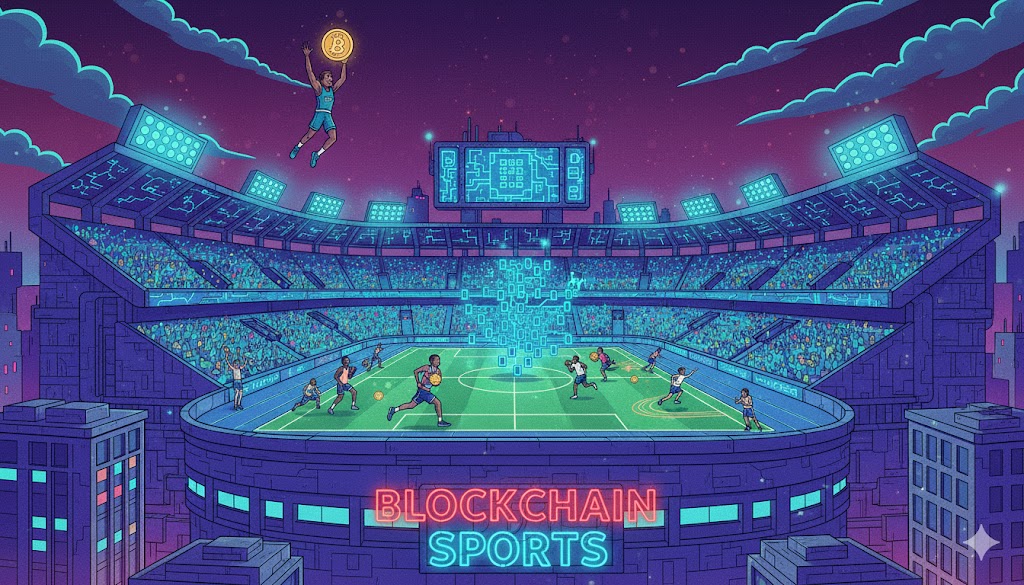
Blockchain in Sports: Core Infrastructure Revolution
Blockchain in Sports: From Marketing Tool to Essential Infrastructure
How Sports Organizations Are Driving Blockchain Adoption
The sports industry has emerged as the primary distribution channel for blockchain technology's mainstream adoption. Professional leagues, teams, and venues now operate verifiable ticketing systems, identity management platforms, and rights-management solutions as mission-critical infrastructure that functions at stadium scale.
This transformation has positioned sports organizations as decisive technology buyers, integrating blockchain into everyday fan experiences and operational workflows.
The Evolution From Sponsorships to Operational Integration
In earlier cryptocurrency cycles, the relationship between crypto and sports focused primarily on visibility. Naming-rights deals placed exchange logos on NBA arenas, and crypto sponsorships reached national levels across multiple sports organizations.
While these partnerships generated significant brand awareness for cryptocurrency platforms, they emphasized marketing over embedding tangible value within the sports ecosystem. The current phase represents a fundamental shift toward operational implementation, addressing real challenges including ticketing fraud prevention, verifiable player data management, enhanced fan engagement mechanisms, and transparent contract execution.
Solving Real-World Problems in Sports Operations
Sports organizations operate on principles of efficiency and reliability. Modern blockchain solutions now deliver production-ready ticketing systems, identity verification modules, and settlement platforms that meet these operational demands.
The practical approach involves consolidation on purpose-built networks that clubs can standardize across venues and partner organizations. This standardization enables leagues to integrate these systems directly into stadium operations, creating new revenue streams and deepening fan engagement through transparent and immutable technology.
Blockchain-based ticketing systems effectively curb fraud and enforce secondary-market regulations. Verifiable onchain data supports transparent athlete performance metrics for scouting and fantasy sports applications. Smart contracts automate complex multiparty agreements for sponsorships and endorsement deals.
Market analysts project the blockchain market in the sports industry will grow from approximately 2.05 billion dollars in 2024 to 10 billion dollars by 2035, reflecting the technology's increasing operational importance.
The Need for Unified Infrastructure
Closed, single-purpose blockchain products cannot satisfy comprehensive league requirements. Sports organizations need standardized settlement layers with unified policy frameworks, consistent fee structures, and integrated observability capabilities.
A single purpose-built, sports-optimized network allows fans to use one account across official team applications while clubs connect to the same compliant infrastructure for ticketing, loyalty programs, and payment distributions.
This approach creates a unified loyalty identity anchored to a single network and recognized across participating leagues and clubs. Digital collectibles and membership perks exist within one wallet ecosystem and one marketplace infrastructure, improving liquidity, data integrity, system supportability, and user trust.
Critical Use Cases and Implementation Challenges
The essential blockchain applications in sports are clearly defined: ticketing systems, data verification trails, loyalty programs, and rights management platforms. However, the industry faces a shortage of robust, field-tested implementations. This gap underscores the need for production-grade modules that have undergone thorough audits for privacy protection and regulatory compliance.
Governance and integrity workflows are also evolving through blockchain integration. These architectures enhance integrity mechanisms for doping control and credential verification, ensuring audits remain tamper-evident and access-controlled across organizations. In practical terms, this means more transparent chains of custody for athlete data and faster verification processes for staff credentials at major sporting events.
Seamless User Experience as a Priority
End users do not need to understand blockchain technology to benefit from its implementation. A secure mobile ticket that unlocks stadium turnstiles, a digital collectible that redeems for a seat upgrade, or a verifiable vote on a club initiative represent familiar actions built on superior technical infrastructure.
Modern implementations make the blockchain layer invisible to users. A blockchain-backed ticket functions exactly like a traditional one: fans open an email, display a QR code, and pass through the turnstile. Users do not need to understand the underlying technology protocols to benefit from the enhanced security and functionality.
The blockchain operates in the background while the user experience remains familiar and intuitive. This approach demonstrates that sustainable product-market fit depends on repeatable, embedded interactions rather than novel interfaces that require learning curves.
Reaching Beyond Traditional Crypto Demographics
The universal appeal of sports reaches fans across all ages and geographic regions, extending far beyond typical cryptocurrency user profiles. When secure mobile tickets, verifiable collectibles, and loyalty mechanics operate within official team applications, blockchain functions as an invisible infrastructure layer that meets users in their existing digital environments.
Stadium routines including entry scans, seat upgrades, and postgame rewards become regular onchain interactions that build familiarity through repeated use. This consistent exposure occurs naturally within the context of activities fans already enjoy.
Where Financial Value Accumulates
Budget allocations in sports organizations have shifted from high-visibility sponsorships toward multi-year software and settlement contracts that impact every match day. These investments support critical functions including ticket issuance, access control, loyalty point accrual, and rights accounting.
Technology vendors that demonstrate measurable reductions in ticket fraud, predictable secondary-market royalty collection, and faster payment logic for performance incentives will secure league-wide implementation agreements. Procurement decisions increasingly favor single networks that integrate with existing fan databases and stadium turnstile systems, conceal wallet complexity within official applications, and provide auditable data to regulators on demand.
This operational focus reframes how the industry evaluates successful blockchain implementations. Venue-scale transaction throughput during concentrated time windows becomes critical, particularly handling hundreds of thousands of credential scans around event start times. Privacy guarantees that satisfy data-protection audits are equally essential. A common settlement layer reduces operational risk while simplifying vendor management across multiple stakeholders.
Technical Requirements for Sport-Optimized Networks
The technology stack must maintain modularity within a single blockchain network, supporting pluggable data availability solutions, configurable permission structures, and standardized verifiable credentials recognized across the entire network without fragmenting the fan experience.
Successful implementations deliver on three fundamental promises: transparency in operations and transactions, automation of complex multi-party processes, and verifiable settlement mechanisms that all stakeholders can trust.
The Path Forward for Blockchain in Sports
Sports have evolved beyond serving merely as a marketing vehicle for cryptocurrency platforms. They now function as a proving ground where blockchain technology becomes indispensable operational infrastructure. Fans already interact with blockchain technology when purchasing tickets, voting on team decisions, or trading verified digital collectibles, often without conscious awareness of the underlying technology.
The next phase of adoption will be driven by practical achievements that make venues safer, settlements more efficient, and fan journeys smoother. These incremental operational improvements compound across seasons, building institutional confidence and user familiarity.
A blockchain network that earns its place in stadium infrastructure establishes a pathway into mainstream consumer life, demonstrating blockchain's value through reliable performance in high-stakes, high-volume environments.
The transformation of blockchain from experimental technology to essential sports infrastructure represents a significant milestone in enterprise blockchain adoption, with implications extending far beyond the sports industry itself.
For more Crypto, Web3, Blockchain & AI news visit : www.metamoonmedia.com