
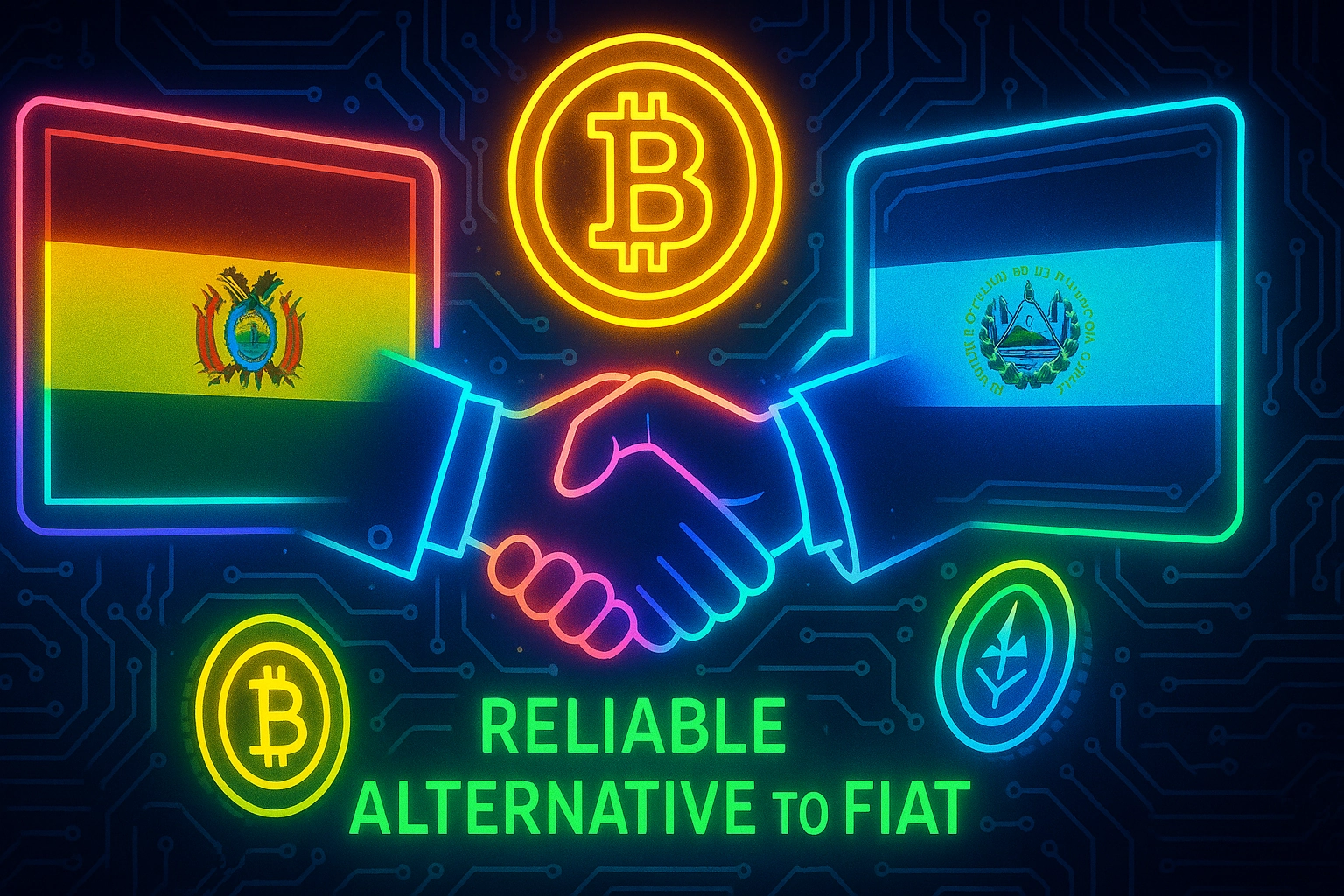
Bolivia Partners El Salvador on Crypto Adoption Strategy
Bolivia Partners with El Salvador to Accelerate Cryptocurrency Adoption
Bolivia's central bank has officially recognized cryptocurrency as a viable and reliable alternative to traditional fiat currencies while signing a strategic partnership agreement with El Salvador to advance digital asset adoption across the region.
Historic Partnership Agreement Details
The memorandum of understanding between Bolivia's Central Bank and El Salvador's National Commission of Digital Assets aims to modernize Bolivia's financial infrastructure and enhance financial inclusion for families and small business owners. The agreement, signed by Central Bank of Bolivia Acting President Edwin Rojas Ulo and CNAD President Juan Carlos Reyes García, takes effect immediately with indefinite duration.
This collaboration focuses on policy development sharing and cryptocurrency intelligence tools exchange between the two nations. El Salvador's experience as the first country to adopt Bitcoin as legal tender provides valuable regulatory and economic insights for Bolivia's crypto integration strategy.
Bolivia's Cryptocurrency Market Growth
Following the lifting of its longstanding cryptocurrency ban in June 2024, Bolivia has experienced remarkable digital asset trading growth. The central bank reported cryptocurrency trading volumes reached $46.8 million in the first three months, averaging $15.6 million monthly and doubling the previous 18-month average.
The momentum continued into 2025, with total cryptocurrency volume reaching $294 million by June 30, demonstrating strong domestic adoption and market confidence in digital assets.
Cryptocurrency Solution for Economic Challenges
Bolivia's embrace of cryptocurrency stems from addressing severe economic pressures, particularly US dollar shortages affecting international trade. In March, state-owned energy company Yacimientos Petrolíferos Fiscales Bolivianos received government approval to accept cryptocurrency payments for fuel imports.
The country's foreign exchange reserves have declined dramatically from $12.7 billion in July 2014 to just $165 million in April 2024, representing a 98% decrease according to Trading Economics data. This currency crisis has driven many Bolivians to seek stable alternatives.
Growing Cryptocurrency Adoption Among Bolivians
Local merchants have begun pricing basic goods in Tether USDT stablecoin, indicating grassroots cryptocurrency adoption beyond government initiatives. While the Bolivian boliviano remains the primary currency, concerns about purchasing power erosion have increased demand for stable alternatives including US dollars and cryptocurrencies.
This shift reflects broader Latin American trends toward cryptocurrency adoption during periods of currency instability and inflation concerns.
Political Implications and Future Outlook
The cryptocurrency partnership announcement comes before Bolivia's crucial general election scheduled for August 17, where voters will decide the country's political direction after nearly two decades of socialist governance since 2005.
Election forecasts suggest a runoff scenario is likely, with cryptocurrency prediction markets giving only 5% odds for an outright first-round victory. If no candidate achieves 50% support or 40% with a 10-point lead, a runoff election will occur on October 19.
Regional Cryptocurrency Leadership
Bolivia's partnership with El Salvador strengthens regional cryptocurrency cooperation and positions both countries as digital asset leaders in Latin America. The collaboration may serve as a model for other countries facing similar economic challenges and seeking financial system modernization.
The agreement represents a significant milestone in Bolivia's pro-cryptocurrency pivot, building on regulatory changes that have already demonstrated positive market results and citizen adoption. This partnership could accelerate cryptocurrency integration across government services and commercial applications.
As Bolivia navigates economic challenges and political transitions, cryptocurrency adoption emerges as a strategic tool for financial stability and international trade facilitation, supported by regional expertise and proven implementation strategies from El Salvador's Bitcoin legal tender experience.
For more Crypto, Web3, Blockchain & AI news visit : www.metamoonmedia.com