
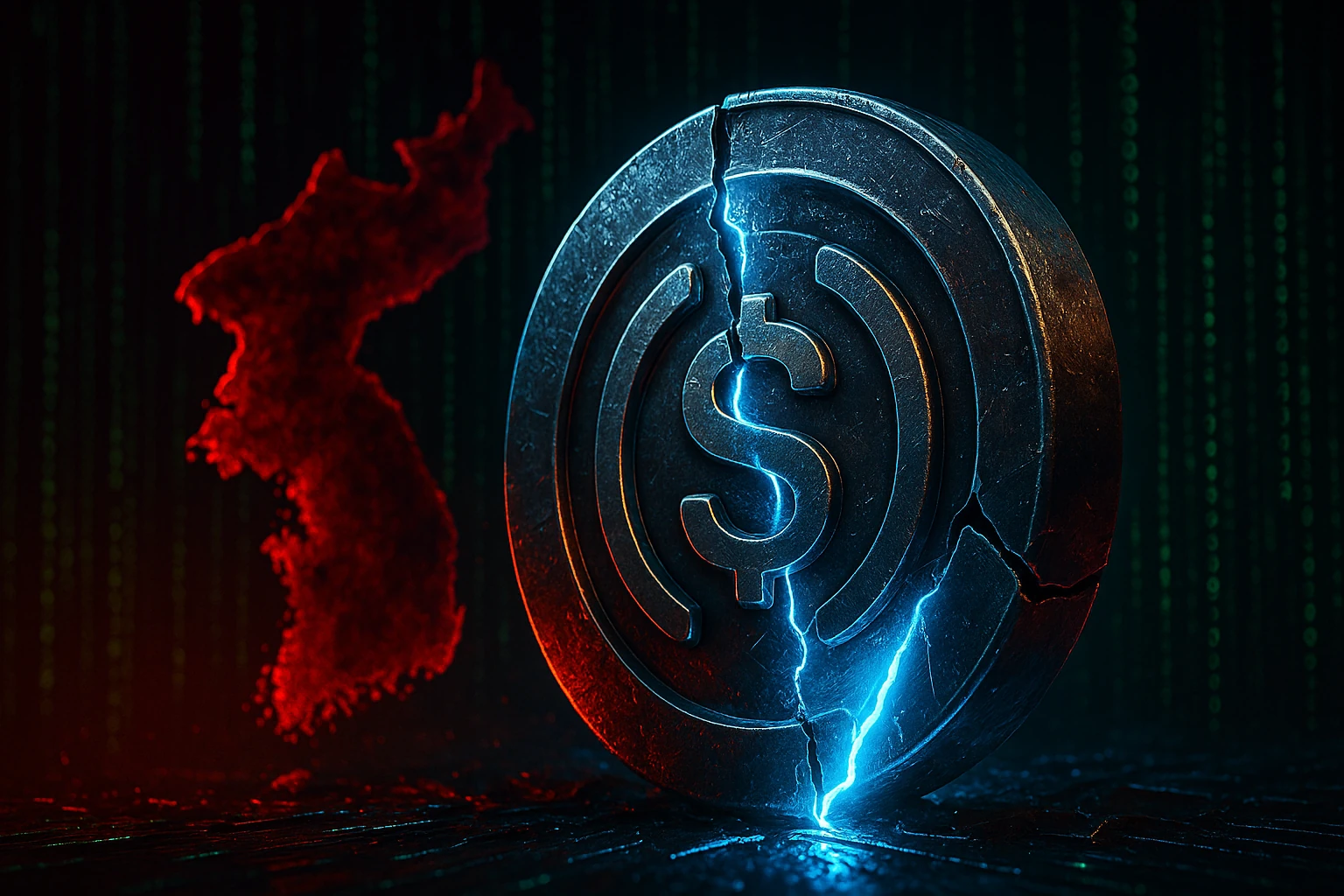
Circle USDC Allegedly Used by North Korea, License at Risk
Introduction
Blockchain analytics expert ZachXBT recently highlighted a significant compliance gap at Circle, alleging that North Korean entities have exploited USD Coin (USDC) to move illicit funds. These revelations arrive as Circle seeks to convert its payments business into a federally chartered U.S. bank.
ZachXBT’s Findings
Scale of Transactions: ZachXBT reports that “high eight-figure” sums of USDC have transacted without triggering freezes or alerts, suggesting that Circle’s on-chain monitoring systems failed to detect or block sanctioned addresses in real time.
Nature of Addresses: The transactions allegedly involve wallets tied to North Korean IT firms that facilitate illicit cryptocurrency flows to support state-sponsored cyberattacks and sanctions evasion.
Comparative Trust: While acknowledging Circle as more transparent than many issuers, ZachXBT cautioned that even leading stablecoin providers require stricter real-time screening to counter sophisticated laundering techniques.
Regulatory and Licensing Implications
Circle’s application for a U.S. banking charter hinges on demonstrating robust compliance controls. Key considerations include:
Enhanced Transaction Monitoring: Regulators will demand proof that Circle can identify and freeze funds linked to sanctioned entities within minutes, not days.
Audit and Reporting: Independent audits of on-chain activity and clear reporting frameworks will be prerequisites for approval.
Capital and Governance Requirements: As a bank, Circle must meet higher capital standards and maintain board oversight to manage compliance risks.
Market Reaction and Stock Performance
Since its IPO at $31, Circle’s stock surged above $300 but has retraced roughly 28% amid these allegations, currently trading near $180. Analysts view the pullback as an entry point, forecasting a rebound as Circle strengthens its compliance posture and advances its charter.
Potential Remediation Measures
Real-Time Sanctions Lists Integration: Automated cross-checks against updated global sanctions databases should be embedded directly into the USDC minting and transfer process.
Partnerships with Forensics Firms: Collaborating with blockchain forensics companies can enhance threat detection and wallet attribution capabilities.
Transparent Incident Protocols: Establishing clear incident response procedures, including timely public disclosures, will bolster regulatory confidence.
Conclusion
Circle stands at a crossroads: it must swiftly address these compliance deficiencies to secure its U.S. banking charter and reassure investors. Successful remediation will not only protect Circle’s reputation but also strengthen the overall integrity of the stablecoin ecosystem.