
Crypto Spoofing Explained: Market Manipulation Guide
What Is Crypto Spoofing and How It Manipulates Markets
Understanding Crypto Spoofing
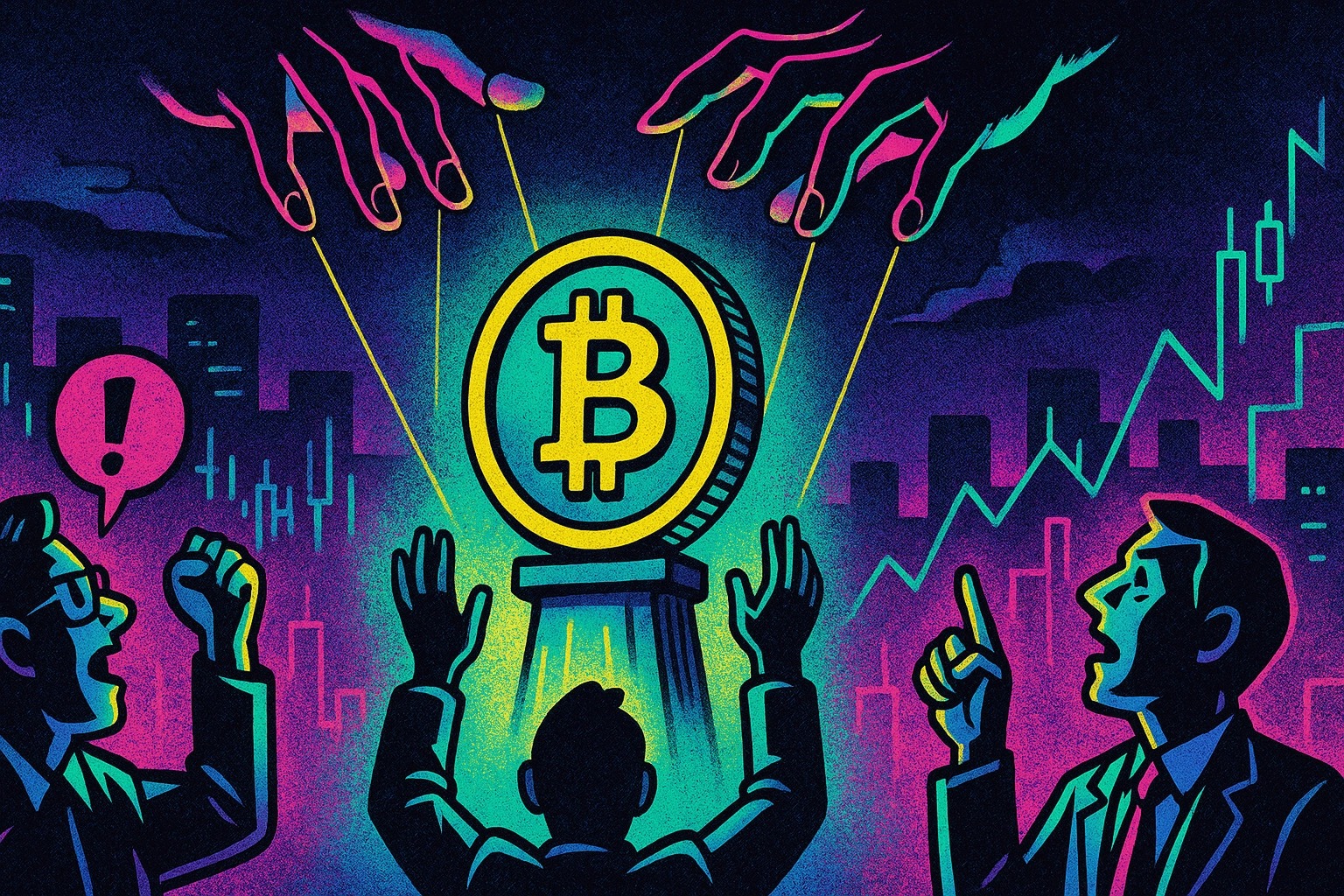
Crypto spoofing is a deceptive market manipulation strategy where traders place fake buy or sell orders to artificially influence cryptocurrency prices. This practice creates false market signals that trick other investors into making trading decisions based on misleading information.
The spoofing process works by creating an illusion of strong market demand or selling pressure. A trader might place a massive buy order for Bitcoin, suggesting bullish sentiment and encouraging others to purchase. However, once the price begins to rise, the spoofer cancels their fake order and sells their actual holdings at the inflated price.
This manipulation technique exploits both human psychology and automated trading systems. When other traders or trading algorithms see large orders in the order book, they often interpret these as legitimate market signals, leading to predictable price movements that spoofers can exploit for profit.
How Crypto Spoofing Works in Digital Asset Markets
The Mechanics of Market Deception
Cryptocurrency markets are particularly vulnerable to spoofing due to their high volatility and emotional trading behavior. The digital asset space experiences rapid price changes, making even small market signals capable of triggering significant price movements within seconds.
Spoofers capitalize on this market sensitivity by placing substantial fake orders without intending to execute them. These phantom orders create artificial walls of buy or sell pressure that influence market perception and trader behavior.
Common Spoofing Scenarios
Bullish Spoofing: Traders place large fake buy orders to create upward price pressure. When prices increase, they cancel the fake orders and sell their actual holdings at higher prices.
Bearish Spoofing: Large fake sell orders create downward pressure, causing panic selling. Spoofers then cancel their orders and buy at depressed prices.
Layer Spoofing: A sophisticated variant involving multiple fake orders at different price levels, creating the appearance of strong market depth and interest across various price points.
Impact on Automated Trading
Automated trading bots are especially susceptible to spoofing since they react to order book data without questioning the authenticity of orders. These systems can respond instantly to large orders, amplifying the spoofer's intended market effect and creating additional volatility.
Legal Status and Regulatory Framework
United States Regulations
Crypto spoofing is illegal under federal law in the United States. The Dodd-Frank Act of 2010 classifies spoofing as a federal crime, with enforcement handled by the Commodity Futures Trading Commission (CFTC) and the Securities and Exchange Commission (SEC).
Penalties for spoofing violations are severe, including:
Up to 10 years in prison per violation
Substantial financial penalties
Trading bans and license revocations
International Regulatory Landscape
The United Kingdom's Financial Conduct Authority (FCA) enforces similar anti-spoofing regulations to maintain market integrity. European Union financial regulators also classify spoofing as illegal market manipulation.
However, enforcement remains challenging in the cryptocurrency space, particularly on offshore platforms operating in regulatory gray areas. Many popular exchanges continue to experience manipulation despite increased institutional involvement and regulatory scrutiny.
Recent Market Examples
In April 2025, a notable spoofing incident occurred on Binance when a $212 million Bitcoin sell order appeared at $85,600, significantly above market rates, only to vanish moments later. This phantom order created temporary market volatility and demonstrated how spoofing continues to affect even major exchanges.
Detecting Crypto Spoofing: Warning Signs and Tools
Key Indicators of Spoofing Activity
Order Book Anomalies: Large orders that appear at critical price levels and disappear before execution often indicate spoofing. These phantom orders create false supply and demand signals.
High Cancellation Rates: Frequent placement and rapid cancellation of substantial orders without execution suggests manipulative behavior. Experienced spoofers often follow recognizable patterns in their cancellation timing.
Liquidity Disruptions: When significant liquidity disappears just before or during price movements, manipulation may be occurring. Liquidity maps can help visualize these suspicious patterns.
Price-Volume Disconnects: Unexpected price movements or volume spikes without corresponding news or fundamental market changes may indicate spoofing activity.
Detection Challenges
Real-time spoofing detection remains difficult, especially on smaller exchanges with limited monitoring systems and relaxed Know Your Customer requirements. The sophisticated nature of modern spoofing techniques makes identification challenging even for experienced traders.
Layer spoofing, in particular, uses multiple smaller orders spread across different price levels to appear more legitimate and avoid detection systems designed to catch single large phantom orders.
Spoofing vs. Other Market Manipulation Tactics
Spoofing vs. Maximal Extractable Value (MEV)
While both practices can harm traders, spoofing and MEV operate differently:
Spoofing: Uses fake orders on exchange order books to manipulate prices and trader behavior.
MEV: Involves miners or validators reordering blockchain transactions to extract additional profit through frontrunning or sandwich attacks.
Spoofing vs. Wash Trading
Spoofing: Creates false market signals through phantom orders that are never executed.
Wash Trading: Involves actually buying and selling the same asset to create artificial trading volume.
Both practices are illegal manipulation tactics commonly found on unregulated cryptocurrency exchanges.
Protection Strategies for Crypto Investors
Exchange Selection and Due Diligence
Choose Regulated Platforms: Trade exclusively on well-established, regulated exchanges with proven track records for transparency and compliance. These platforms typically have better detection systems and face regulatory oversight.
Verify Regulatory Status: Ensure your chosen exchange operates under proper licensing and regulatory supervision in your jurisdiction.
Trading Best Practices
Monitor Order Books: Watch for unusual patterns such as large orders that appear and disappear rapidly. These phantom orders often aim to create false market impressions.
Use Limit Orders: Implement limit orders to set specific entry and exit points, protecting against sudden price swings caused by manipulation.
Cross-Reference Data: Compare price movements and trading volumes across multiple reputable sources and exchanges. Significant discrepancies may indicate manipulation on specific platforms.
Market Analysis and Verification
Fundamental Analysis: Base trading decisions on solid research, news, and market fundamentals rather than sudden order book changes or emotional reactions.
Multiple Source Verification: Confirm market trends using various data sources, including CoinMarketCap and other established crypto data providers.
Emotional Discipline: Avoid making impulsive decisions based on Fear of Missing Out (FOMO) or Fear, Uncertainty, and Doubt (FUD), as these emotions make investors more susceptible to manipulation.
The Future of Anti-Spoofing Measures
Technological Solutions
Major cryptocurrency exchanges are implementing advanced real-time detection systems designed to identify and prevent spoofing before it affects market prices. These systems use machine learning algorithms to analyze trading patterns and detect suspicious behavior.
Regulatory Evolution
As cryptocurrency markets mature and attract more institutional investment, regulatory frameworks continue to evolve. Authorities worldwide are developing more sophisticated enforcement mechanisms and working with exchanges to improve market integrity.
Market Education and Awareness
Increased investor education about spoofing and other manipulation tactics helps create more resilient markets. Informed traders are less likely to fall victim to these deceptive practices, reducing their effectiveness over time.
Conclusion
Crypto spoofing remains a significant challenge in digital asset markets despite legal prohibitions and increasing regulatory attention. Understanding how spoofing works, recognizing warning signs, and implementing proper protection strategies are essential for successful cryptocurrency trading.
While detection and prevention systems continue to improve, investors must remain vigilant and employ sound trading practices to protect themselves from market manipulation. As the cryptocurrency space matures, continued regulatory development and technological advancement will play crucial roles in reducing spoofing and creating fairer, more transparent markets for all participants.
For more Crypto, Web3, Blockchain & AI news visit : www.metamoonmedia.com