
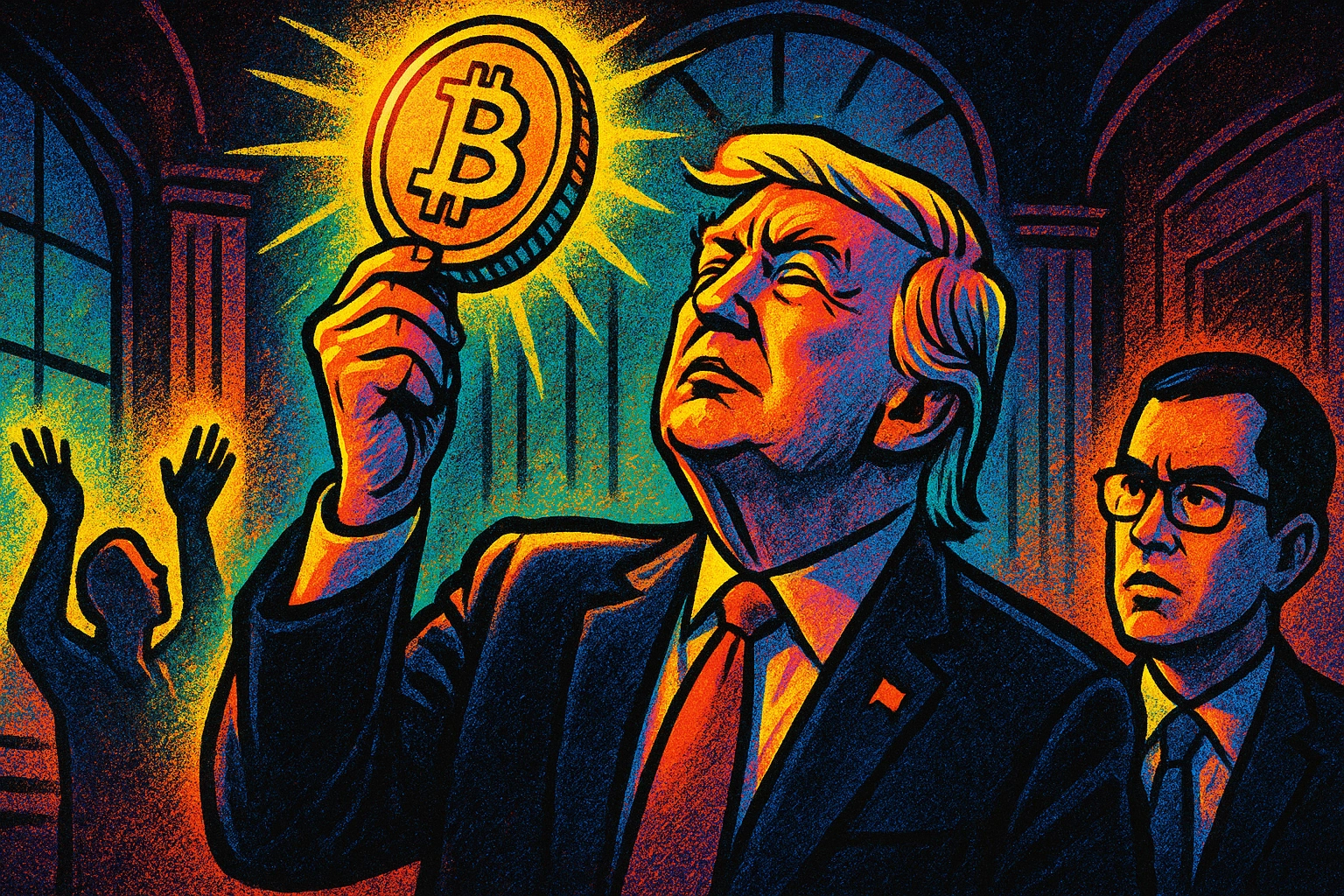
CZ Lawyer Denies Pay-to-Play Claims on Trump Pardon
CZ Lawyer Denies Pay-to-Play Claims on Trump Pardon
Attorney Refutes Corruption Allegations Surrounding Binance Founder's Presidential Pardon
The legal representative for Binance co-founder Changpeng Zhao, commonly known as CZ, has firmly rejected allegations that the cryptocurrency entrepreneur paid for his presidential pardon from Donald Trump.
False Statements Fuel Controversy
Speaking on a recent podcast appearance, CZ's personal attorney Teresa Goody Guillén characterized the criticism surrounding the pardon as a collection of false statements and misinformation. She emphasized that many critics demonstrate a fundamental misunderstanding of both business operations and blockchain technology.
Guillén specifically challenged media reports that incorrectly identify World Liberty as Trump's company, stating she has seen no evidence to support such claims. The attorney argued that many assumptions being made about the pardon lack factual basis.
Background on CZ's Legal Issues
The former Binance CEO served four months in prison during 2024 after stepping down from his leadership role at the cryptocurrency exchange. His conviction stemmed from charges related to the failure to establish proper Anti-Money Laundering protocols at the company.
In October, President Donald Trump granted CZ a pardon, stating that the actions for which the Binance founder was imprisoned did not constitute a crime. The decision sparked immediate controversy among political figures and cryptocurrency skeptics.
Political Criticism and Response
Democratic Senator Elizabeth Warren labeled the pardon as an act of corruption, claiming CZ promoted one of Trump's cryptocurrency ventures and actively lobbied for clemency. The senator's allegations suggested a quid pro quo arrangement.
CZ responded directly to Warren's accusations, stating that she failed to get her facts correct. His attorney echoed this sentiment, pointing out several factual errors in Warren's public statements.
Guillén criticized the senator for incorrectly asserting that CZ had been convicted of crimes he was never charged with, while also making unfounded allegations about additional criminal liability related to the pardon. The attorney raised concerns about the immunity granted to politicians when making such public accusations.
Justice Versus Persecution
During her podcast appearance, Guillén argued that CZ's pardon represented an act of justice rather than political favoritism. She positioned her client as a scapegoat in what she described as a broader war against the cryptocurrency industry.
The attorney highlighted that CZ remains the only individual ever prosecuted and imprisoned for this specific type of charge under circumstances involving no fraud, no victims, and no prior criminal history. She contrasted this with traditional finance executives who faced similar regulatory issues but received no jail time.
Timing and Context of Prosecution
Guillén suggested the timing of CZ's prosecution was significant, occurring shortly after the high-profile FTX collapse. She argued that regulatory authorities felt pressure to take strong action against someone in the cryptocurrency sector, and Binance and its founder became the targets.
The attorney described the prosecution as part of a pattern of persecution against cryptocurrency businesses and leaders, positioning CZ's case within a broader regulatory and political context affecting the entire digital asset industry.
CZ Denies Trump Family Connections
The Binance founder has publicly stated that he was surprised by the pardon and has denied having any connections to the Trump family. These statements further challenge the narrative that the pardon resulted from personal relationships or financial arrangements.
Ongoing Debate About Cryptocurrency Regulation
The controversy surrounding CZ's pardon highlights ongoing tensions between cryptocurrency industry leaders and regulatory authorities. The case continues to fuel debates about appropriate enforcement actions, regulatory clarity, and the treatment of digital asset businesses compared to traditional financial institutions.
Critics argue that lenient treatment of cryptocurrency executives undermines the rule of law, while supporters contend that overzealous prosecution stifles innovation and unfairly targets emerging technology sectors.
Implications for the Crypto Industry
The pardon and subsequent debate have significant implications for how regulatory enforcement will proceed in the cryptocurrency space. Industry observers are closely watching how this case influences future prosecutorial decisions and the broader relationship between digital asset businesses and government authorities.
As the cryptocurrency industry continues to mature, questions about appropriate regulatory frameworks, enforcement priorities, and equal application of the law remain at the forefront of policy discussions.
For more Crypto, Web3, Blockchain & AI news visit : www.metamoonmedia.com