
Decentralized AI Ignites a New Renaissance
Introduction
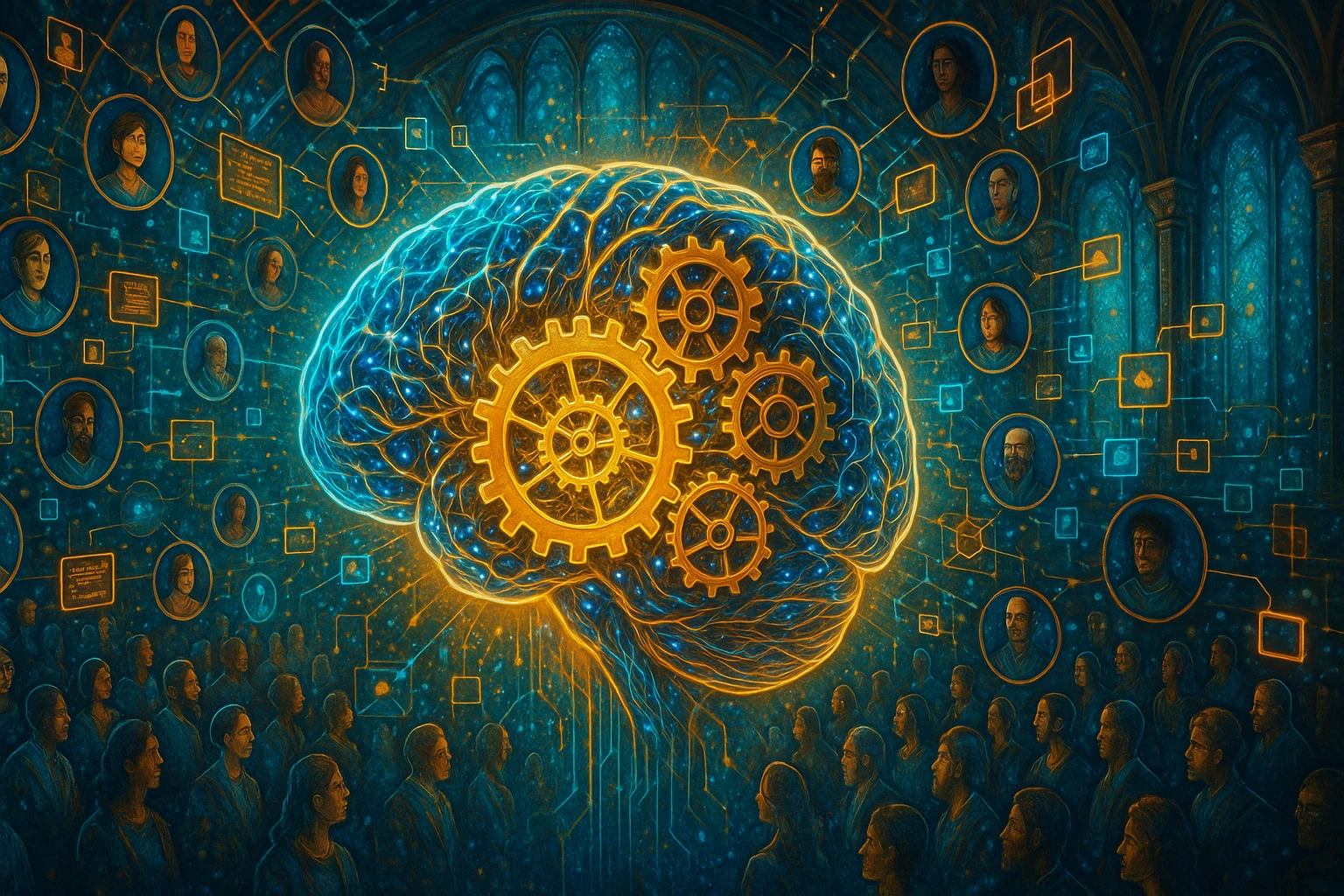
In the mid-1400s, Gutenberg’s printing press shattered the monopoly on written knowledge, sparking a Renaissance of literacy and ideas. Today, decentralized artificial intelligence (DeAI) is triggering a parallel shift—dismantling centralized control over AI and placing the power to build, customize and govern intelligent systems directly into the hands of communities.
Hidden Costs of Centralized AI
Most leading AI platforms operate as closed systems, keeping model weights proprietary and data pipelines hidden behind commercial licenses and APIs. This concentration of control has led to biased decision-making, opaque outcomes and even wrongful arrests in documented cases. In 2025, for example, a major AI developer abandoned its full for-profit model in favor of a public benefit corporation—underscoring how fragile public-interest commitments can be when tied to corporate governance. DeAI architectures, by contrast, embed public benefit into their very design, eliminating dependence on a small set of gatekeepers.
Transforming Communities and Markets
Decentralized AI tools run locally, fine-tune on regional data and adapt to specific constraints without requiring high bandwidth or corporate approval. In India, farmers use voice assistants trained in local dialects to plan crop cycles. In Sierra Leone, teachers deploy AI chatbots via low-data messaging apps for real-time lesson support. In rural Guatemala, midwives leverage AI-powered smartphone apps to monitor fetal health during home visits, improving maternal care where internet access is scarce. Businesses are also embracing DeAI—retailers optimize logistics with small, transaction-trained models, and enterprises customize open-weight systems for internal operations. Market data show decentralized AI applications gaining share rapidly, positioning them to challenge established sectors like DeFi and gaming in Web3.
A New Ideological Divide
Critics of decentralization warn of inconsistency or misinformation, echoing early objections to the printing press. Proponents of centralized AI development, such as safety-focused advocates at leading research firms, argue for tightly controlled progress to ensure responsible AGI. Opposing them are voices from decentralized networks, who caution that centralization risks reinforcing narrow worldviews and stifling global collaboration. This ideological split shapes incentives, risk models and access: centralized systems prioritize uniformity and strict oversight, while decentralized frameworks enable intelligence to evolve organically across diverse cultures, industries and use cases.
Reviving the Ethos of the Original Renaissance
The next phase of AI will be defined by who participates in its creation. As intelligence tools move into public hands, they become more durable, adaptable and representative. Developers are shifting from closed APIs to open-source frameworks, public institutions are investing in sovereign compute infrastructure, and community-built models are emerging in regions beyond the reach of Big Tech. Just as the first Renaissance expanded who could read, this new movement will expand who can think, compute and build—everywhere.