
Europe's Stablecoin Adoption Fails to Challenge USD
Europe's Stablecoin Adoption Fails to Challenge USD Dominance
European Stablecoin Market Shows Strong Growth Despite Currency Preference Issues
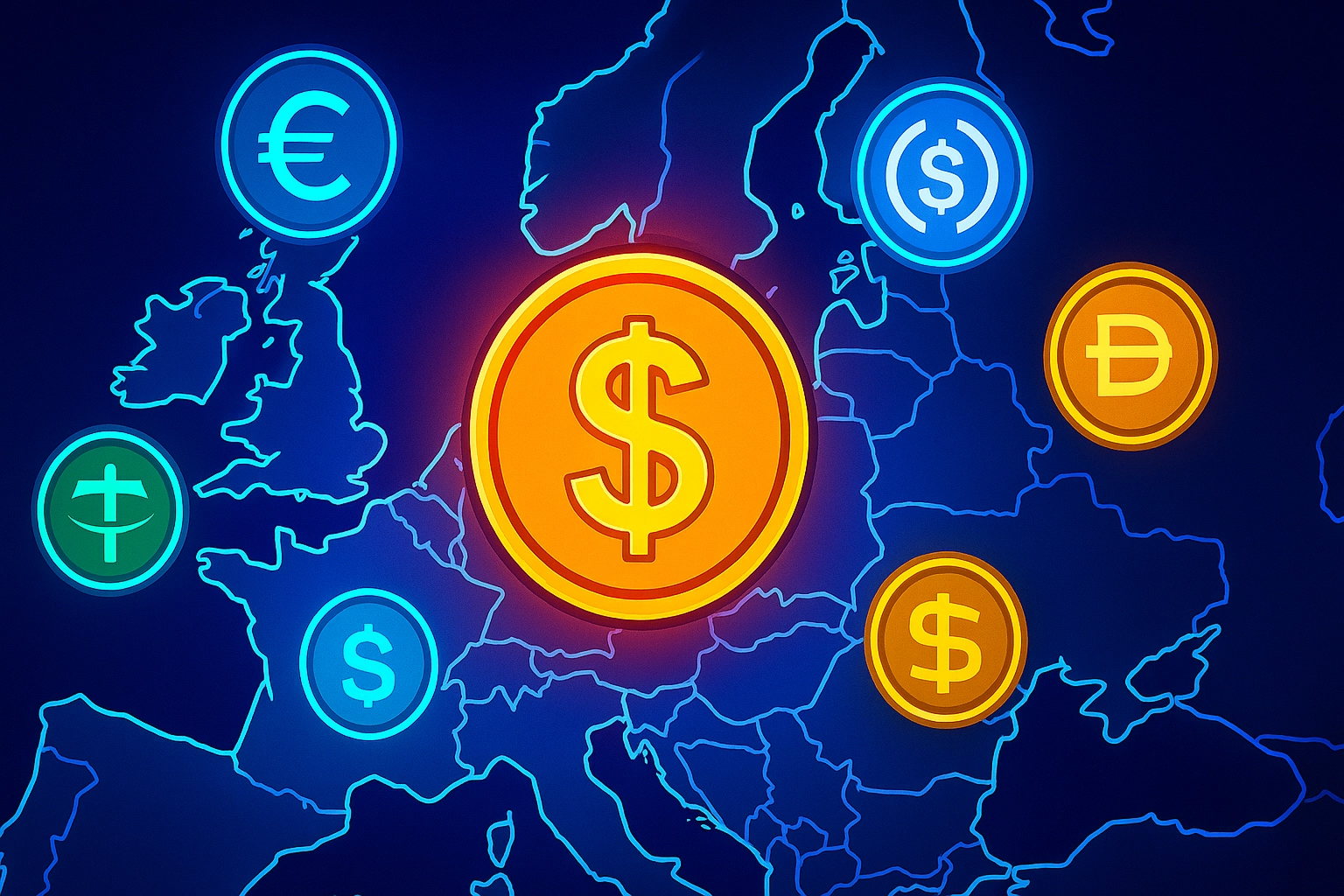
Stablecoin adoption across Europe has accelerated dramatically, now matching levels seen in the United States. However, the region faces a significant challenge as users predominantly choose USD-backed stablecoins over euro alternatives, potentially undermining European monetary sovereignty.
Recent data from Crypto Rank reveals that European Union stablecoin transactions surged to 34% market share in 2025, representing a substantial increase from just 16% the previous year. North American transactions also grew by 42% during the same period, highlighting the global expansion of stablecoin usage.
Despite this growth, 99.8% of total stablecoin supply remains USD-based, creating concerns among European leaders about the region's digital financial independence.
The Stablecoin Paradox Facing Europe
Alexander Hoeptner, CEO of AllUnity, Germany's first euro-backed stablecoin issuer, emphasizes the importance of increasing demand for euro-backed stablecoins to prevent the decline of the euro's role in digital finance.
The widespread preference for USD-backed stablecoins stems from the dollar's established dominance in global markets, offering users proven stability and liquidity. However, this reliance on US-based assets creates dependency on American regulatory frameworks, potentially compromising European financial autonomy.
"The current US administration poses a risk of uncertainty to the stability of the US monetary system and the regulatory framework of the digital economy," Hoeptner explains. "Widespread usage could form a negative dependence that could be exploited against EU interests."
MiCA Regulation Creates New Opportunities for Euro Stablecoins
The implementation of the Markets in Crypto-Assets (MiCA) regulatory framework in December 2024 has transformed the European stablecoin landscape. Before MiCA, European users had limited incentives to adopt euro-backed stablecoins due to regulatory uncertainty.
MiCA provides a structured regulatory environment that makes euro-backed stablecoins more attractive to European users. The framework offers clearer guidelines and consumer protections while reducing regulatory risks associated with USD-backed alternatives.
However, challenges remain in creating unified European monetary policy for stablecoins, as the EU lacks a single central financial authority comparable to the US Federal Reserve.
Benefits of Euro-Backed Stablecoins for European Markets
Euro-backed stablecoins offer several advantages for European users and businesses:
Reduced Currency Risk: Users can transact digitally without exposure to USD fluctuations, maintaining value stability in their native currency environment.
Enhanced Cross-Border Trade: Euro stablecoins serve as efficient bridge currencies for international transactions, streamlining business operations across European borders.
Regulatory Compliance: Operating within the MiCA framework provides users with greater regulatory certainty compared to USD-backed alternatives.
Digital Identity Security: Euro stablecoins help maintain European digital financial identity without dependence on foreign regulatory systems.
Traditional Financial Institutions Face Adaptation Challenges
Established financial institutions often resist adopting new technologies, particularly when it involves departure from traditional banking infrastructure. The integration of euro-backed stablecoins represents a significant shift from legacy systems that these institutions have developed over decades.
Hoeptner warns that institutional resistance poses the greatest risk to European financial sovereignty: "The fear of adoption of the old establishment is the biggest risk which essentially could be of great harm when instead of tackling the risks of digitization, rejection leads to an ultimate dependence on a non-European solution."
Complementary Role with Digital Euro Development
Euro-backed stablecoins could work alongside the official digital euro currently under development by the European Central Bank. While the digital euro would provide government-backed security and stability, private euro stablecoins offer greater flexibility and programmability.
This complementary approach would create a comprehensive digital currency ecosystem where:
Official digital euros ensure regulatory oversight and stability
Private euro stablecoins enable smart contracts and decentralized finance integration
Both systems reduce dependence on foreign currency solutions
Future Outlook for European Stablecoin Adoption
The MiCA regulatory framework opens new possibilities for euro-backed stablecoin growth in Europe. As adoption increases, these digital assets could significantly reduce European reliance on USD-based alternatives while strengthening the euro's position in digital finance.
Success in this transition requires:
Unified Policy Approach: Greater coordination among European financial authorities to create consistent stablecoin policies across member states.
Institutional Support: Traditional financial institutions must embrace digital currency integration rather than resist technological change.
User Education: European consumers and businesses need better understanding of euro stablecoin benefits compared to USD alternatives.
Technical Infrastructure: Robust payment systems and integration capabilities to support widespread euro stablecoin adoption.
Strategic Implications for European Financial Sovereignty
The current dominance of USD-backed stablecoins in Europe presents both immediate challenges and long-term opportunities. While users continue preferring dollar-denominated digital assets, the MiCA framework creates conditions for euro stablecoin growth.
European policymakers must balance innovation support with monetary sovereignty protection. The success of euro-backed stablecoins depends on creating user incentives that overcome the network effects and liquidity advantages of established USD alternatives.
Moving forward, the integration of euro-backed stablecoins alongside official digital euro development could strengthen Europe's financial independence while maintaining competitiveness in global digital markets. This strategic approach would reduce external currency dependence while providing European users with comprehensive digital payment solutions.