
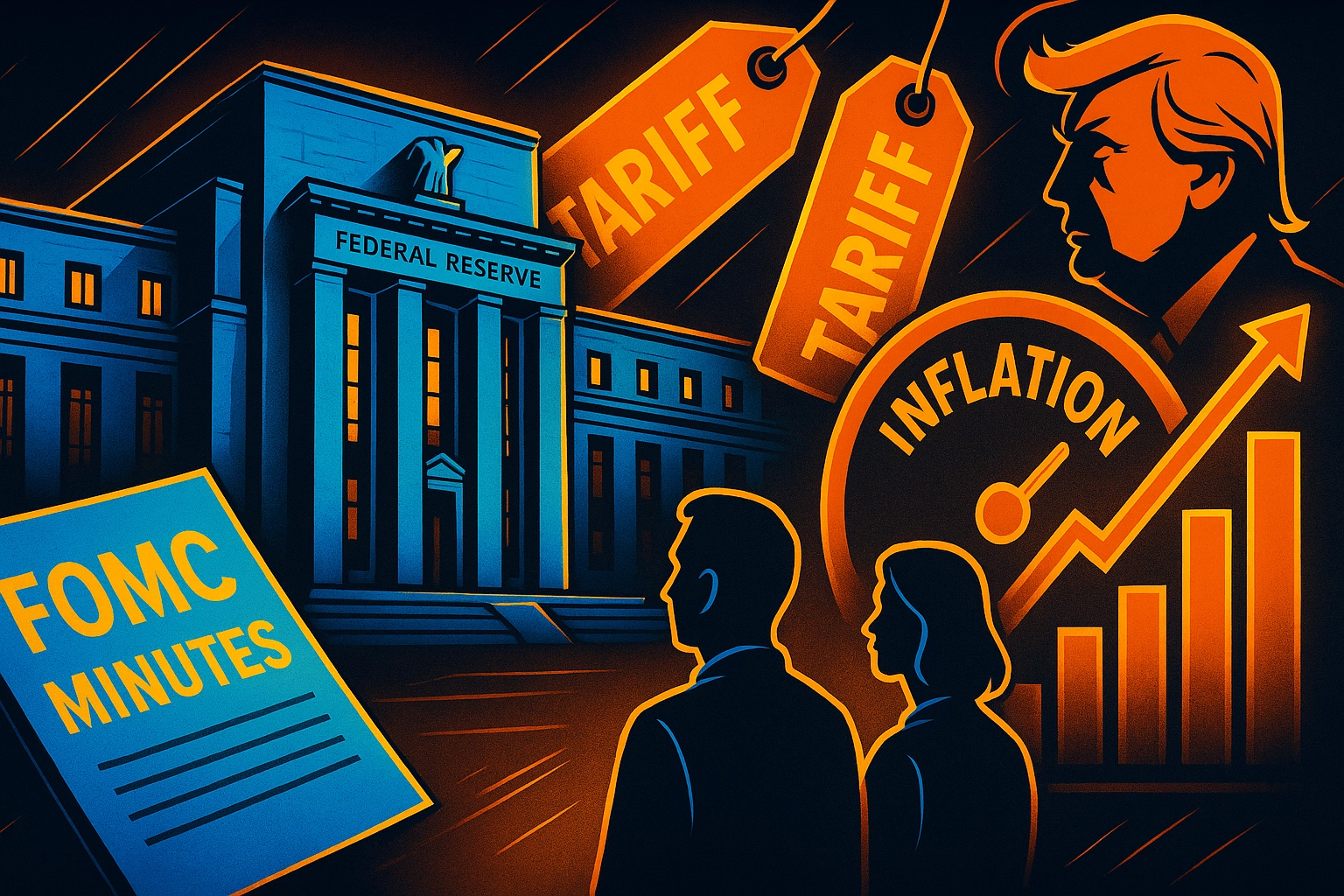
Fed Minutes Show Trump Tariff Inflation Concerns Rise
Federal Reserve Minutes Reveal Growing Inflation Concerns Over Trump Tariffs
The Federal Reserve's latest FOMC meeting minutes expose mounting concerns about inflationary pressures from Trump administration tariffs, significantly dampening expectations for interest rate cuts in the coming months.
Key Takeaways From FOMC Minutes
The recently released Federal Open Market Committee minutes highlight three critical developments:
Federal Reserve officials express heightened apprehension about Trump tariff policies
Strengthening job market data reduces optimism for July rate cuts
Trade policy uncertainties create new challenges for monetary policy decisions
Fed Officials Warn of Tariff-Driven Inflation
The FOMC minutes reveal a cautious Federal Reserve stance as global trade tensions intensify. According to the official document, Fed participants acknowledge that recent inflation metrics have fallen below expectations in recent months. However, they specifically note that Trump tariffs are "likely to put upward pressure on prices," necessitating a more careful approach to interest rate policy.
Federal Reserve officials remain uncertain about the timeline for tariff-induced inflation to materialize. The minutes indicate that participants believe successful trade deal negotiations could potentially limit the inflationary effects of current tariff policies.
Recent Tariff Developments Impact Market Expectations
President Trump recently imposed new tariffs on multiple countries, including Iraq, Algeria, and Sri Lanka, through official trade letters. These latest tariff actions contribute to reduced enthusiasm for rate cuts at upcoming FOMC meetings.
The new trade restrictions arrive as economic data shows continued strength in the US job market, further complicating the Federal Reserve's decision-making process regarding monetary policy adjustments.
Market Odds Reflect Diminished Rate Cut Expectations
Current market data reveals dramatically shifted expectations for Federal Reserve policy:
Probability of maintaining current interest rates (425-450 basis points): 93.3%
Chances of rate cuts below current levels: 6.7% (down from 23% last week)
These odds reflect the combined impact of strong employment data and ongoing trade policy uncertainties on Federal Reserve decision-making.
Trump Administration Pushes for Aggressive Rate Cuts
Despite growing inflationary concerns, President Trump continues advocating for substantial interest rate reductions. The administration argues for a 300-basis-point rate cut, with Trump claiming that Federal Reserve Chair Jerome Powell's cautious approach costs the United States significant refinancing expenses.
Trump has defended his tariff policies by citing a Council of Economic Advisers study suggesting tariffs have minimal impact on inflation, contrary to Federal Reserve concerns expressed in the FOMC minutes.
Economic Implications of Fed Policy Uncertainty
The Federal Reserve's cautious stance reflects broader economic uncertainties created by evolving trade policies. Officials must balance multiple factors when considering monetary policy adjustments:
Domestic inflation pressures from tariff policies
Strong labor market performance
Global trade tension impacts
Long-term economic growth considerations
Looking Ahead: Fed Policy Direction
The FOMC minutes suggest Federal Reserve officials will closely monitor economic indicators before making significant policy changes. Key factors influencing future decisions include:
Trade negotiation outcomes and their impact on tariff policies
Employment data trends and wage growth patterns
Consumer price inflation development
International economic conditions
The Federal Reserve's measured approach indicates that any interest rate adjustments will depend heavily on how trade policies evolve and their actual impact on inflation metrics rather than projected effects.
As trade tensions continue developing, Federal Reserve officials emphasize the importance of data-driven decision-making while maintaining flexibility to respond to changing economic conditions.