
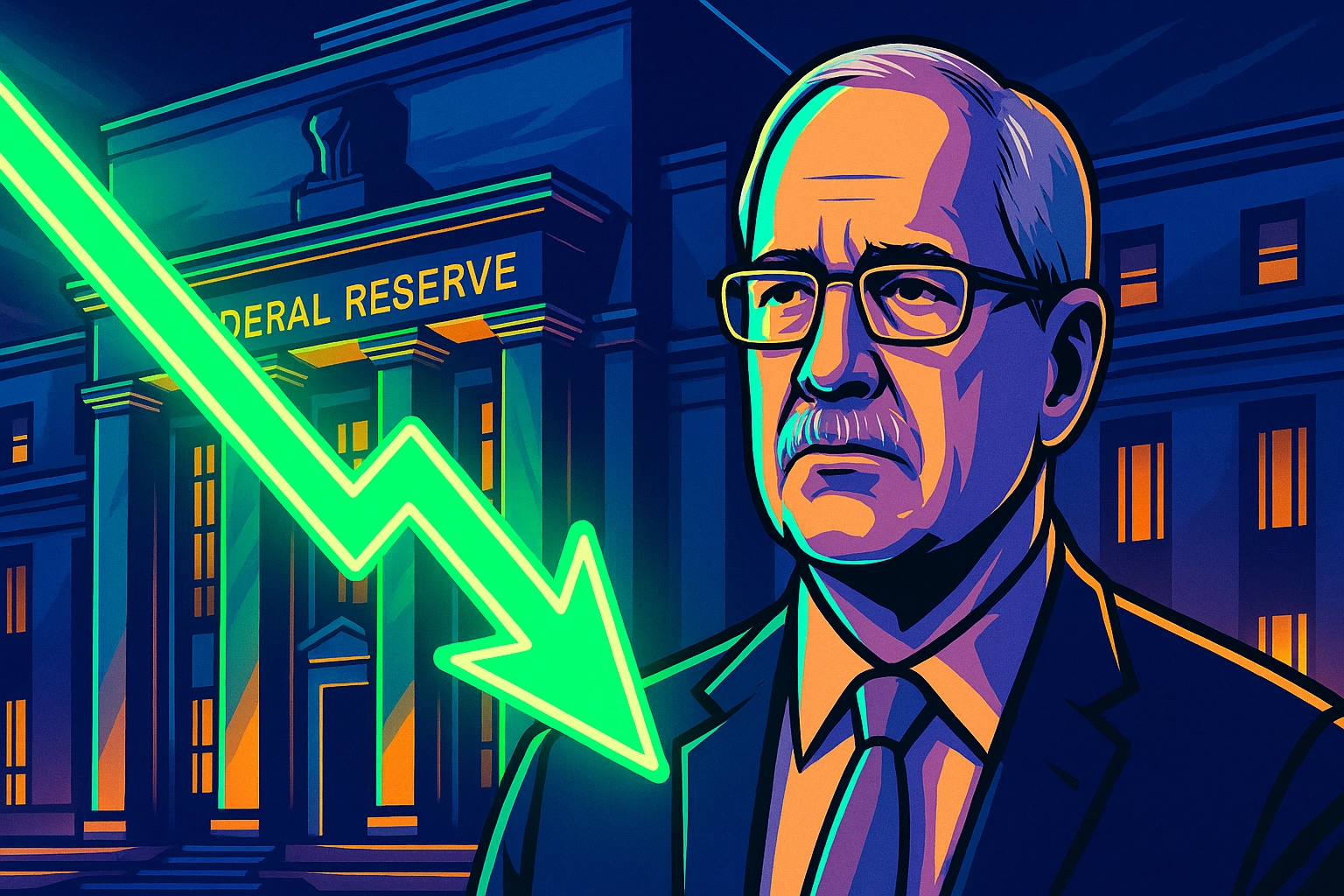
Fed Rate Cut July 2025: Waller Pushes Despite Powell
Fed Governor Waller Advocates for July Interest Rate Cut Despite Powell's Resistance
Federal Reserve Governor Christopher Waller has publicly stated that the Federal Open Market Committee should consider cutting interest rates in July 2025, contradicting Fed Chair Jerome Powell's cautious wait-and-see approach. This development comes amid mounting pressure from President Donald Trump for aggressive rate cuts.
Waller Challenges Fed's Current Monetary Policy Stance
Speaking at a Federal Reserve Bank of Dallas event, Waller emphasized that the Fed's current monetary policy is "too tight" and argued for considering an interest rate reduction this month. He specifically noted that the current policy rate remains restrictive despite improving economic conditions.
The Fed Governor's position directly contrasts with the recently released July FOMC minutes, which revealed committee members' concerns about potential inflation impacts from Trump administration tariffs. However, Waller argued that the central bank should look beyond temporary tariff-related price increases when making monetary policy decisions.
Trump Administration Pressures Fed for Aggressive Rate Cuts
President Trump has intensified calls for substantial Federal Reserve action, recently advocating for a 300 basis points rate cut. The president argues that current market strength, evidenced by Bitcoin and stock market all-time highs, justifies rapid rate reductions.
Trump has criticized the absence of inflationary pressures as justification for immediate rate cuts, putting additional pressure on Fed leadership. The president has even suggested Fed Chair Powell should resign due to his reluctance to implement aggressive rate reductions.
Market Sentiment and July Rate Cut Probability
Despite Waller's advocacy, financial markets remain skeptical about July rate cut prospects. Current market data indicates a 95% chance that the Federal Reserve will maintain unchanged interest rates at the July 30 FOMC meeting.
CME FedWatch data supports this sentiment, showing a 93.3% probability that rates will remain steady. This market pessimism largely stems from strong June employment data, which demonstrated robust labor market conditions that typically don't warrant emergency rate cuts.
Economic Context Behind Rate Cut Debate
The rate cut discussion occurs against a backdrop of complex economic indicators. While Waller argues that inflation no longer poses a significant threat, FOMC members remain cautious about potential tariff impacts on price stability.
Strong employment figures released earlier this month have reinforced the Fed's position that the economy doesn't require immediate monetary stimulus. The solid labor market performance has effectively reduced market expectations for aggressive rate cuts.
Waller's Consistent Position on Monetary Policy
This isn't Waller's first public advocacy for July rate cuts. Following the June FOMC meeting, he previously stated that rate reductions could occur as early as this month, citing improved inflation trends and economic stability.
The Fed Governor has consistently maintained that current economic conditions support looser monetary policy, positioning himself as a more dovish voice within the Federal Reserve system.
Powell's Leadership Under Scrutiny
Fed Chair Jerome Powell continues defending the current wait-and-see approach, emphasizing economic stability and the need to assess tariff impacts on inflation. His cautious stance has drawn criticism from both the Trump administration and some Fed colleagues.
Interestingly, Waller has emerged as a potential candidate to replace Powell, though prediction markets currently assign only a 6% probability to this scenario.
Market Implications of Fed Policy Uncertainty
The ongoing debate between Fed officials creates uncertainty for financial markets, particularly affecting interest rate-sensitive sectors. Bitcoin and traditional equity markets have responded to rate cut speculation, with both asset classes reaching new all-time highs.
The disconnect between political pressure for rate cuts and market expectations for policy stability highlights the complex challenges facing Federal Reserve decision-making in 2025.