
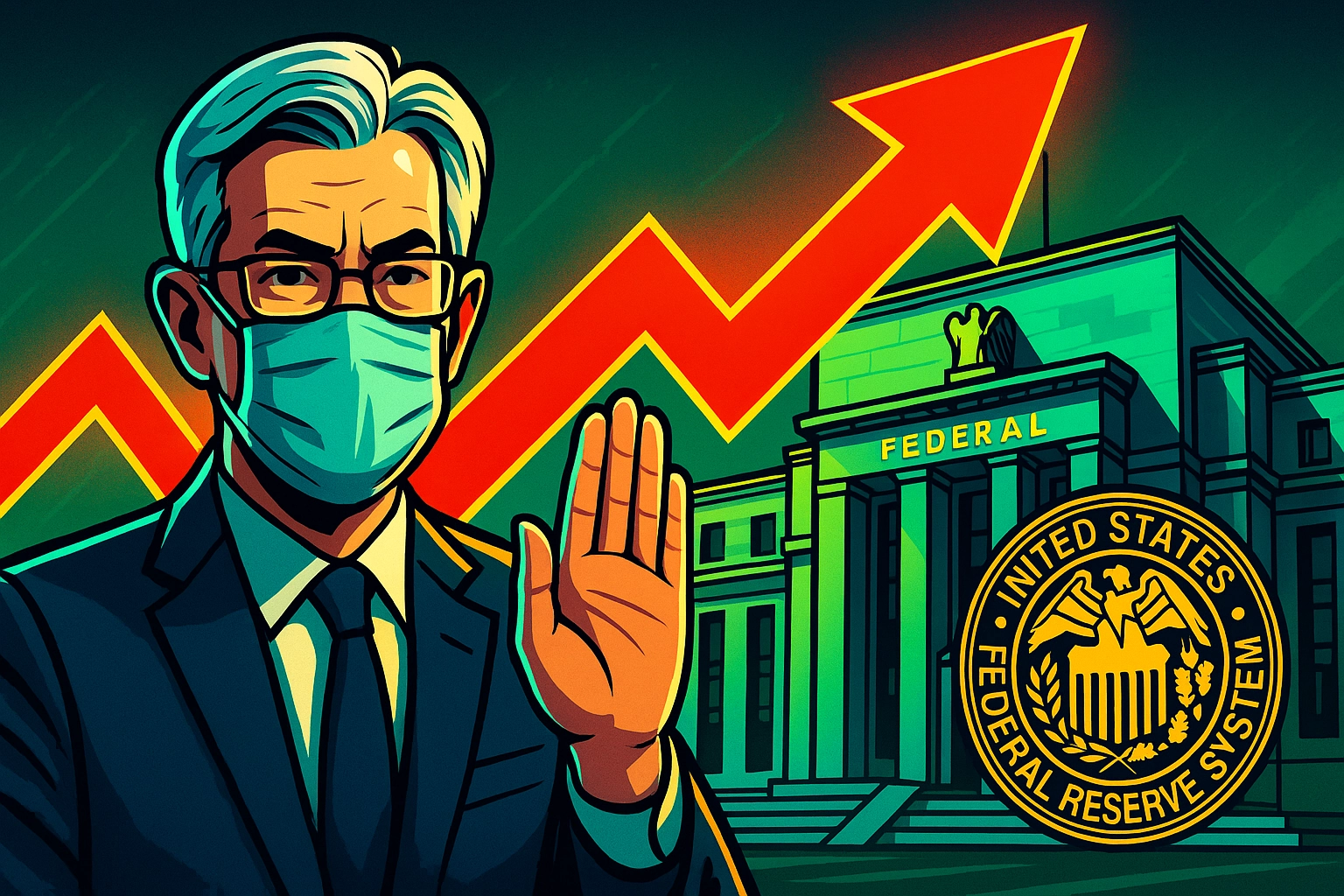
Fed Rate Cut Unlikely as Hammack Warns of High Inflation
Fed Rate Cut Unlikely as Cleveland Fed President Warns of Persistent Inflation
Federal Reserve Bank of Cleveland President Beth Hammack has raised significant concerns about inflation levels, stating they remain too high to justify an interest rate cut. Her cautious stance comes as US President Donald Trump continues pushing for aggressive monetary policy changes.
Hammack Emphasizes Need for Clearer Inflation Progress
In a recent Fox Business interview, Hammack stressed the importance of thoroughly assessing how new economic policies impact inflation before supporting any quantitative easing measures. Her comments signal strong resistance to rate cuts at the upcoming July 30 Federal Open Market Committee meeting.
The Cleveland Fed president made clear that inflation control remains the central bank's primary objective. She expressed concerns that premature rate cuts could undermine recent progress on price stability, emphasizing a data-driven approach to monetary policy decisions.
Hammack's cautious stance aligns with Federal Reserve Chair Jerome Powell's position. Powell has consistently advocated for patience in understanding how Trump administration tariffs might affect inflation trends before making policy adjustments.
Market Expectations Shift as Rate Cut Odds Plummet
CME FedWatch data reveals dramatically reduced expectations for a July rate cut. Current market pricing shows only a 4.7% probability of rates being lowered at the July 30 FOMC meeting, while a 95.3% chance exists for rates remaining unchanged.
This represents a significant shift in market sentiment, with investors now anticipating potential rate cuts later in the year rather than immediate action. The data reflects growing acceptance of the Federal Reserve's measured approach to monetary policy.
Conflicting Views Within Fed Leadership
Despite Hammack's cautious approach, Fed Governor Christopher Waller recently suggested the possibility of a July rate cut. Waller argued that current monetary policy may be too restrictive and warrants consideration for adjustment this month.
The differing perspectives within Fed leadership highlight ongoing debates about appropriate timing for policy changes. While some officials see room for accommodation, others prioritize ensuring inflation remains under control before acting.
Presidential Pressure for Aggressive Rate Cuts
President Trump has called for substantial interest rate reductions of at least 300 basis points. The president argues that Federal Reserve delays are causing significant economic losses and hampering growth potential.
This political pressure adds complexity to Fed decision-making, though the central bank maintains its independence in setting monetary policy. The institution continues emphasizing data-driven decisions over political considerations.
Economic Outlook and Policy Implications
Current economic conditions show steady growth, but policymakers remain focused on sustainable inflation improvement. The Federal Reserve seeks convincing evidence of lasting price stability before implementing accommodative measures.
Market participants eager for lower rates must navigate this cautious environment. The central bank's measured approach reflects lessons learned from previous inflation cycles and commitment to long-term economic stability.
Future Rate Cut Prospects
While July rate cuts appear unlikely, market participants monitor economic data for signs of changing Fed sentiment. Key indicators include inflation trends, employment data, and broader economic performance metrics.
The Federal Reserve's patient approach suggests future policy decisions will depend heavily on sustained inflation progress. Market expectations continue adjusting to reflect this reality as investors recalibrate their outlook for monetary policy changes.