
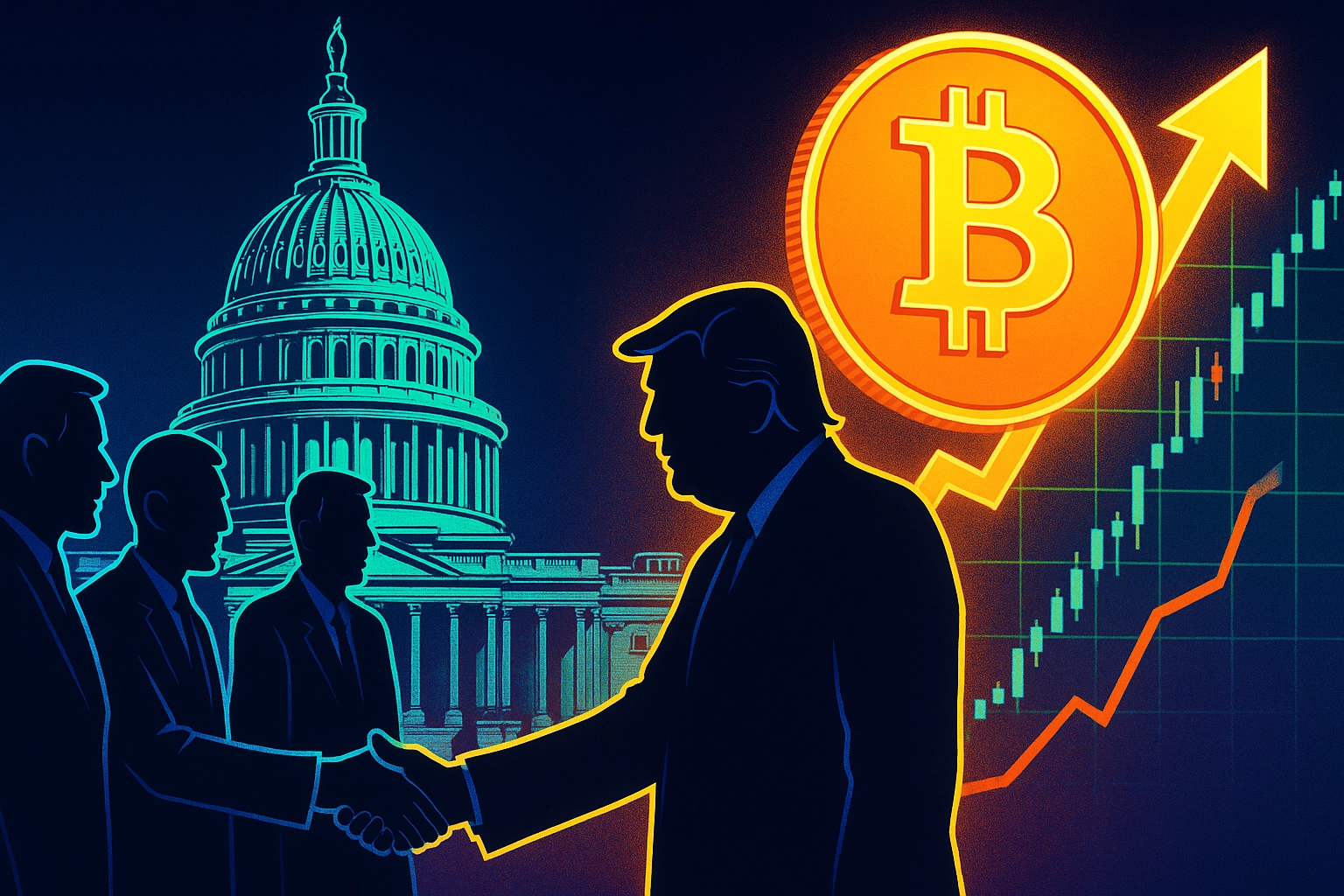
GENIUS Act Revived: Trump Secures Support, Bitcoin Jumps
GENIUS Act Gains Momentum as Trump Secures Lawmaker Support
The GENIUS Act has regained crucial momentum after President Donald Trump successfully secured support from 11 previously opposing House members during an Oval Office meeting. The renewed backing breathes new life into the stalled cryptocurrency legislation that faced unexpected delays in Congress.
Trump Rallies Opposition to Back Crypto Bill
In a strategic move from the Oval Office, Trump met with 11 members of Congress who had previously opposed advancing the GENIUS Act and related crypto measures. Following what Trump described as a "short discussion," the lawmakers agreed to support the bill in an upcoming procedural vote.
The turnaround comes after the House had earlier blocked a key procedural vote with a 196-222 result, stalling the GENIUS Act alongside the CLARITY Act and Anti-CBDC Act. The failed vote reflected internal Republican disagreements, particularly among House Freedom Caucus members who opposed combining crypto legislation with defense appropriations.
What the GENIUS Act Proposes
The GENIUS Act represents the first federal regulatory framework for dollar-pegged stablecoins. The legislation would create legal pathways for private companies to issue digital currency while granting the Treasury Department oversight authority.
The bill previously passed the Senate with a bipartisan 68-30 vote in June, though some Democrats raised concerns over potential connections to Trump's crypto interests. The comprehensive framework addresses long-standing regulatory gaps in the digital asset space.
New Vote Scheduled for July 15
House Majority Leader Steve Scalise confirmed that a new procedural vote is scheduled for approximately 12:20 PM on July 15. If successful, the House could proceed with debate and final passage votes shortly afterward, putting the GENIUS Act back on track toward becoming law.
The renewed legislative push comes during what has been dubbed "Crypto Week," highlighting the increased focus on digital asset regulation in Congress.
Bitcoin Price Response to Legislative Developments
The GENIUS Act's uncertainty briefly impacted cryptocurrency markets. Bitcoin, which had surged to a new all-time high of $123,260 in anticipation of Crypto Week, retreated to $115,735 following the failed vote.
However, prices have since rebounded to around $117,000 as optimism grows over renewed legislative momentum. The market response demonstrates how regulatory clarity continues to influence cryptocurrency valuations.
Ongoing Congressional Divisions
Despite the renewed support, divisions remain within the House. Some lawmakers, including Marjorie Taylor Greene, have criticized the bill for not containing a strict ban on a central bank digital currency (CBDC). Critics warn the legislation could become a "back door" for introducing government-backed digital money.
These concerns highlight the complex political dynamics surrounding cryptocurrency regulation, even as broader support for digital asset frameworks continues to grow.
Implications for Crypto Regulation
The GENIUS Act's revival represents a significant step toward establishing comprehensive cryptocurrency regulation in the United States. The legislation would provide much-needed clarity for businesses operating in the digital asset space while ensuring appropriate government oversight.
Success of the GENIUS Act could pave the way for additional crypto-friendly legislation, potentially positioning the United States as a leader in digital asset regulation. The outcome of the July 15 vote will be closely watched by industry participants and policymakers alike.
Market Outlook
As the procedural vote approaches, cryptocurrency markets remain cautiously optimistic about the GENIUS Act's prospects. The legislation's passage would mark a historic milestone in U.S. crypto regulation, potentially spurring increased institutional adoption and investment in digital assets.
The renewed momentum behind the GENIUS Act demonstrates the growing bipartisan recognition of cryptocurrency's importance to the American economy and the need for clear regulatory frameworks to support innovation while protecting consumers.