
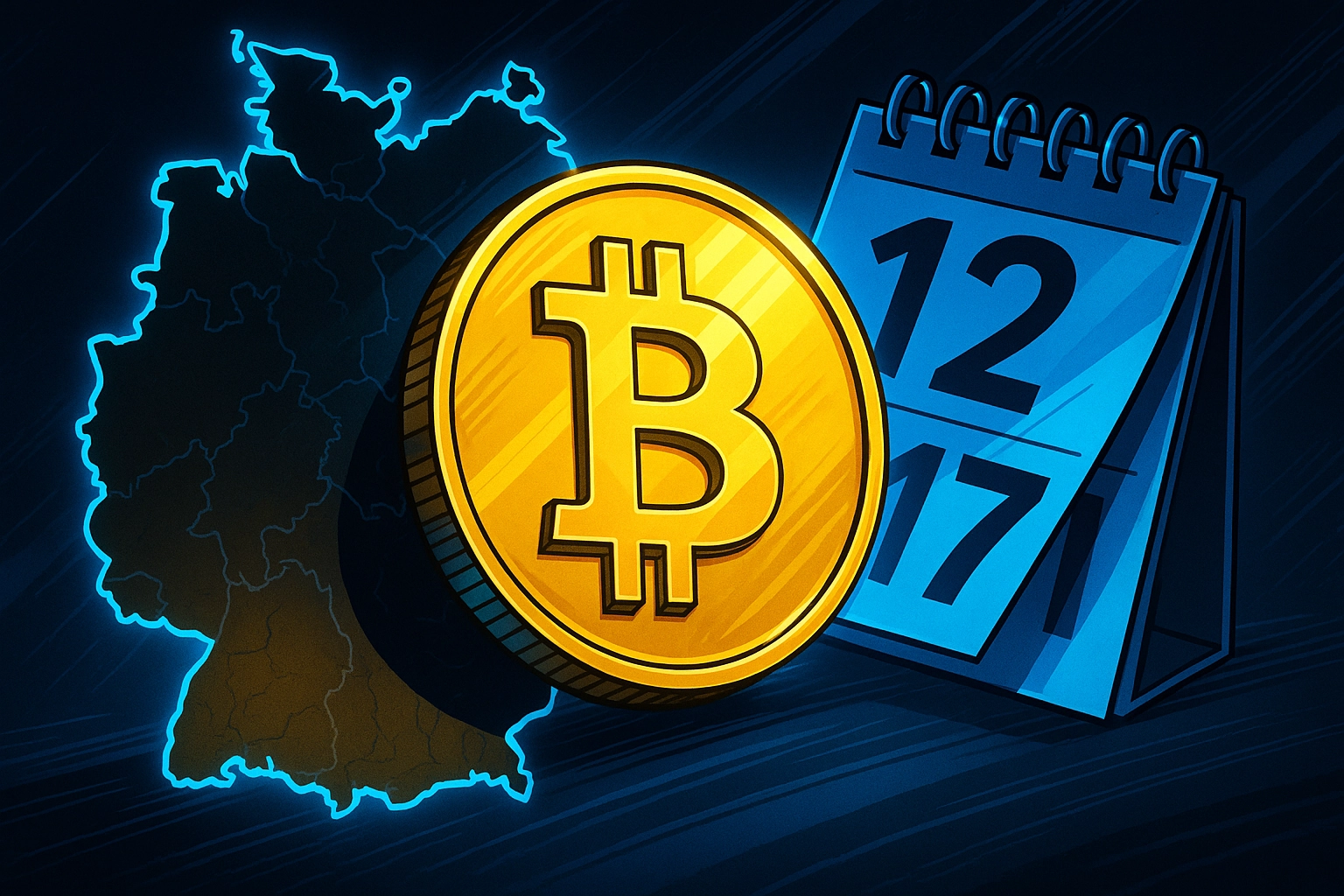
Germany Bitcoin Sale: $3.5B Loss One Year Later
Germany's Bitcoin Sale: A $3.5 Billion Mistake One Year Later
One year ago, the German government made a decision that would cost taxpayers billions. In July 2024, Germany completely liquidated its Bitcoin holdings, selling 50,000 bitcoins for $3.13 billion. Today, those same bitcoins would be worth more than $6.64 billion.
The Costly Decision That Shocked Crypto Markets
Germany's Bitcoin liquidation began after authorities seized 50,000 bitcoins during an anti-piracy operation. Rather than holding these digital assets, the government chose to sell them all throughout July 2024, creating significant market pressure and generating controversy within the cryptocurrency community.
The timing of this decision now appears particularly unfortunate. Bitcoin's price has doubled since Germany's mass liquidation, turning what seemed like a prudent financial move into one of the most costly government decisions in recent memory.
By the Numbers: What Germany Lost
The financial impact of Germany's Bitcoin sale becomes clear when examining the numbers:
Original Sale Value: $3.13 billion in July 2024 Current Value: Over $6.64 billion Total Opportunity Loss: Approximately $3.5 billion
Today, Germany's Bitcoin wallet contains only 0.0069 BTC, accumulated from small anonymous donations. This stark contrast highlights the magnitude of the missed opportunity.
Germany's Crypto-Friendly Stance Makes Sale More Puzzling
What makes Germany's Bitcoin liquidation even more perplexing is the country's generally positive stance toward cryptocurrency. Germany currently issues more MiCA licenses than any other European Union member state, demonstrating active support for the local crypto industry.
This regulatory support suggests that Germany's decision to sell wasn't driven by anti-crypto sentiment, making the massive liquidation appear as an unforced error rather than a policy-driven choice.
Global Government Bitcoin Holdings: Winners and Losers
Germany wasn't alone in divesting from Bitcoin during 2024. Several governments made similar decisions with varying results:
Countries That Sold Bitcoin
Germany: Complete liquidation of 50,000 BTC
United States: Partial liquidation under President Biden
Ukraine: Complete liquidation of holdings
Countries That Accumulated Bitcoin
El Salvador: Continued strategic accumulation
Bhutan: Built reserves exceeding $1 billion in value
Countries That Held Steady
China: Maintained existing positions
United Kingdom: No major acquisitions or disposals
Overall, state-owned Bitcoin reserves dropped by 12% in 2024, largely due to the liquidations by Germany, the United States, and Ukraine.
The Trump Factor: How Biden's Sales Influenced US Bitcoin Policy
The United States' partial Bitcoin liquidation under President Biden had unexpected political consequences. These sales became a campaign issue and motivated President Trump's push for a strategic Bitcoin reserve during his successful 2024 presidential campaign.
This policy shift demonstrates how government cryptocurrency decisions can have far-reaching political implications beyond their immediate financial impact.
Lessons for Future Government Bitcoin Holdings
Germany's experience offers several important lessons for governments worldwide:
Consider Market Timing
Even governments determined to liquidate Bitcoin holdings should consider market timing. A few months of delay could have saved Germany billions in opportunity costs.
Evaluate Long-Term Value
Bitcoin's price performance since Germany's sale demonstrates the potential value of holding cryptocurrency assets longer-term, even for risk-averse government entities.
Assess Policy Consistency
Germany's crypto-friendly regulatory stance contradicts its decision to quickly liquidate Bitcoin holdings, suggesting the need for more consistent policy approaches.
The HODL Strategy: What Germany Could Have Gained
Bitcoin advocates frequently promote the "HODL" strategy - holding Bitcoin for extended periods rather than selling during market fluctuations. If Germany had followed this approach, the financial benefits would have been substantial.
The German economy could have netted billions more in value, with potential for even greater returns in the future. This missed opportunity serves as a cautionary tale for other governments facing similar decisions.
Impact on Bitcoin Markets
Germany's systematic Bitcoin liquidation created significant market pressure during summer 2024. The government's methodical selling approach influenced Bitcoin's price action and trading patterns throughout the liquidation period.
However, Bitcoin's subsequent recovery and new all-time highs demonstrate the market's resilience and long-term growth potential, despite temporary selling pressure from large holders.
Future Implications for Government Crypto Policy
Germany's costly Bitcoin sale may influence how other governments approach cryptocurrency holdings in the future. The clear financial opportunity cost provides a compelling case study for policy makers worldwide.
As more governments encounter seized or acquired Bitcoin holdings, Germany's experience suggests that hasty liquidation may not serve taxpayers' best interests, even when political pressure exists to convert crypto assets to traditional currency.
Conclusion
Germany's decision to sell 50,000 bitcoins for $3.13 billion in July 2024 represents a significant missed opportunity. With those same bitcoins now worth over $6.64 billion, the government's choice cost taxpayers approximately $3.5 billion in potential value.
This case study demonstrates the importance of strategic thinking when governments handle cryptocurrency assets. Even politically motivated decisions to liquidate digital assets should consider market timing and long-term value potential.
As Bitcoin continues to gain mainstream acceptance and institutional adoption, Germany's experience serves as a valuable lesson for governments worldwide facing similar decisions about cryptocurrency holdings.