
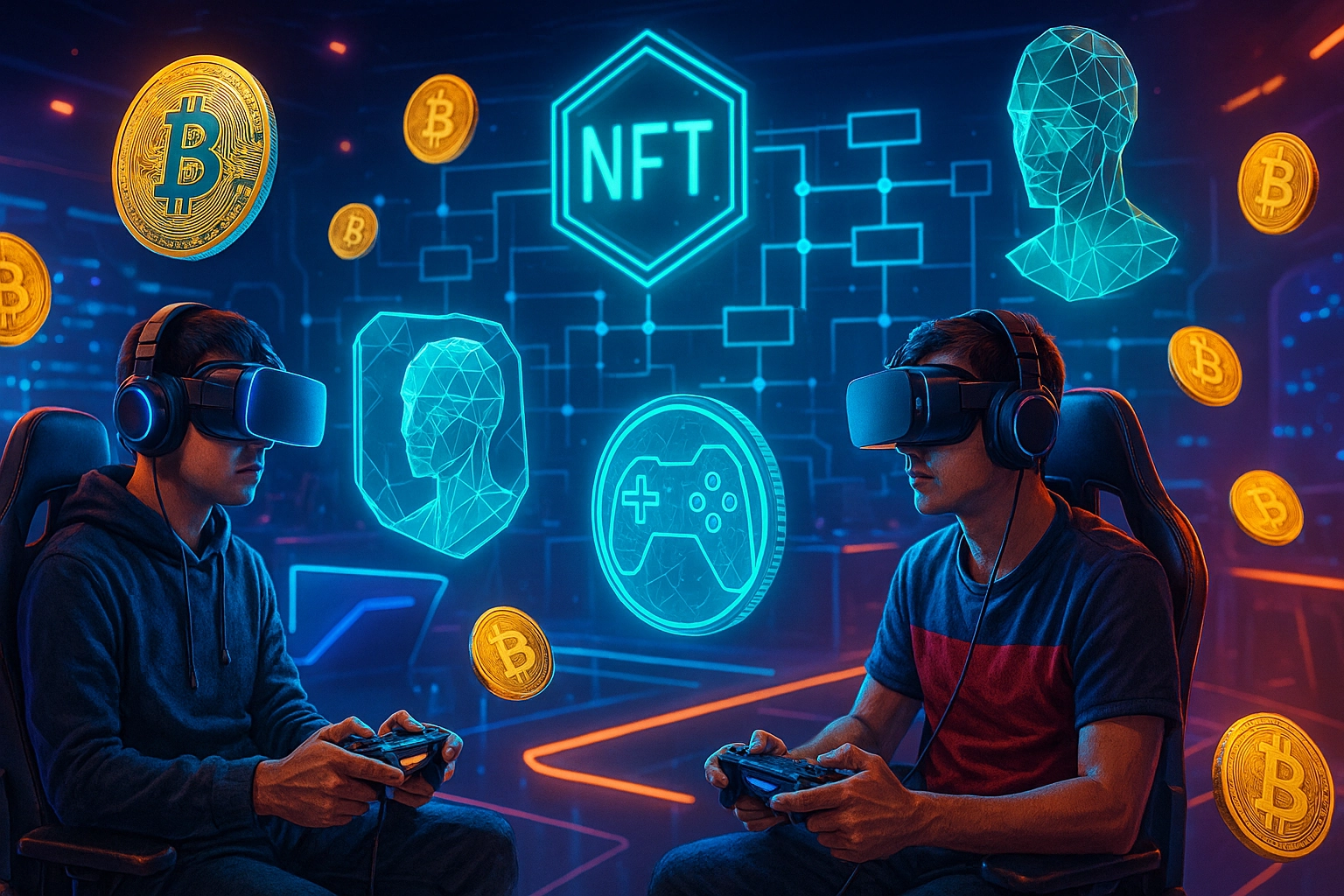
How Tokenization Is Transforming Esports and Gaming
How Tokenization Is Transforming Esports and Gaming
The convergence of blockchain technology and esports is creating unprecedented opportunities for players, teams, and fans. Tokenization is fundamentally changing how we interact with digital gaming assets, moving beyond traditional in-game purchases to create true ownership and economic value.
What Is Esports Tokenization
Tokenization converts rights to real or virtual assets into digital tokens on a blockchain. By placing in-game assets, like weapons or avatars, on the blockchain, players gain true ownership, with the ability to trade and even earn from gameplay. This revolutionary approach transforms gaming from a purely entertainment medium into a legitimate economic ecosystem.
Esports tokenization converts players and fans from passive participants into stakeholders through fan tokens and governance features. This shift represents a fundamental change in the traditional gaming model, where players previously had no ownership rights over their digital investments.
The Power of NFTs in Gaming
In-game items like skins, weapons, and avatars can be turned into tradable NFTs, giving players true ownership of digital assets. Unlike conventional gaming models where items remain locked within specific games, tokenized assets can be traded across platforms and potentially retain value beyond the game's lifecycle.
These tokens represent ownership of unique virtual items, such as weapons, skins, characters, or even virtual land. This ownership model creates new revenue streams for players who can monetize their gaming achievements and rare item acquisitions.
Blockchain's Impact on Gaming Transparency
Blockchain makes games more transparent, fair, and accessible. Moreover, it lets people profit from their skills or purchases and allows eSports teams to coordinate and grow. The decentralized nature of blockchain technology eliminates concerns about centralized control over digital assets and provides verifiable ownership records.
Blockchain fixes this problem by tokenizing in-game items through NFTs, giving true ownership to players. This solution addresses long-standing issues in traditional gaming where players could lose access to their purchases if servers shut down or accounts are compromised.
Fan Engagement Through Tokenization
Through the use of gaming tokenization, fans will be able to share ownership of their preferred esports team. Even a little share already gives a particular status. Additionally, each investor will have the chance to take advantage of the team's winnings. This fan token model creates deeper engagement and financial alignment between supporters and teams.
Blockchain is the next upgrade to fan loyalty and engagement platforms. Digital memorabilia on a blockchain can be verified publicly by anyone. This helps the most loyal fans show off their dedication. Verified digital collectibles provide authentic proof of fandom and create new forms of social status within gaming communities.
Economic Opportunities for Esports Teams
Blockchain technology can bring the gaming industry to an exceptional level for esports teams where they can begin new funding initiatives, including tokenized-merchandise sales, facilitating community-backed sponsorships, and even tokenized contracts. These innovative funding mechanisms open new revenue streams beyond traditional sponsorships and prize money.
Teams can now create tokenized merchandise, offer governance tokens to fans, and develop community-driven sponsorship models that provide more sustainable funding structures. This democratization of esports financing allows smaller teams to compete more effectively with established organizations.
Market Growth and Adoption
Gaming and esports have emerged as a rapidly growing area of consumer interest, especially among millennials and generation z users. Blockchain-based games can be programmed with tokenized digital assets. The demographic alignment between crypto adoption and gaming audiences creates a natural market for tokenized gaming assets.
These digital assets can be traded within a game or externally on the public market. Cross-platform trading capabilities increase asset liquidity and create more robust secondary markets for gaming items.
Future Implications for the Gaming Industry
The tokenization revolution in esports represents more than just a technological upgrade – it's a fundamental shift toward player empowerment and economic participation. As blockchain infrastructure continues to mature, we can expect to see more sophisticated tokenization models that blur the lines between gaming, investing, and digital ownership.
The integration of tokenization in esports is creating new career paths, investment opportunities, and community engagement models. Players can now build lasting value from their gaming activities, while fans can financially participate in their favorite teams' success. This transformation is setting the stage for a more inclusive and economically vibrant gaming ecosystem.
Conclusion
Tokenization is not just changing esports – it's revolutionizing the entire concept of digital ownership in gaming. As blockchain technology becomes more accessible and user-friendly, we can expect widespread adoption of tokenized gaming models that benefit players, teams, and fans alike. The future of esports lies in this intersection of entertainment, technology, and economics, creating unprecedented opportunities for all stakeholders in the gaming ecosystem.
For more Crypto, Web3, Blockchain & AI news visit : www.metamoonmedia.com