
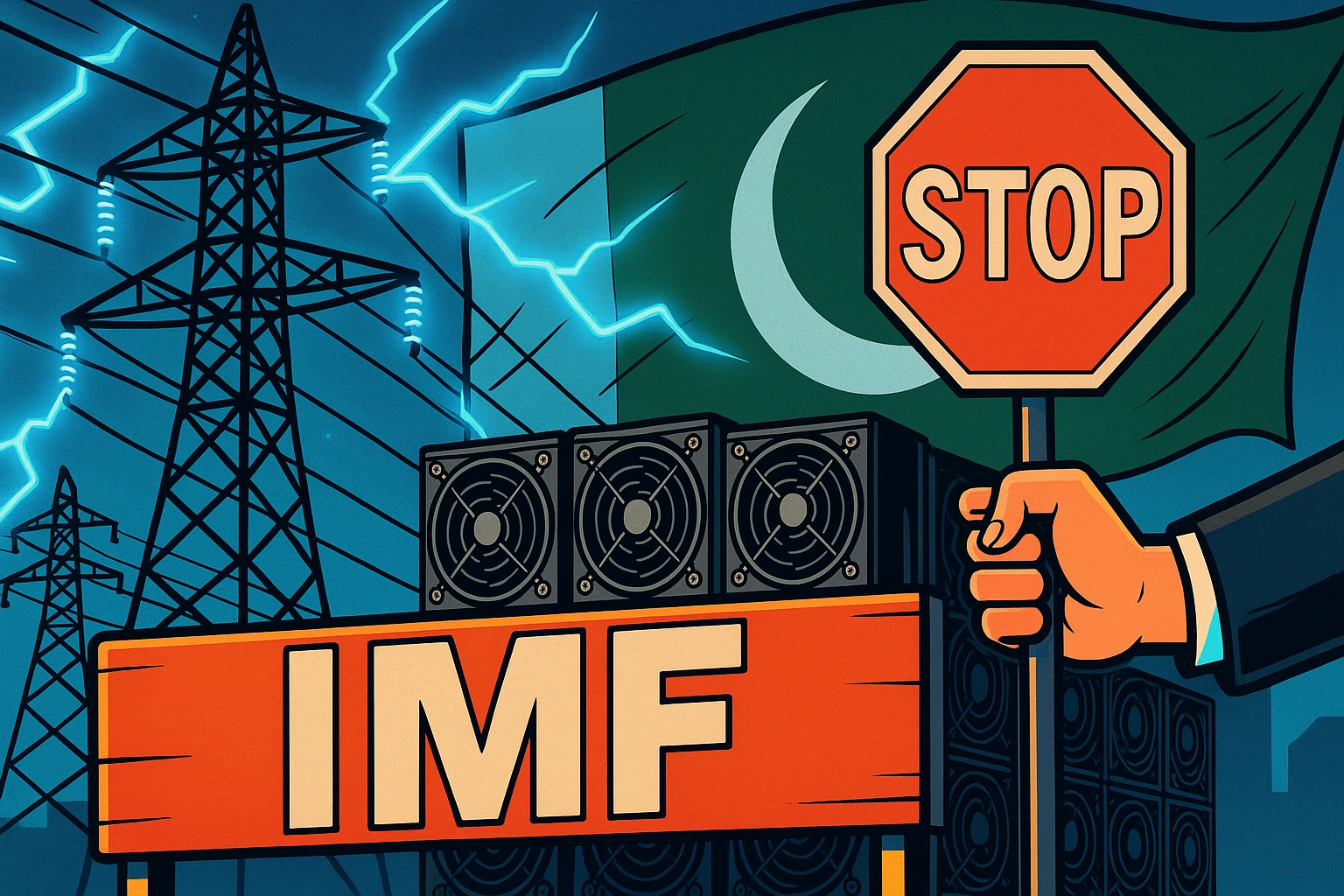
IMF Blocks Pakistan Bitcoin Mining Electricity Subsidies
IMF Rejects Pakistan's Bitcoin Mining Electricity Subsidy Plan
Key Points
The International Monetary Fund has raised significant concerns over Pakistan's Bitcoin mining initiatives. The fund firmly opposes Pakistan's proposal to use subsidized electricity for Bitcoin mining operations. The proposal is currently under review by the World Bank and other international financial institutions.
IMF Opposition to Crypto Mining Subsidies
Pakistan's ambitious Bitcoin reserve plans have encountered a major setback as the IMF rejected the proposal for subsidized electricity tariffs for cryptocurrency mining. Dr. Fakhray Alam Irfan, Secretary of Power, stated that the IMF remains firmly against targeted subsidies, despite Pakistan having surplus electricity during winter months.
According to local reports, Pakistan's Bitcoin mining plan has hit a roadblock with the IMF raising concerns over the country's proposal to offer discounted electricity to cryptocurrency miners. The IMF's opposition to targeted subsidies for crypto mining remains unwavering, forcing the plan to undergo review by the World Bank and other international lenders.
Pakistan's 2,000 MW Bitcoin Mining Allocation
As part of Pakistan's Bitcoin reserve strategy, the country planned to allocate 2,000 megawatts of electricity from the state grid to cryptocurrency mining and artificial intelligence data centers. The Pakistan Crypto Council, a government-backed organization, leads this initiative aimed at boosting technology employment, attracting foreign investment, and utilizing excess electricity capacity.
The government emphasized Pakistan's strategic positioning, stating that the country is uniquely positioned both geographically and economically to become a global hub for data centers. As a digital bridge between Asia, Europe, and the Middle East, Pakistan offers the most strategic location worldwide for data flow and digital infrastructure.
IMF Scrutiny Over Pakistan's Crypto Initiatives
The IMF previously expressed concerns about Pakistan's cryptocurrency initiatives, particularly its Bitcoin Reserve plans. Bilal Bin Saqib, Head of the Pakistan Crypto Council, has been vocal about the country's cryptocurrency initiatives and underlying motivations.
In a historic announcement, Saqib declared that the Pakistani government is establishing its own government-led Bitcoin Strategic Reserve, expressing gratitude to the United States for inspiration in this endeavor.
Impact on Pakistan's Crypto Regulatory Framework
Pakistan has been actively creating a crypto-friendly environment, particularly following US President Trump's pro-crypto stance. The country launched the Pakistan Digital Assets Authority to ensure cryptocurrency regulatory compliance.
In June 2025, Pakistan's government released cryptocurrency regulations to pave the way for a national bitcoin reserve amid rising speculation of IMF scrutiny. These regulations were designed to establish clear guidelines for cryptocurrency operations within the country.
Previous IMF Warnings and Concerns
Last month, the IMF expressed reservations about Pakistan's plan to allocate power for Bitcoin mining, citing concerns over legal implications and potential strain on the power grid. The IMF warned about the potential impact on resource distribution and subsequent effects on power tariffs.
The international financial institution also noted that Pakistan had not consulted with them before announcing the cryptocurrency mining initiative, raising questions about coordination and oversight.
Power Sector Challenges and Debt Issues
Senators expressed concerns over the recent Rs 1.275 trillion circular debt settlement with banks, with lawmakers alleging coercion in the process. However, Dr. Fakhray Alam Irfan denied these claims, stating that no new levies were imposed during the settlement.
The Secretary highlighted the success of the Apna Meter Apni Reading app, which has been downloaded by over 500,000 consumers to curb overbilling practices. The service is set to be extended to K-Electric soon, expanding its reach to more consumers.
Future Implications for Pakistan's Bitcoin Strategy
This setback raises questions about Pakistan's broader Bitcoin reserve plans and cryptocurrency adoption strategy. The country's ambition to become a regional cryptocurrency hub faces significant challenges from international financial institutions' oversight.
The rejection of subsidized electricity for Bitcoin mining may force Pakistan to reconsider its approach to cryptocurrency mining and explore alternative strategies for supporting the sector. The ongoing review by the World Bank and other lenders will likely determine the future direction of Pakistan's crypto initiatives.
Conclusion
The IMF's rejection of Pakistan's Bitcoin mining electricity subsidy plan represents a significant obstacle to the country's cryptocurrency ambitions. While Pakistan continues to develop its regulatory framework and pursue Bitcoin reserve plans, international financial oversight remains a critical factor in shaping the country's crypto strategy.
The outcome of the World Bank review and other international lenders' assessments will be crucial in determining whether Pakistan can proceed with its cryptocurrency mining initiatives under different terms or will need to substantially modify its approach to align with international financial standards.