
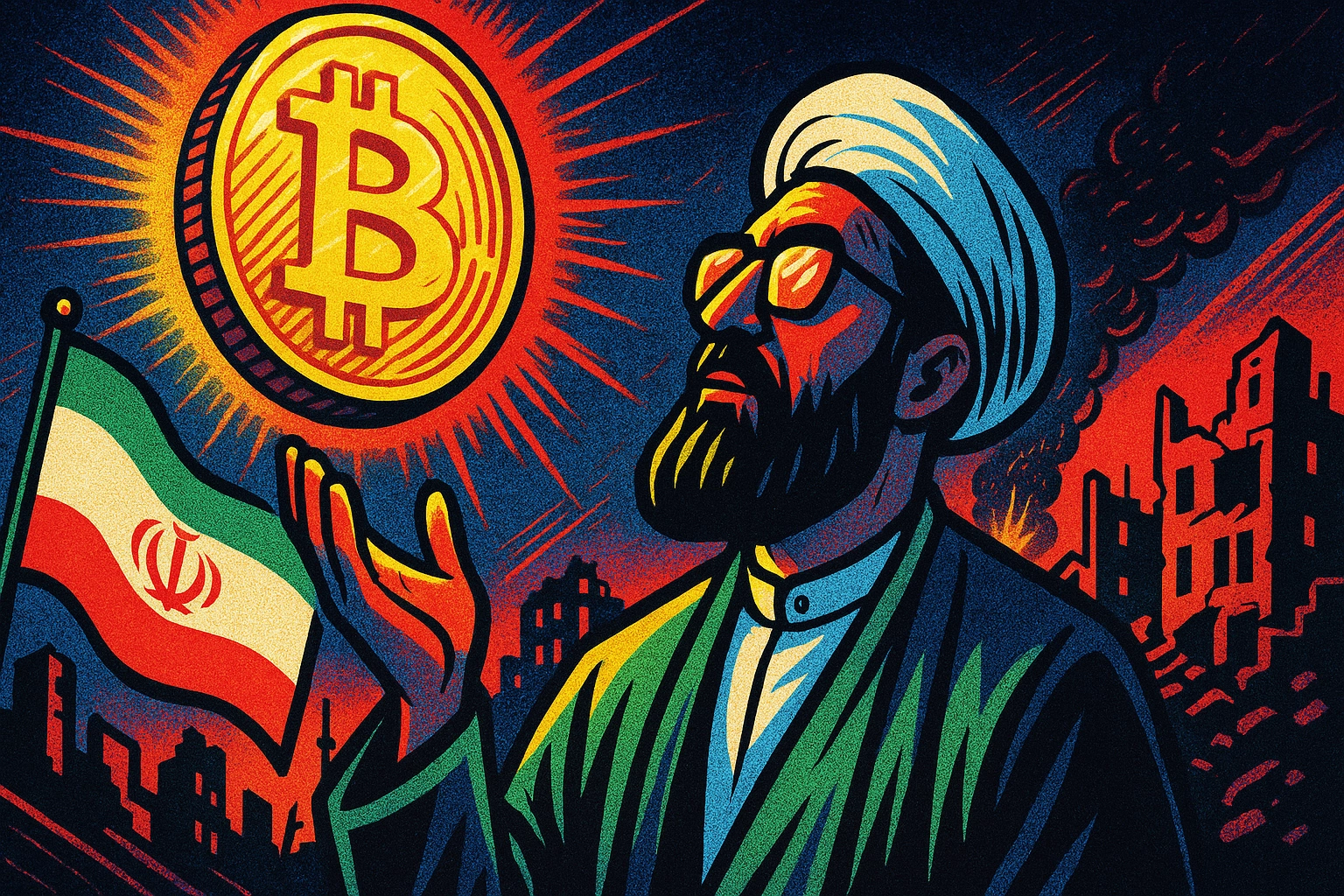
Iran Crypto Flows Drop 11% Amid Israel Conflict & Nobitex
Iran Cryptocurrency Flows Decline 11% Following Israel Conflict and Major Exchange Hack
Iranian cryptocurrency trading platforms experienced a significant downturn in 2025, with flows dropping 11% to $3.7 billion between January and July compared to the previous year. The decline stems from multiple factors including geopolitical tensions, security breaches, and regulatory challenges.
Key Factors Behind Iran's Crypto Market Decline
Israel Conflict Impact on Trading Volumes
The cryptocurrency market in Iran faced its steepest decline during June and July 2025, coinciding with a 12-day conflict with Israel that began on June 13. This period saw widespread disruption to the country's digital asset ecosystem, with trading volumes falling dramatically during the height of tensions.
Nobitex Exchange Security Breach Shakes Market Confidence
Iran's largest cryptocurrency exchange, Nobitex, suffered a devastating $90 million hack on June 18, 2025. The attack, carried out by the pro-Israel group Predatory Sparrow, targeted the platform that handles 87% of Iran's cryptocurrency transactions.
The security breach had far-reaching consequences:
Disrupted liquidity across the Iranian crypto market
Slowed transaction processing times significantly
Temporarily drove users to alternative trading platforms
Undermined confidence in Iranian virtual asset service providers
Widespread Power Outages Hamper Trading Activity
Iran experienced extensive power outages during the conflict period, driven by a combination of Israeli cyber operations and regime-initiated shutdowns. These disruptions severely impacted cryptocurrency trading infrastructure and user access to digital asset platforms.
Stablecoin Market Disruption and User Migration
Tether Implements Largest-Ever Iranian Asset Freeze
On July 2, 2025, stablecoin issuer Tether executed its most significant freeze of Iranian-linked funds to date, blacklisting 42 cryptocurrency addresses containing USDT balances. This action created immediate ripple effects throughout Iran's crypto ecosystem.
Coordinated Response from Iranian Crypto Community
The Tether blacklisting prompted a coordinated response from:
Iranian cryptocurrency exchanges
Digital asset influencers
State-backed media channels
These entities encouraged users to liquidate their TRON-based USDT holdings and migrate funds to Dai on the Polygon network, highlighting the Iranian crypto community's adaptability in the face of regulatory pressure.
Iran's Strategic Use of Cryptocurrency
Sanctions Evasion Through Digital Assets
Despite the market downturn, Iran continues leveraging cryptocurrency for strategic purposes. The country uses digital assets to purchase sensitive goods from Chinese chip resellers, including:
Artificial intelligence hardware components
Drone manufacturing equipment
Critical electrical components
Espionage and Intelligence Operations
Iranian authorities have also utilized cryptocurrency to facilitate espionage payments with foreign operatives, demonstrating the government's sophisticated understanding of digital asset capabilities for covert operations.
Market Volatility and Capital Flight
Surge in Cryptocurrency Outflows
During the worst week of the crisis, cryptocurrency outflows from Iran surged more than 150%. A significant portion of these funds flowed to high-risk foreign exchanges with minimal Know Your Customer verification requirements, indicating users' desperation to preserve their digital assets.
Inflation Hedge Demand Remains Strong
Despite market challenges, many Iranian citizens continue using cryptocurrency as a hedge against the country's skyrocketing inflation rates. Stablecoins particularly serve as a store of value amid economic uncertainty and international sanctions that have largely isolated Iran from the global financial system.
Illicit Activity Remains Minimal
While Iran faces scrutiny over its cryptocurrency usage, illicit transactions account for less than 1% of the country's total digital asset volume, according to TRM Labs analysis. This low percentage suggests that most Iranian cryptocurrency activity serves legitimate economic purposes rather than criminal enterprises.
Market Outlook and Recovery Prospects
The Iranian cryptocurrency market's recovery depends on several factors:
Resolution of geopolitical tensions with Israel
Restoration of confidence in domestic exchanges
Stabilization of the country's power infrastructure
Adaptation to international regulatory pressures
The resilience shown by Iranian cryptocurrency users in migrating between platforms and tokens suggests the market may recover as conditions stabilize, though ongoing sanctions and geopolitical uncertainty continue to pose significant challenges.
For more Crypto, Web3, Blockchain & AI news visit : www.metamoonmedia.com