
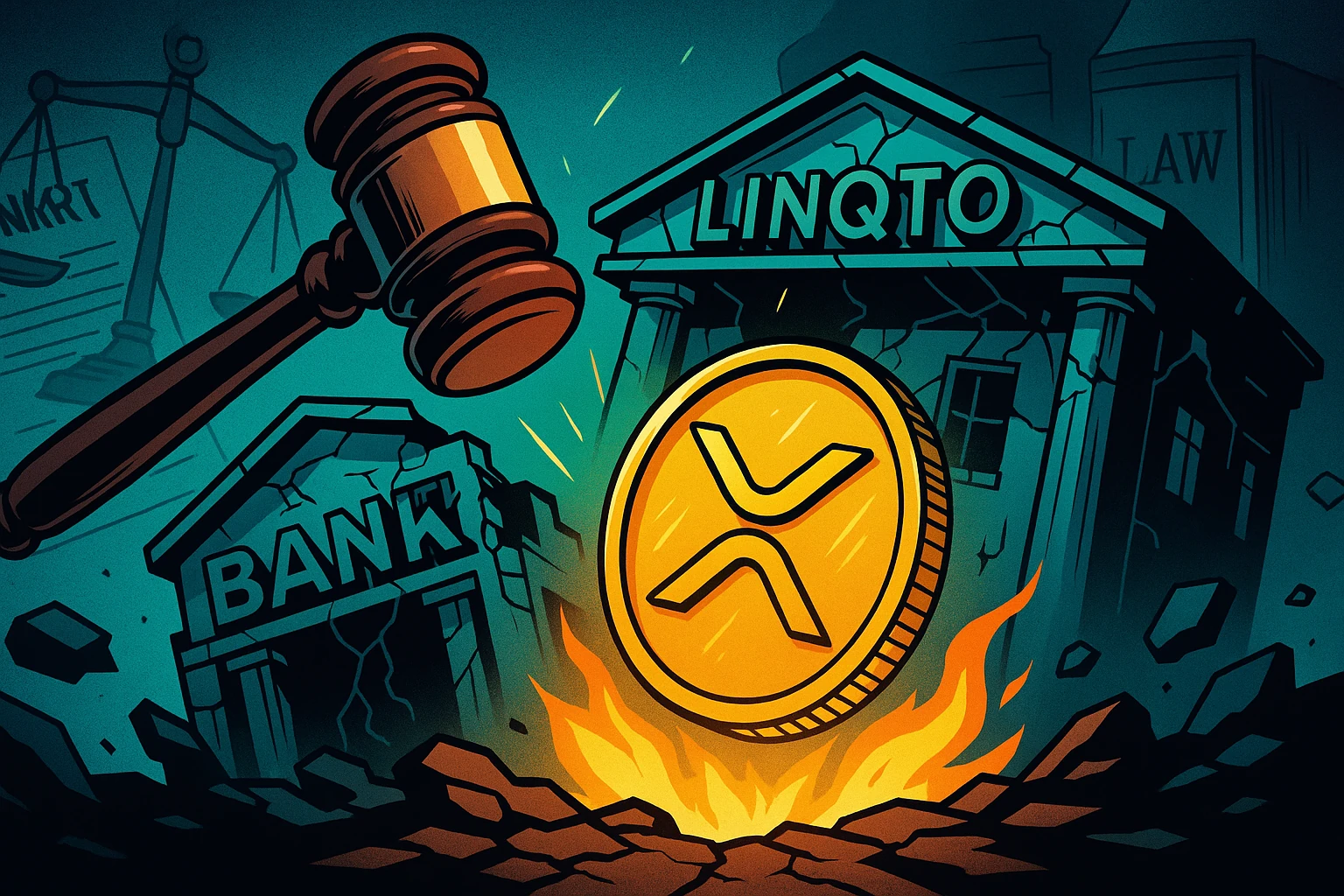
Linqto Bankruptcy: XRP Lawyer Says Full Recovery Possible
Linqto Bankruptcy: XRP Lawyer Predicts Full Customer Recovery
Customers Take Priority in Linqto Bankruptcy Proceedings
XRP lawyer John Deaton has shared an optimistic outlook regarding the Linqto bankruptcy case, suggesting that customers may achieve full recovery or significant returns. According to Deaton, customers hold priority over equity shareholders in the bankruptcy proceedings, potentially leading to favorable outcomes for affected investors.
Key Highlights of Linqto Bankruptcy Case
The bankruptcy proceedings reveal several critical factors that work in favor of customers:
No creditors stand in line before Linqto customers
Customer investments take priority over equity shareholders
Shares in invested companies like Circle, Ripple, and SpaceX are properly accounted for
11,500 Ripple SPV unit holders will be prioritized in court proceedings
Deaton emphasized his commitment to protecting customers from financial losses, stating that customers should receive more than their initial investment values. He noted that some investors have their life savings on the platform and expressed determination to prevent customer losses.
Transparency in Bankruptcy Proceedings
The bankruptcy process will bring complete transparency to Linqto's operations. All internal communications, emails to third parties, and marketing-related correspondence will become public record. This transparency will reveal the full extent of investments and knowledge among various stakeholders.
Six individuals, including three former employees and three influencers, have claimed substantial investments on the platform. These individuals reportedly were unaware of the securities law violations and malpractices occurring within the company.
Background of Linqto's Financial Troubles
Linqto, a San Francisco-based investment platform, faces bankruptcy due to allegations of illegal business practices and securities law violations. The company allowed customers to purchase shares in privately held crypto companies like Ripple and Circle through pre-IPO investments.
Former CEO William Sarris allegedly sold Ripple shares at a 60% markup without customer knowledge, generating approximately $2 million in profit. However, Ripple CEO Brad Garlinghouse clarified that Linqto acquired 4.7 million Ripple shares from existing shareholders in the secondary market, not directly from Ripple.
Regulatory Investigations and Compliance Issues
The Securities and Exchange Commission and the US Department of Justice are currently investigating Linqto's business practices. The investigations focus on potential securities law violations and unauthorized trading activities that occurred under the previous leadership.
Ripple executives have clarified that their company maintains no formal business relationship with Linqto and did not directly sell shares to the platform. CTO David Schwartz explained that investors don't own shares directly but hold portions of legal entities that own the shares.
Controversial Refund Strategy Raises Concerns
John Deaton previously raised alarms about Linqto's proposed refund strategy, which would only return original investment amounts rather than current market values. This approach has sparked investor outrage, particularly among those who invested in assets that have significantly appreciated.
The refund strategy poses serious concerns for investors whose assets have gained substantial value. For example, Deaton highlighted his personal experience where a $30,000 investment in Circle grew to $157,000, illustrating the potential losses investors might face under the proposed refund structure.
Investor Rights and Protection Measures
The Linqto bankruptcy case has raised important questions about investor rights and protections in the cryptocurrency investment space. The situation highlights the need for clearer regulatory frameworks and stronger investor safeguards in the emerging digital asset sector.
Customers who invested in high-performing assets like Ripple and Circle shares are particularly concerned about receiving only their original investment amounts rather than current market values. This scenario underscores the importance of understanding investment structures and ownership rights in private market investments.
Future Outlook for Linqto Customers
Despite the challenging circumstances, legal experts suggest that customers may have stronger positions than initially expected. The priority status of customers over equity shareholders in bankruptcy proceedings provides a foundation for potential recovery.
The transparency requirements of the bankruptcy process will ensure that all stakeholders understand the full scope of investments and decision-making processes. This transparency may help customers recover their investments and potentially achieve returns that reflect the actual appreciation of their holdings.
Implications for Cryptocurrency Investment Platforms
The Linqto bankruptcy case serves as a cautionary tale for cryptocurrency investment platforms and their customers. It emphasizes the importance of regulatory compliance, transparent operations, and clear communication with investors about ownership structures and risks.
The case also highlights the need for proper due diligence when investing through intermediary platforms that facilitate access to private market investments. Investors should understand the legal structures governing their investments and the potential risks associated with platform-mediated investing.
Conclusion
While the Linqto bankruptcy proceedings present challenges for affected customers, the priority status of customer claims and the transparency of the legal process offer hope for recovery. XRP lawyer John Deaton's optimistic outlook suggests that customers may achieve full recovery or significant returns, marking a positive development in an otherwise difficult situation.
The case continues to evolve as regulatory investigations proceed and bankruptcy proceedings advance. Customers and industry observers will closely monitor developments to understand the final outcomes and implications for the broader cryptocurrency investment landscape.