
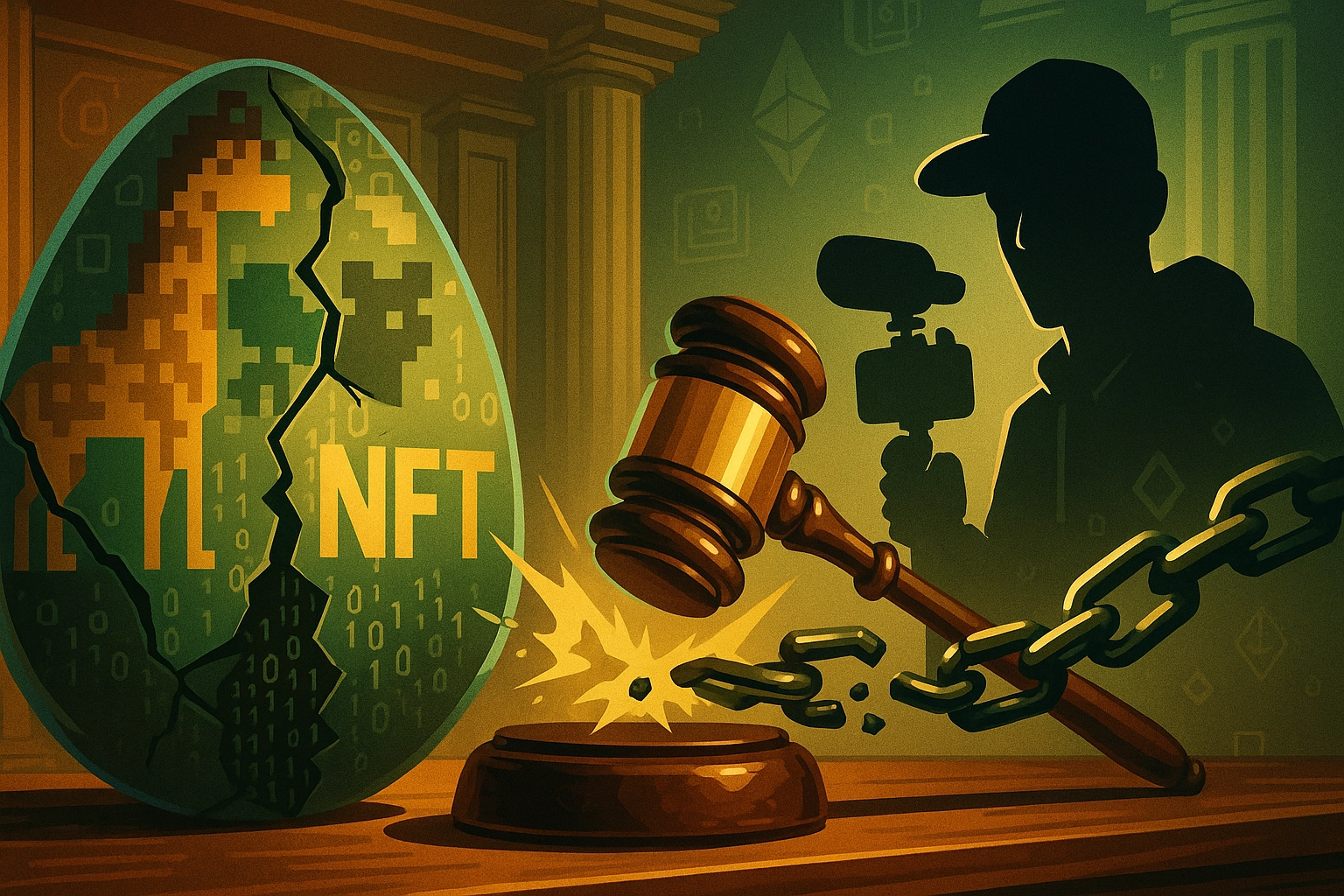
Logan Paul Wins CryptoZoo Lawsuit Dismissal from Judge
Logan Paul Secures Victory in CryptoZoo NFT Lawsuit Dismissal
A Texas federal judge has recommended dismissing a class-action lawsuit against YouTuber Logan Paul over his failed CryptoZoo NFT project, marking a significant legal victory for the social media influencer.
Judge Recommends Lawsuit Dismissal Against Logan Paul
Magistrate Judge Ronald Griffin advised an Austin federal court on Thursday that the class-action group failed to sufficiently connect Logan Paul to their financial losses from the CryptoZoo project. The recommendation could result in a federal judge dropping the entire lawsuit unless the plaintiffs update their claims.
The class-action group consists of CryptoZoo buyers who initially sued Paul and other project associates in February 2023, alleging the venture was a "rug pull" that promised benefits that never materialized.
Court Allows Amendment to Most Claims
Despite recommending dismissal, Judge Griffin stated that the group should be permitted to amend 26 of their 27 claims against Paul. However, one specific allegation of commodity pool fraud should be permanently dismissed, according to the judge's ruling.
Commodity Pool Fraud Claim Rejected
Judge Griffin described the commodity pool fraud allegation as requiring "mental gymnastics" in his 75-page report. The class-action group argued that CryptoZoo NFTs functioned as option contracts because they began as "eggs" that would "hatch" into animals, which could then breed with others to create hybrid animals for trading.
The judge wrote that the mental gymnastics required to reach this conclusion were "truly dizzying," adding that plaintiffs failed to explain how purchasing CryptoZoo NFTs created option contracts or contracts for future delivery.
Insufficient Evidence Linking Paul to Claims
Judge Griffin determined that the lawsuit failed to properly connect Logan Paul to the 26 other claims, noting insufficient evidence that he directly and personally benefited from CryptoZoo's collapse. The lawsuit included allegations of fraud, unjust enrichment, negligence, breach of contract, fraud conspiracy, and violations of consumer protection laws across multiple states.
The judge criticized the complaint for providing "only fragments of facts accompanied by vague attributions of conduct" and attempting to "jam together two pieces of different puzzles" without legal support.
Background of CryptoZoo Legal Battle
The class-action group sued Paul alongside CryptoZoo co-founders Eduardo Ibanez and Jake Greenbaum in 2021. In January 2024, Paul alleged that the duo defrauded him, causing CryptoZoo's collapse. However, Judge Griffin previously urged the court to reject Paul's attempt to shift blame to the co-founders.
Logan Paul's Refund Program
In January 2023, Paul announced plans to address CryptoZoo issues and allocated $2.3 million for buyer refunds in 2024. The refund program required claimants to agree not to pursue legal action over the project in exchange for receiving 0.1 Ether, the original purchase price of CryptoZoo NFTs in 2021.
What This Means for NFT Investors
This legal development highlights the challenges investors face when seeking compensation from failed NFT projects. The case demonstrates the difficulty in establishing direct liability for influencers promoting cryptocurrency ventures, particularly when legal connections between promoters and project outcomes remain unclear.
CryptoZoo Project Overview
CryptoZoo was marketed as a blockchain-based game where players could purchase NFT eggs that would hatch into animals. These digital animals could allegedly be bred to create hybrid creatures and generate passive income through the project's native token. However, the promised gaming features and earning mechanisms never fully materialized, leading to investor complaints and legal action.
Legal Implications for Influencer-Backed Crypto Projects
The judge's recommendation in the Logan Paul CryptoZoo case sets important precedents for future litigation involving influencer-promoted cryptocurrency projects. The ruling emphasizes the need for plaintiffs to establish clear, direct connections between promotional activities and financial losses rather than relying on broad allegations.
This case continues to unfold as the class-action group considers amending their claims to address the court's concerns about insufficient evidence linking Paul to the alleged wrongdoing.
For more Crypto, Web3, Blockchain & AI news visit : www.metamoonmedia.com