
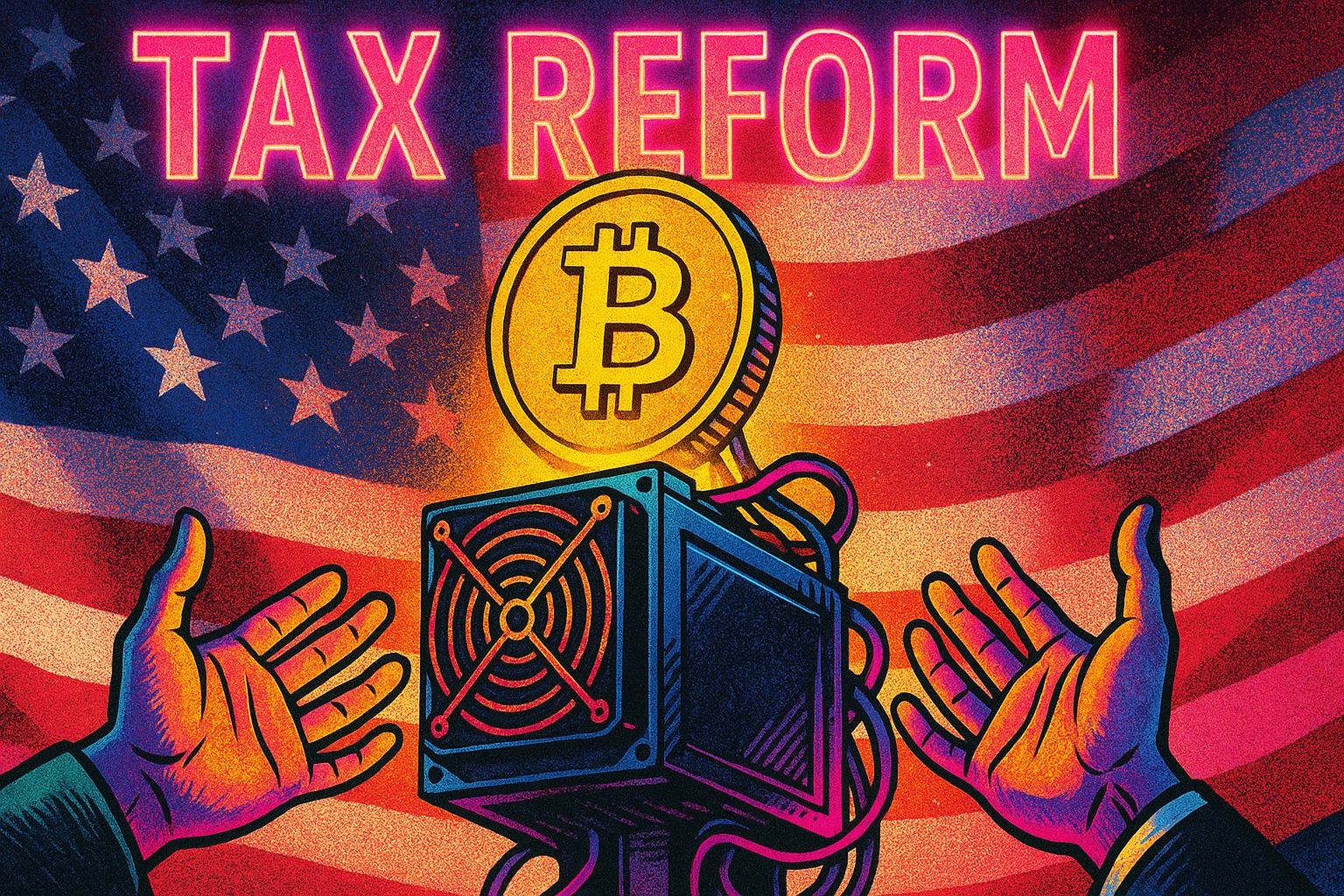
Lummis Proposes Tax Reform for Bitcoin Miners
Senator Cynthia Lummis has unveiled a comprehensive amendment to the 2021 Infrastructure Investment and Jobs Act aimed at overhauling how Bitcoin miners and stakers are taxed. Currently, crypto miners face “double taxation,” paying income tax on newly earned block rewards the moment they’re mined, then capital gains tax again when they sell. Lummis’s proposal would redefine “broker” in the law to exclude miners and node operators, so that taxes on Bitcoin rewards would be due only upon disposition rather than at the point of receipt.
Background and Rationale
Under the existing framework, the IRS treats mined coins and staking rewards as ordinary income when they hit a miner’s wallet. This triggers a tax event based on the coin’s fair market value at that time. Later, any price appreciation up to the moment of sale incurs a separate capital gains liability. For miners operating on slim margins, unpredictable tax bills can threaten viability and deter new entrants. Lummis argues that taxing only upon sale aligns Bitcoin’s tax treatment with traditional commodities and equities, reduces administrative burdens, and prevents unexpected tax liabilities that undermine U.S. competitiveness in digital assets.
Key Provisions
Redefinition of “Broker”: The amendment would carve out miners, validators, and certain developers from the broker definition, sparing them from onerous information-reporting mandates that were never intended for network participants.
Timing of Taxation: Taxable events would shift to the sale or exchange of cryptocurrency, rather than the moment of mining or staking reward issuance.
Compliance Simplification: By focusing reporting on exchanges and custodians, the change limits the universe of required filers and reduces the risk of inadvertent noncompliance for individual miners.
Industry and Bipartisan Support
Crypto industry leaders have lauded the amendment as a corrective measure that will bring clarity and fairness. Proponents highlight that other G20 nations have adopted sale-based taxation for mined coins, and that U.S. leadership in blockchain innovation depends on a coherent, growth-oriented tax policy. Early indications suggest growing bipartisan interest in financial committees, as lawmakers recognize the need to modernize outdated tax statutes without sacrificing oversight.
Potential Economic Impact
If passed, the reform could:
Spur innovation by lowering entry barriers for small and mid-sized mining operations.
Attract additional institutional investment into U.S. blockchain infrastructure.
Streamline IRS enforcement by narrowing the focus to centralized exchanges.
Reinforce America’s position as a leading jurisdiction for digital-asset development.
Looking Ahead
Senator Lummis plans to introduce the amendment when the Senate reconvenes, seeking to attach it to must-pass legislation later this summer. Stakeholders across the crypto ecosystem are preparing comment letters and engaging with congressional offices to ensure the proposal accurately reflects the operational realities of mining and staking. With momentum building, this amendment could mark a pivotal shift in U.S. crypto tax policy—one that balances revenue needs with the imperative to foster technological advancement.