
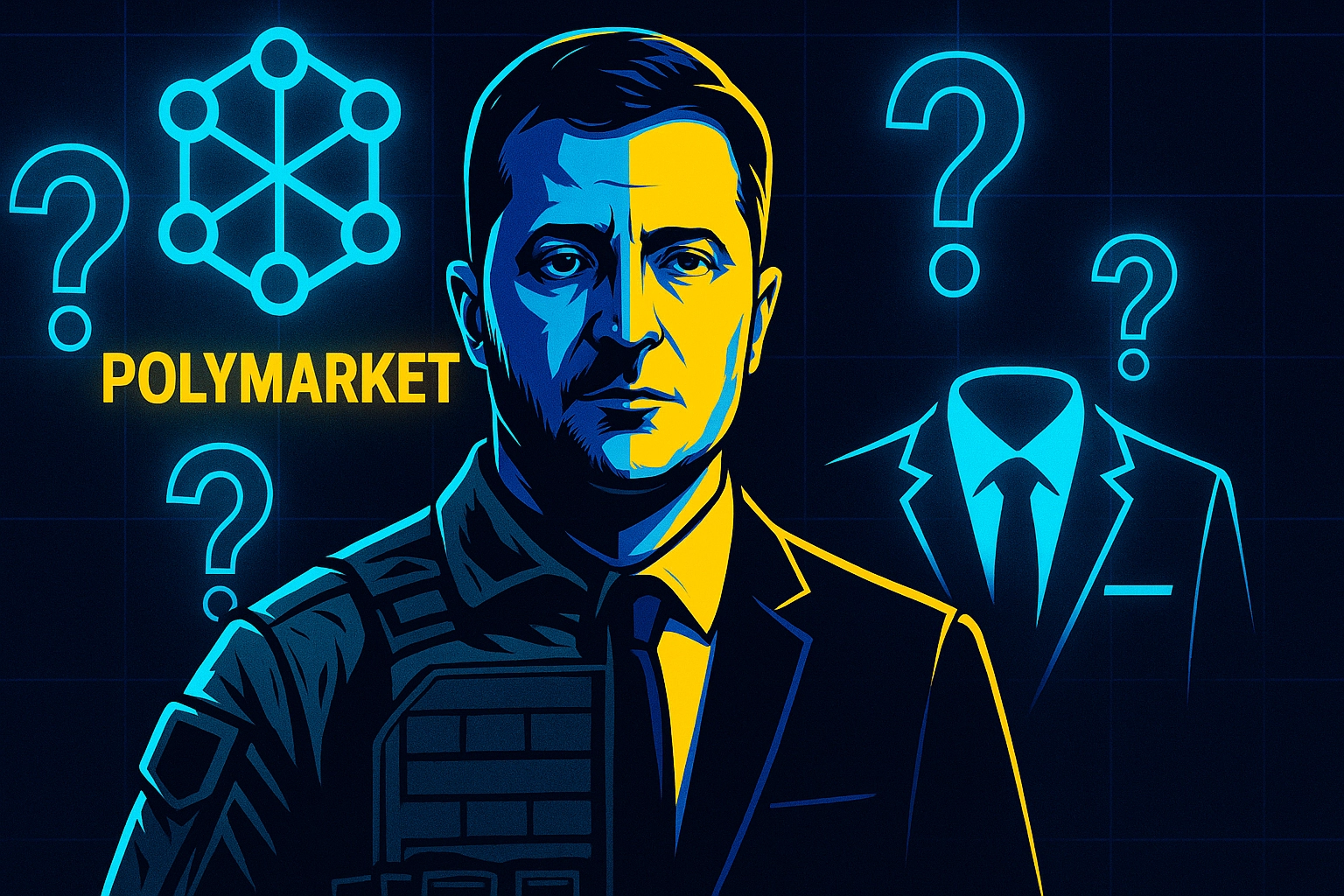
Polymarket Faces $160M Backlash Over Zelenskyy Suit Bet
Polymarket Controversy: $160M Bet on Zelenskyy Suit Sparks Outrage
A $160 million cryptocurrency prediction market on Polymarket has generated widespread criticism following a contentious dispute over whether Ukrainian President Volodymyr Zelenskyy wore a suit at a NATO summit in June 2025.
The prediction market, which invited users to wager on whether Zelenskyy would don formal attire before July, now faces significant backlash from participants and industry observers. The market resolution, managed by oracle protocol UMA, has become a focal point of controversy.
UMA Validators Vote Against Market Outcome
The Polymarket initially favored a "yes" outcome, but UMA validators ultimately decided against it. These validators utilize their token holdings to determine real-world outcomes connected to prediction markets.
Following the vote shift toward "no," the "yes" token price plummeted dramatically from $0.19 to $0.04, indicating a massive decline in market confidence. This price movement has prompted numerous users to accuse UMA validators of market manipulation for financial gain.
Social media user @Atlantislq posted criticism stating that whales were attempting to manipulate the UMA vote on the Zelenskyy suit market. These allegations mirror previous concerns, as a similar dispute occurred in March involving another Ukraine-related market.
Zelenskyy's NATO Summit Attire Sparks Debate
The current controversy centers on Ukrainian President Volodymyr Zelenskyy's appearance at the NATO summit on June 24. Supporters arguing for the "yes" outcome maintain he wore a dark, matching jacket and trousers, which constitutes a suit by tailoring standards.
However, critics, including menswear writer Derek Guy, argue that Zelenskyy's outfit failed to meet formal suit definitions. Derek Guy reportedly placed a $3.6 million bet on "no," potentially earning $72,000 if the market closes favorably.
This marks another instance of Zelenskyy's attire causing disagreements. In May, Polymarket closed a similar market where Zelenskyy's clothing during a German meeting was challenged for not qualifying as a proper suit. Despite Derek Guy's technical assessment that it qualified, the market resolved against it.
Growing Criticism Against UMA Validators
Critics accuse validators holding UMA protocol tokens of manipulating outcomes through coordinated voting. This situation raises fairness concerns regarding decision-making processes on blockchain-based betting platforms.
While UMA promotes a community-governed dispute resolution process, critics demand increased accountability and transparency. The presence of large token holders, or whales, creates potential for biased results when these holders have vested interests in specific outcomes.
Platform Faces Trust Issues
Polymarket has not issued an official statement addressing the suit market controversy. However, this incident could significantly impact user trust and platform reputation during a critical period, as the company reportedly pursues $200 million in new funding.
The controversy highlights broader concerns about oracle reliability and governance in decentralized prediction markets. Users question whether current validation systems adequately protect against manipulation and ensure fair outcomes.
Zelenskyy's Wartime Attire Choices
Ukrainian President Volodymyr Zelenskyy has rarely worn suits since the war in Ukraine began. According to a March Politico report, the Ukrainian leader stated he would resume wearing suits only after the war with Russia concludes.
This context adds complexity to prediction markets based on his attire choices, as his clothing reflects his wartime leadership role rather than traditional diplomatic protocols.
Impact on Prediction Market Industry
The Polymarket suit controversy raises questions about the reliability of decentralized oracle systems and their susceptibility to manipulation. As prediction markets gain popularity, ensuring fair and transparent resolution mechanisms becomes increasingly critical.
The incident may prompt discussions about improving governance structures and implementing additional safeguards to protect against potential manipulation by large token holders.
Market Implications and Future Outlook
The $160 million market size demonstrates the significant financial stakes involved in prediction markets. The controversy's resolution could establish important precedents for how similar disputes are handled in the future.
This situation may influence regulatory discussions around prediction markets and highlight the need for more robust dispute resolution mechanisms in decentralized finance applications.