
Real World Asset Tokenization Gains Momentum: BofA Report
Real World Asset Tokenization Gains Momentum According to Bank of America
Growing Investor Interest in Blockchain-Based Asset Tokenization
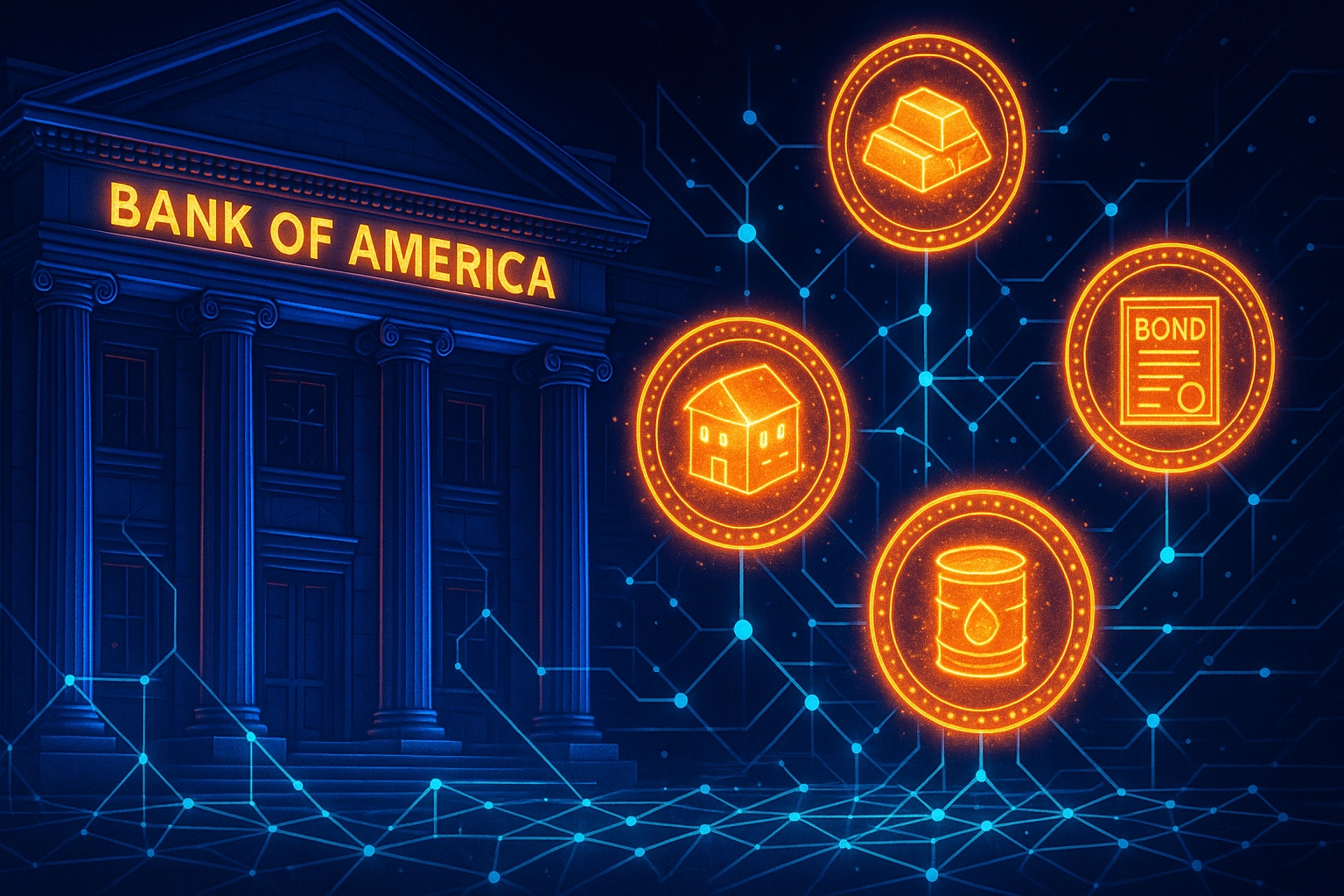
Bank of America has identified a significant shift in investor focus toward the tokenization of real-world assets, marking a pivotal moment in blockchain adoption. While US dollar-backed stablecoins continue to dominate cryptocurrency discussions, institutional investors are increasingly exploring opportunities in tokenized stocks, bonds, bank deposits, and real estate.
The financial giant's latest report suggests this trend represents the beginning of a multi-year transformation toward fully blockchain-based financial transactions, fundamentally changing how traditional assets are traded and managed.
What is Real World Asset Tokenization
Real-world asset tokenization involves converting traditional physical and financial assets into digital tokens on blockchain networks. This innovative process enables fractional ownership, streamlined trading mechanisms, and enhanced accessibility to previously illiquid asset classes.
The tokenization process allows investors to purchase smaller portions of high-value assets, democratizing access to investment opportunities that were traditionally reserved for institutional or high-net-worth investors. Smart contracts ensure compliance and automate various aspects of asset management and trading.
Infrastructure Development and Market Benefits
According to Bank of America's analysis, the widespread adoption of asset tokenization will require substantial infrastructure development across the financial ecosystem. However, the potential benefits justify this investment, including 24/7 market access across global jurisdictions, instant settlement capabilities, and significantly enhanced liquidity for traditionally illiquid assets.
Smart contract technology underpins these advantages, automatically executing transactions and ensuring regulatory compliance without manual intervention. This automation reduces costs, minimizes errors, and increases transaction speed compared to traditional asset management systems.
Dubai's Real Estate Tokenization Initiative
The Dubai Land Department has emerged as a leading example of real-world asset tokenization implementation. The department recently launched a comprehensive tokenized real estate platform designed to digitize up to 16 billion dollars in property assets by 2033.
This ambitious initiative introduces fractional ownership opportunities in Dubai's real estate market, allowing smaller investors to participate in property investments that were previously accessible only to large institutional buyers. The platform represents a significant milestone in making real estate investment more inclusive and liquid.
Impact on Traditional Banking Services
Bank of America's report addresses investor concerns about potential disruption to traditional banking services, particularly transaction-based revenue streams. Citigroup's transaction services business, which accounts for approximately 40 percent of the bank's bottom line, faces potential challenges as blockchain technology gains wider adoption.
However, analysts suggest that investors may be underestimating established banks' expertise and adaptability in implementing blockchain technology solutions. Rather than being displaced, traditional financial institutions are likely to evolve and integrate tokenization capabilities into their existing service offerings.
Market Outlook and Investment Implications
The push toward real-world asset tokenization signals a significant milestone in blockchain technology adoption for practical financial applications. This trend extends beyond cryptocurrency speculation into tangible asset management and investment opportunities.
Investors are recognizing the potential for tokenization to unlock value in traditionally illiquid markets while providing new revenue streams for financial institutions willing to adapt to technological changes. The multi-year implementation timeline suggests sustained growth opportunities in the tokenization sector.
Future of Blockchain-Based Finance
As tokenization technology matures, financial markets are expected to become more efficient, accessible, and globally integrated. The combination of enhanced liquidity, reduced transaction costs, and improved accessibility positions tokenized assets as a cornerstone of future financial infrastructure.
The successful implementation of projects like Dubai's real estate tokenization platform will serve as proof of concept for broader adoption across various asset classes and geographic markets. This evolution represents a fundamental shift toward more democratized and efficient financial markets powered by blockchain technology.
For more Crypto, Web3, Blockchain & AI news visit : www.metamoonmedia.com