
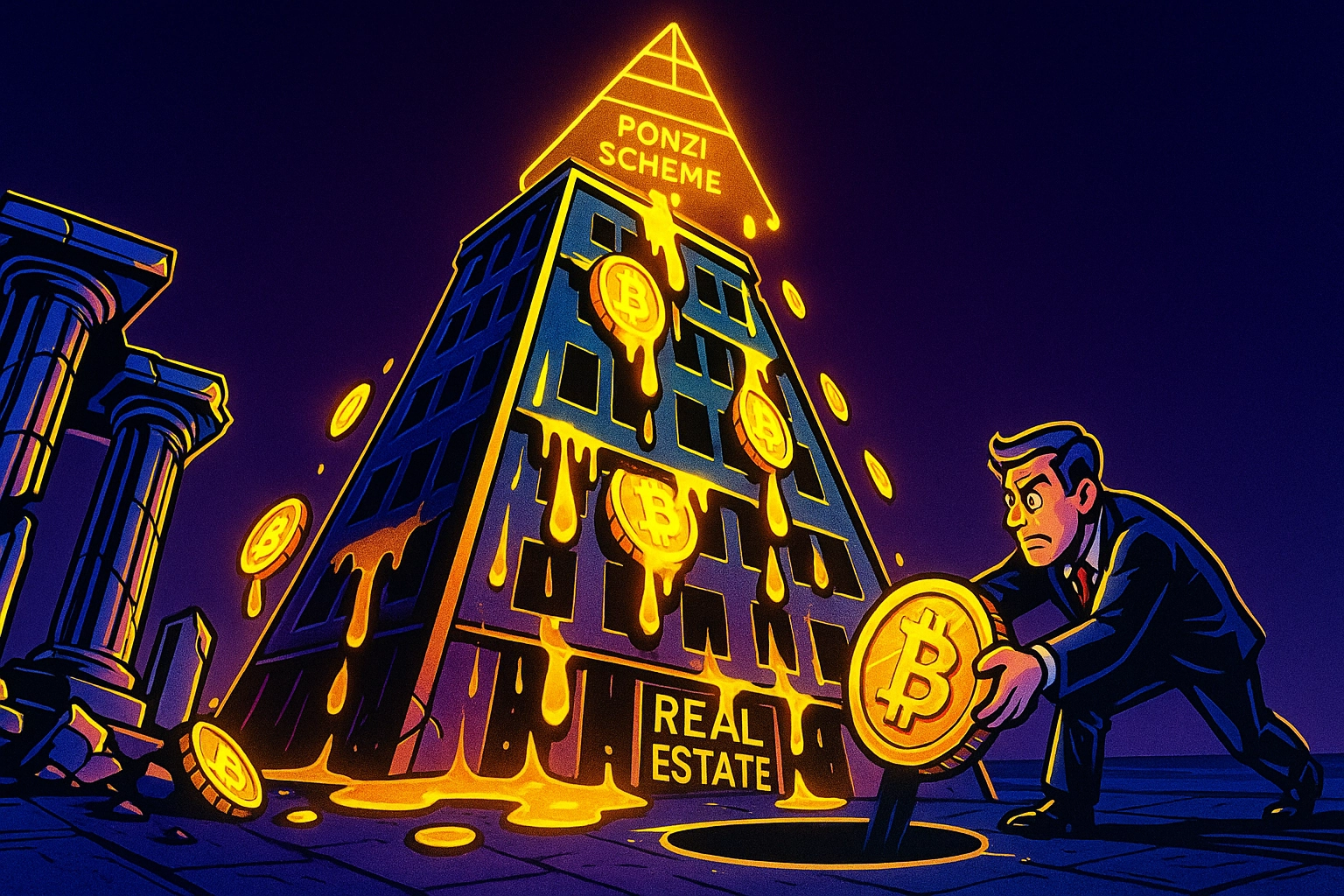
RWA Crypto Ponzi Scheme: Detroit Sues Real Estate Firm
RWA Crypto Real Estate Firm Faces Major Ponzi Scheme Lawsuit in Detroit
Florida-Based RealT Accused of Multi-Million Dollar Token Fraud
RealT, a Florida-based real world asset (RWA) issuer, is facing serious legal action after allegedly offering tokenized shares of dozens of Detroit homes it does not actually own. The company collected $2.72 million from investors while promising returns from properties that remain outside their ownership, raising significant concerns about the integrity of the rapidly growing RWA cryptocurrency market.
The Detroit lawsuit represents one of the most significant challenges to the RWA sector, which has been marketed as a stable alternative during cryptocurrency market downturns. This case highlights potential systemic issues that could affect investor confidence across the entire tokenized real estate industry.
The Detroit RWA Investment Scheme Explained
The alleged fraud operated through a relatively simple but deceptive mechanism. RealT marketed tokenized shares of 39 residential properties located in Detroit's Eastside neighborhood, promising investors a portion of rental income generated from these homes.
Despite collecting $2.72 million from investors—significantly more than the $1.1 million actual value of the properties—RealT never completed the purchases of these homes. The company began advertising these RWA investments in 2023, attracting investors with promises of steady rental income returns.
Local investigations revealed that many of the properties in question are either vacant or in severe disrepair, making the promised rental income impossible to generate. This discovery has prompted at least one major investor to withdraw all investments from the platform, comparing the situation to Bernie Madoff's infamous Ponzi scheme.
Legal Action and Property Violations Mount
The City of Detroit has filed a comprehensive lawsuit against RealT, citing numerous code and tax violations across 408 properties currently under the company's management. These violations extend far beyond the 39 homes at the center of the tokenization fraud, suggesting broader operational issues within the company.
Further investigation has uncovered more than 20 additional cases where RealT sold tokenized shares of properties it did not own, indicating this practice may have been more widespread than initially reported. Legal experts suggest additional cases may emerge as investigations continue.
The company's approach to property management has also come under scrutiny, with vacancy rates reaching up to 10 times higher than advertised to investors. Many properties are located in rent-controlled areas, which limits potential rental income and makes the promised returns to token holders increasingly unrealistic.
Implications for the RWA Cryptocurrency Market
The RealT case exposes fundamental challenges facing the RWA sector that extend beyond simple fraud allegations. The incident raises critical questions about whether crypto companies can successfully manage traditional real estate portfolios while maintaining the technical infrastructure required for blockchain-based investment platforms.
Property management requires specialized expertise, local market knowledge, and full-time operational focus—skills that rarely overlap with cryptocurrency and blockchain development capabilities. The complexity of managing physical assets while operating a digital investment platform creates inherent conflicts that may be difficult to resolve.
The vacancy rates and property conditions revealed in the Detroit case suggest that even legitimate RWA operations may struggle to generate the returns promised to token holders. When property taxes, maintenance costs, municipal violations, and management expenses are factored in, the business model becomes increasingly challenging to sustain without relying on new investor funds to pay existing investors.
Regulatory Concerns and Market Impact
This case arrives during what some analysts call a "crypto crime supercycle," as regulators and law enforcement agencies increase scrutiny of cryptocurrency-related investment schemes. The RWA sector had previously been viewed as a relatively low-risk area within the broader cryptocurrency ecosystem, making this case particularly significant for market confidence.
Regulators across multiple jurisdictions have been monitoring the RWA space with interest, viewing tokenized real estate as a potential bridge between traditional finance and cryptocurrency markets. The RealT allegations may prompt increased regulatory oversight and stricter compliance requirements for companies operating in this space.
The incident also highlights the challenges investors face when evaluating RWA investments, as the underlying assets may be difficult to verify independently. Unlike traditional real estate investment trusts, which operate under established regulatory frameworks, many RWA platforms operate with limited oversight and transparency requirements.
Lessons for RWA Investors
The Detroit lawsuit serves as a critical reminder that RWA investments carry unique risks that differ from both traditional real estate and cryptocurrency investments. Investors should conduct thorough due diligence on both the underlying assets and the management capabilities of RWA platforms before committing funds.
Key warning signs identified in the RealT case include unusually high vacancy rates, properties in declining neighborhoods, promises of returns that exceed local market conditions, and limited transparency about actual property ownership and management practices. Investors should verify property ownership through public records and assess whether promised returns align with local rental market conditions.
The case also demonstrates the importance of understanding the operational complexities involved in managing tokenized real estate portfolios. Companies that lack substantial real estate management experience may struggle to deliver promised returns, regardless of their cryptocurrency and blockchain expertise.
Future of Real World Asset Tokenization
Despite the challenges highlighted by the RealT case, the concept of tokenizing real world assets continues to attract significant interest from both investors and traditional financial institutions. The key will be developing operational standards and regulatory frameworks that can support legitimate RWA operations while protecting investors from fraudulent schemes.
Industry experts suggest that successful RWA platforms will need to demonstrate clear property ownership, transparent management practices, realistic return projections, and robust operational capabilities in both real estate management and blockchain technology. The sector may also benefit from increased regulatory clarity and standardized reporting requirements.
The Detroit lawsuit represents a significant test case for how legal systems will handle disputes involving tokenized real estate investments, potentially setting important precedents for future RWA-related litigation and regulatory enforcement actions.
For more Crypto, Web3, Blockchain & AI news visit : www.metamoonmedia.com