
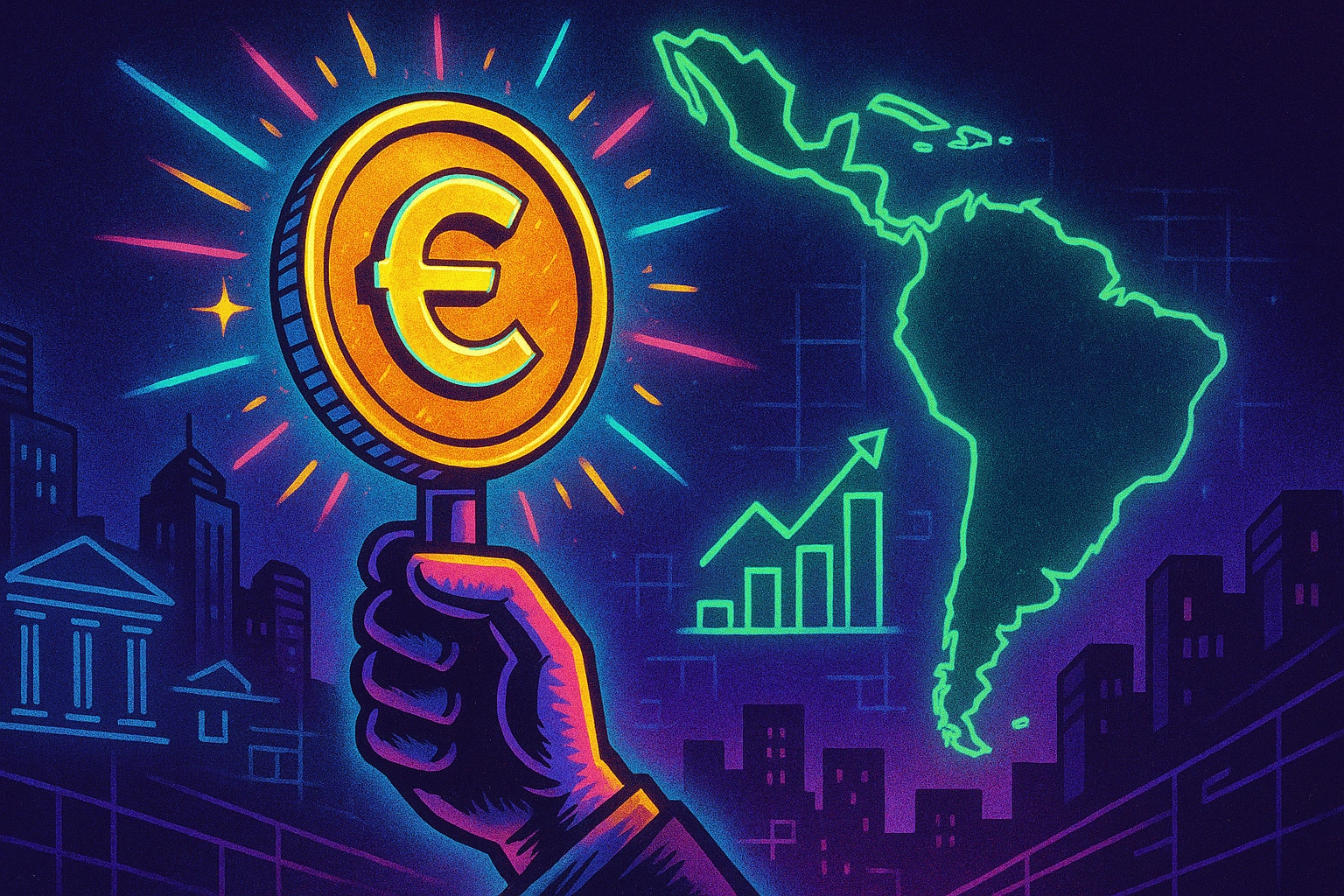
RWA Tokenization Could Transform Latin America Markets
How RWA Tokenization Could Transform Latin American Capital Markets
Real-world asset tokenization is emerging as a game-changing solution for Latin America's capital market challenges. According to Bitfinex Securities' inaugural Latin America Market Inclusion Report, tokenization technology could dramatically reshape how businesses access capital and how investors participate in regional markets.
The Current State of Latin American Capital Markets
Latin American capital markets face significant structural barriers that limit growth and accessibility. The Bitfinex Securities report identifies several critical challenges affecting the region:
Market Access Barriers
Traditional capital markets in Latin America suffer from high fees, complex bureaucratic processes, and limited market depth. These systemic issues create what researchers call "liquidity latency" - obstacles that slow capital flow and hinder investment opportunities across the region.
Regulatory and Operational Challenges
Complex regulations, technological barriers, high startup costs, and bureaucratic hurdles pose significant challenges to business and investment growth. Limited financial literacy among potential investors further compounds these accessibility issues.
Geographic Scope of Analysis
The comprehensive report analyzes market conditions across eight Latin American countries: Argentina, Brazil, Chile, Colombia, El Salvador, Mexico, Panama, and Peru, providing region-wide insights into capital market inefficiencies.
Tokenization as a Market Solution
Real-world asset tokenization offers a technological solution to address Latin America's capital market limitations. This innovative approach digitizes ownership of bonds, equities, and funds by issuing blockchain-based tokens.
How Tokenization Works
Each token corresponds to a share or unit of the underlying asset, enabling decentralized ownership and management. This structure provides multiple advantages including enhanced accessibility, transparency, and operational efficiency compared to traditional securities.
Cost and Time Advantages
The report reveals significant efficiency improvements possible through tokenization:
Issuance costs could drop to just 2-4% of raised capital
Listing times could be reduced from several months to 60-90 days
Fractional ownership becomes possible, lowering investment barriers
These improvements could make investing dramatically more inclusive and efficient across Latin American markets.
Regulatory Progress Enabling Tokenization
Several Latin American countries are establishing favorable regulatory frameworks for digital asset tokenization, positioning the region to embrace blockchain-based securities.
El Salvador's Digital Asset Leadership
El Salvador leads regional digital asset adoption with comprehensive regulatory frameworks. The country became the first nation to recognize Bitcoin as legal tender in 2021 and passed the Digital Assets Issuance Law (LEAD) in 2023, creating a fully regulated framework for asset tokenization.
Regional Regulatory Developments
Argentina and Brazil are also advancing regulatory frameworks that support tokenized markets, indicating growing regional acceptance of blockchain-based financial innovation.
Economic Impact and Investment Opportunities
Tokenization technology promises to improve market accessibility for both capital-seeking businesses and investors throughout Latin America.
Benefits for Businesses
Companies can access capital markets more efficiently through:
Lower fundraising costs
Faster listing processes
Reduced regulatory complexity
Access to global investor pools
Investor Advantages
Individual and institutional investors benefit from:
Lower investment minimums through fractional ownership
24/7 trading capabilities
Enhanced transparency through blockchain technology
Reduced intermediary costs
Market Transformation Potential
Industry experts view tokenization as a fundamental shift in Latin American finance rather than incremental improvement.
Industry Perspective
Jesse Knutson, Head of Operations at Bitfinex Securities, describes tokenization as "the first genuine opportunity in generations to rethink finance." The technology creates more direct connections between issuers and investors while lowering costs and accelerating market access.
Socio-Economic Implications
Beyond financial benefits, tokenization represents a broader socio-economic opportunity for Latin America to overcome historical market barriers and drive regional economic growth.
Future Outlook for LATAM Tokenization
The convergence of favorable regulations, technological advancement, and market demand positions Latin America uniquely to embrace tokenized securities markets.
Market Development Trajectory
As regulatory frameworks mature and technology adoption increases, tokenization could become a primary mechanism for capital formation across Latin American markets.
Regional Competitive Advantage
Latin America's early adoption of tokenization technology could provide competitive advantages in attracting international investment and fostering regional economic development.
Conclusion
Real-world asset tokenization presents a transformative opportunity for Latin American capital markets. By addressing systemic inefficiencies through blockchain technology, the region can create more inclusive, efficient, and accessible financial markets.
The Bitfinex Securities report underscores tokenization's potential to democratize investment opportunities while reducing costs and barriers for businesses seeking capital. As regulatory frameworks continue developing and technology adoption expands, Latin America is positioned to lead global tokenization innovation.
This technological evolution could mark a pivotal moment in regional financial development, offering solutions to longstanding capital market challenges while opening new pathways for economic growth and investment accessibility across Latin America.
For more Crypto, Web3, Blockchain & AI news visit : www.metamoonmedia.com