
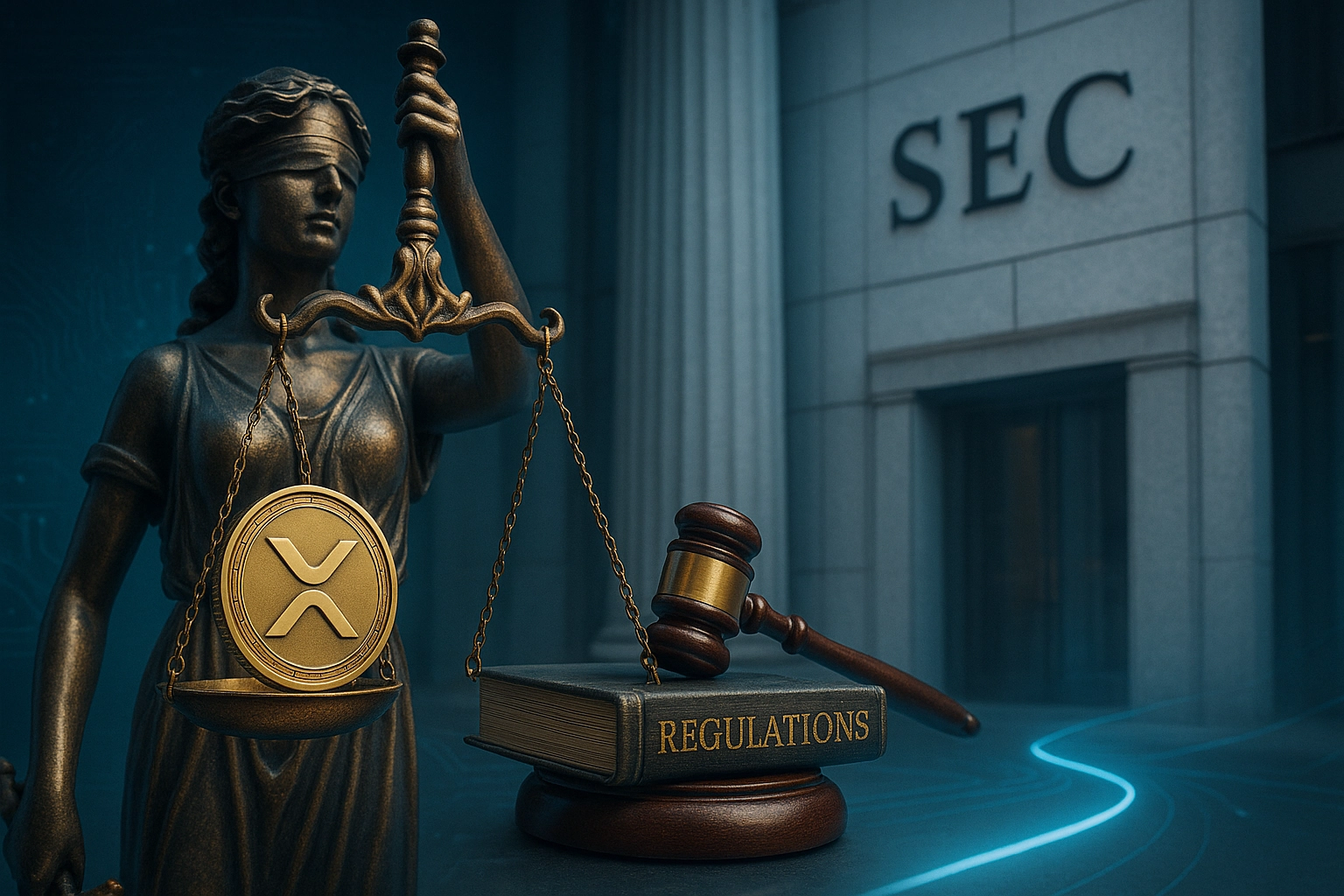
SEC Shifts Focus to Clear Crypto Regulations Post-Ripple
SEC Shifts Focus to Clear Crypto Regulations After Ripple Case Resolution
Historic Ripple Lawsuit Comes to End After Five Years
The United States Securities and Exchange Commission has concluded one of cryptocurrency's most significant legal battles, signaling a strategic shift toward developing comprehensive digital asset regulations. The SEC and Ripple Labs officially ended their nearly five-year dispute after both parties filed to drop their legal appeals, marking a pivotal moment for the cryptocurrency industry.
SEC Leadership Emphasizes Regulatory Framework Development
SEC Commissioner Hester Peirce welcomed the case's conclusion as a positive development that allows regulatory attention to shift from litigation to policy creation. The resolution frees up resources previously dedicated to courtroom proceedings, enabling focus on establishing clear guidelines for the crypto sector.
SEC Chair Paul Atkins responded by emphasizing the opportunity to redirect energy from legal disputes to policy development. Atkins stated that the commission's priority should be building a regulatory framework that balances innovation promotion with investor protection.
Ripple Case Background and Key Rulings
The legal battle began in December 2020 when the SEC sued Ripple, alleging the company raised 1.3 billion dollars through unregistered XRP securities sales. The case reached a significant milestone in July 2023 when Judge Analisa Torres issued a landmark ruling determining that XRP was not a security when sold to retail investors but constituted a security in institutional sales.
The resolution concluded in August 2024 with Ripple paying a 125 million dollar fine, substantially lower than the SEC's initial demands. This outcome has been viewed as a partial victory for Ripple and the broader cryptocurrency industry.
Congressional Action on Digital Asset Legislation
The case's resolution coincides with advancing congressional legislation aimed at clarifying digital asset regulations. Lawmakers are pushing forward the Digital Asset Market Clarity Act, commonly known as the CLARITY Act, which seeks to define the structure of digital asset markets and provide regulatory certainty.
Political Divisions Over Crypto Legislation
Republican lawmakers and the Senate Banking Committee are working to pass the CLARITY Act by September 30, despite increasing opposition from Democratic Party members. The legislation has become a point of political contention, with differing views on appropriate crypto regulation approaches.
Leading Democratic representatives have announced collective opposition to what they characterize as dangerous crypto legislation. House Financial Services Committee ranking member Maxine Waters has specifically criticized both the CLARITY Act and the Anti-CBDC Surveillance State Act, which aims to prohibit the launch of a US central bank digital currency.
Industry Impact and Future Outlook
The Ripple case resolution represents a significant milestone for cryptocurrency regulation in the United States. Industry observers view the outcome as potentially setting precedent for how digital assets are classified and regulated going forward.
The SEC's stated commitment to developing clear regulatory frameworks suggests a more collaborative approach to crypto oversight, potentially reducing regulatory uncertainty that has long challenged the digital asset sector.
Market Response and XRP Performance
The legal resolution has positively impacted XRP's market performance, with the token experiencing significant price appreciation. The clarity provided by the case's conclusion has reduced regulatory overhang that previously weighed on XRP's valuation.
Broader Implications for Crypto Regulation
The shift from enforcement-focused litigation to proactive regulatory framework development signals a potential new era in US crypto policy. This approach may provide the certainty that cryptocurrency businesses and investors have long sought while maintaining necessary consumer protections.
The resolution of this high-profile case, combined with advancing congressional legislation, suggests that comprehensive crypto regulation may finally be within reach for the United States market.
For more Crypto, Web3, Blockchain & AI news visit : www.metamoonmedia.com