
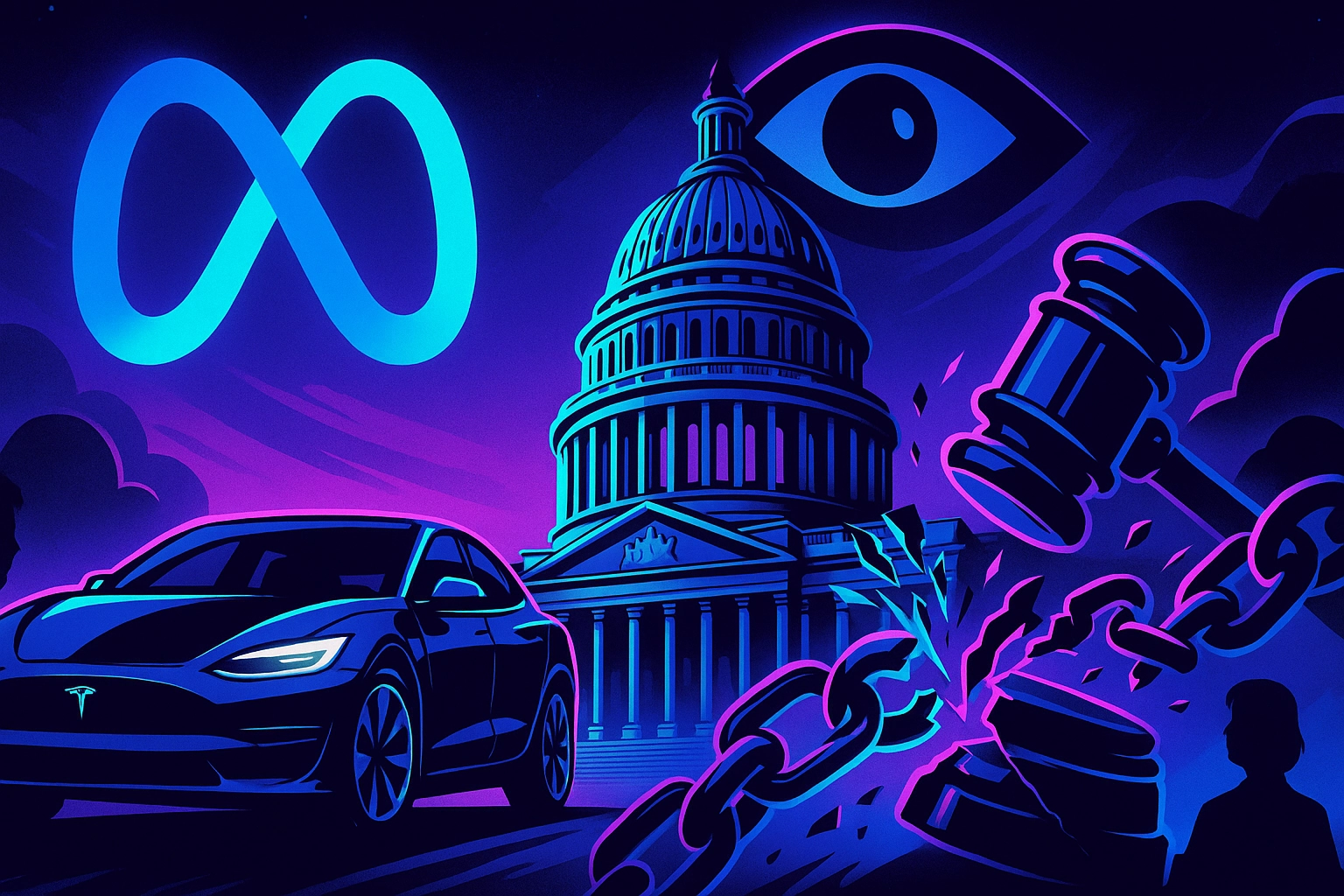
Tesla Meta Could Escape SEC Under CLARITY Act Warren
Tesla Meta Could Escape SEC Oversight Under CLARITY Act Warren Warns
CLARITY Act Could Allow Major Companies to Bypass SEC Regulations
Senator Elizabeth Warren has raised significant concerns about the Digital Asset Market Clarity (CLARITY) Act currently under consideration in the U.S. House of Representatives. The legislation could potentially allow major publicly traded companies like Tesla and Meta to circumvent Securities and Exchange Commission oversight by tokenizing their assets.
During a Senate Banking Committee hearing, Warren highlighted how blockchain technology might enable companies to sidestep crucial SEC regulations. This regulatory gap could create vulnerabilities in the financial system, allowing companies to avoid essential market oversight and investor protections that maintain market integrity.
Warren's Warning About Tesla Meta SEC Evasion
Elizabeth Warren specifically warned that the CLARITY Act could permit publicly traded companies, including Tesla and Meta, to tokenize their stock and place it on blockchain networks, effectively escaping SEC regulations.
"Under the House bill, a publicly traded company like Meta or Tesla could simply decide to put its stock on the blockchain and – poof! – it would escape all SEC regulation," Warren stated during the hearing.
The Senator emphasized that removing these major companies from SEC oversight would undermine financial market integrity and jeopardize investor protections. While Warren supports establishing a clear regulatory framework for digital assets, she cautioned that the CLARITY Act could weaken existing regulations rather than strengthen them.
Market Manipulation Concerns Under CLARITY Act
Warren further argued that the CLARITY Act could enable companies to manipulate markets by circumventing SEC rules specifically designed to ensure fairness, transparency, and investor protection. Without proper oversight, companies like Tesla and Meta could exploit tokenization to avoid regulatory scrutiny, creating a significantly riskier market environment for investors.
SEC Commissioner Hester Peirce responded to these concerns by clarifying that tokenized securities would still be subject to federal securities laws. However, Warren's concerns persist that this regulatory gap could lead to potential market abuses and reduced investor protections.
Ripple CEO Advocates for Smart Crypto Regulation
Ripple CEO Brad Garlinghouse also participated in the Senate Banking Committee hearing, advocating for a clear and comprehensive regulatory framework for digital assets. He emphasized that the lack of clear guidelines had created confusion and hesitancy in the cryptocurrency market.
"The U.S. needs a smart regulatory framework to ensure that the crypto market can grow safely and responsibly," Garlinghouse testified. "This framework is essential for the future of the crypto economy and to ensure that the U.S. remains competitive."
Crypto Industry Influence on CLARITY Act Legislation
Concerns have emerged regarding potential conflicts of interest in the CLARITY Act debate. Senator Warren accused the crypto industry of exerting undue influence on politicians, particularly mentioning companies like Meta, which has announced plans to issue its own stablecoin.
Warren criticized certain Republican legislators, alleging they were promoting less stringent regulations that favor the crypto sector. She also pointed out potential conflicts of interest involving President Donald Trump, whose family-backed business World Liberty Financial is involved in the crypto space through ventures like the "Official Trump" memecoin and DeFi projects.
According to reports, Trump's crypto investments have generated at least $620 million. Warren expressed concerns that these financial connections could influence regulators to make concessions to the crypto industry.
Impact on Financial Market Oversight
The debate over the CLARITY Act highlights broader concerns about maintaining effective financial market oversight while fostering innovation in digital assets. Critics argue that allowing major companies to escape SEC oversight through tokenization could create a dangerous precedent, potentially undermining decades of financial regulations designed to protect investors.
Supporters of the CLARITY Act argue that clear digital asset regulations are necessary to maintain U.S. competitiveness in the global crypto market. However, Warren's concerns emphasize the importance of ensuring that any new regulations do not create loopholes that allow companies to evade existing investor protections.
Future of Digital Asset Regulation
The ongoing debate over the CLARITY Act reflects the challenges policymakers face in balancing innovation with investor protection. As the legislation continues through the House of Representatives, lawmakers must carefully consider the potential consequences of allowing major publicly traded companies to bypass traditional SEC oversight through tokenization.
The outcome of this debate will likely have significant implications for the future of both traditional financial markets and the rapidly evolving digital asset ecosystem. Whether the CLARITY Act provides the regulatory clarity the crypto industry seeks or creates dangerous regulatory gaps remains to be seen.