
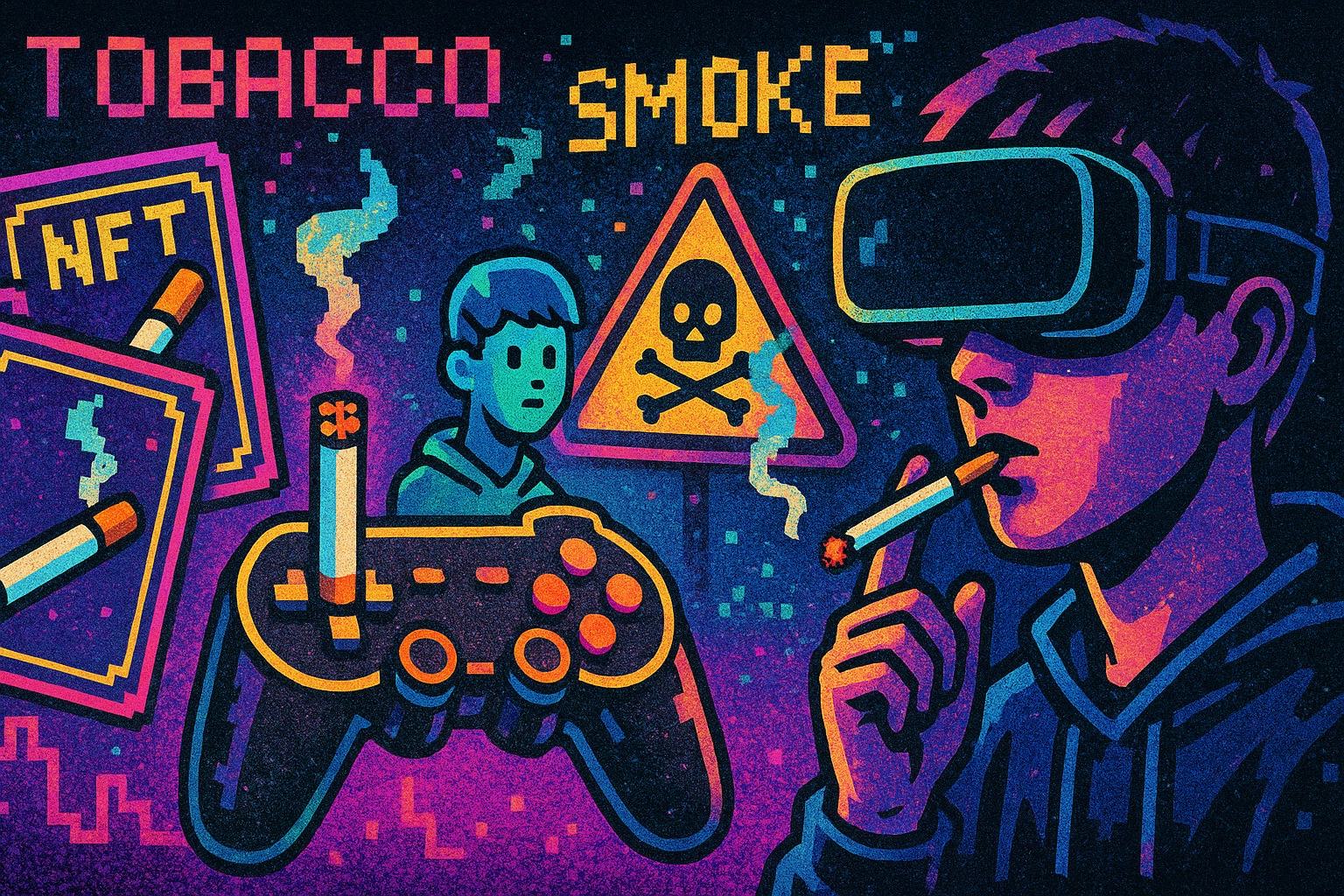
Tobacco Giants Use Gaming & NFTs to Target Young Smokers
How Tobacco Companies Use Gaming, Metaverse, and NFTs to Target Young Smokers
The Digital Deception: Big Tobacco's New Marketing Strategy
Tobacco companies are exploiting cutting-edge digital technologies to circumvent traditional advertising restrictions and reach younger audiences. Recent investigations reveal how the industry is leveraging gaming platforms, metaverse environments, and non-fungible tokens (NFTs) to promote smoking and vaping products to impressionable youth.
Metaverse: The New Frontier for Tobacco Marketing
The metaverse has become a prime hunting ground for tobacco marketers seeking to influence the next generation of smokers. These virtual worlds operate in largely unregulated spaces where traditional tobacco advertising laws struggle to maintain oversight.
Research indicates that approximately 51% of metaverse participants are aged 13 or younger, making these platforms particularly attractive to tobacco companies desperate to maintain their customer base as global smoking rates decline. Within these virtual environments, companies create digital avatars that promote positive messages about smoking behaviors and tobacco products.
Gaming Communities Under Siege
Online gaming communities have become infiltrated by sophisticated tobacco marketing campaigns. Companies are embedding promotional content within popular games and creating advergames specifically designed to normalize tobacco use among young players.
These gaming platforms offer tobacco companies direct access to millions of young users who spend hours immersed in virtual environments. The interactive nature of gaming makes promotional messages more engaging and memorable than traditional advertising methods.
NFTs as Marketing Tools
Non-fungible tokens have emerged as an unexpected vehicle for tobacco promotion. Companies are creating collectible digital art and virtual items that subtly incorporate tobacco imagery and messaging. These NFT collections appeal to tech-savvy youth who view digital collectibles as status symbols.
The decentralized nature of NFT marketplaces makes it extremely difficult for regulators to monitor and control tobacco-related content. This regulatory gap allows companies to distribute promotional materials without facing the same restrictions applied to traditional media channels.
The Regulatory Challenge
Traditional tobacco advertising regulations were designed for conventional media platforms like television, radio, and print publications. The rapid evolution of digital technologies has created numerous loopholes that tobacco companies actively exploit.
Virtual reality platforms, social media apps, and blockchain-based systems operate across international boundaries, making coordinated regulatory responses extremely challenging. Many of these platforms lack specific policies addressing tobacco promotion, creating an enforcement vacuum.
Youth Vulnerability in Digital Spaces
Young people are particularly susceptible to digital marketing tactics employed in gaming and virtual environments. The immersive nature of these platforms creates emotional connections that traditional advertising cannot achieve.
Interactive elements allow tobacco companies to collect detailed user data, enabling highly targeted marketing campaigns. This personalized approach increases the effectiveness of promotional messages and makes them harder for users to recognize as advertising.
Industry Response to Declining Markets
Global tobacco use continues declining, forcing companies to seek new recruitment strategies for maintaining profitability. Digital platforms offer unprecedented access to young demographics that traditional media channels can no longer reach effectively.
The tobacco industry views virtual environments as essential for protecting future revenue streams. Companies are investing heavily in digital marketing capabilities to ensure continued access to potential new customers.
Health Advocates Sound the Alarm
Public health organizations worldwide are raising concerns about these emerging marketing tactics. The Tobacco Enforcement and Reporting Movement (TERM) has documented extensive evidence of tobacco companies using social media accounts to promote their activities in gaming, metaverse platforms, and NFT spaces.
Health advocates argue that existing regulatory frameworks are inadequate for addressing the sophisticated digital marketing strategies employed by tobacco companies. They call for updated legislation that specifically addresses promotional activities in virtual environments.
The Need for Enhanced Oversight
Experts emphasize the urgent need for regulatory bodies to develop new enforcement mechanisms capable of monitoring tobacco promotion across digital platforms. Current oversight systems lack the technical capabilities required to identify and prevent sophisticated virtual marketing campaigns.
International cooperation becomes essential as digital platforms operate across national boundaries. Regulatory agencies must collaborate to create comprehensive frameworks addressing tobacco promotion in virtual spaces.
Protecting Youth from Digital Tobacco Marketing
Parents, educators, and policymakers must understand the evolving landscape of tobacco marketing to protect young people effectively. Awareness campaigns should highlight how companies use gaming, metaverse platforms, and NFTs to promote tobacco products.
Digital literacy education becomes crucial for helping youth recognize and resist sophisticated marketing tactics embedded within their favorite online activities. Schools and community organizations should incorporate tobacco marketing awareness into their educational programs.
Conclusion: The Battle for Youth Continues
The tobacco industry's migration to digital platforms represents a significant escalation in the ongoing battle for young minds. As companies become increasingly sophisticated in their use of gaming, metaverse environments, and NFTs, public health advocates face new challenges in protecting vulnerable populations.
Effective responses require coordinated efforts from regulators, platform operators, health organizations, and communities. Only through comprehensive action can society hope to counter the tobacco industry's exploitation of digital technologies and protect future generations from addiction and disease.
For more Crypto, Web3, Blockchain & AI news visit : www.metamoonmedia.com