
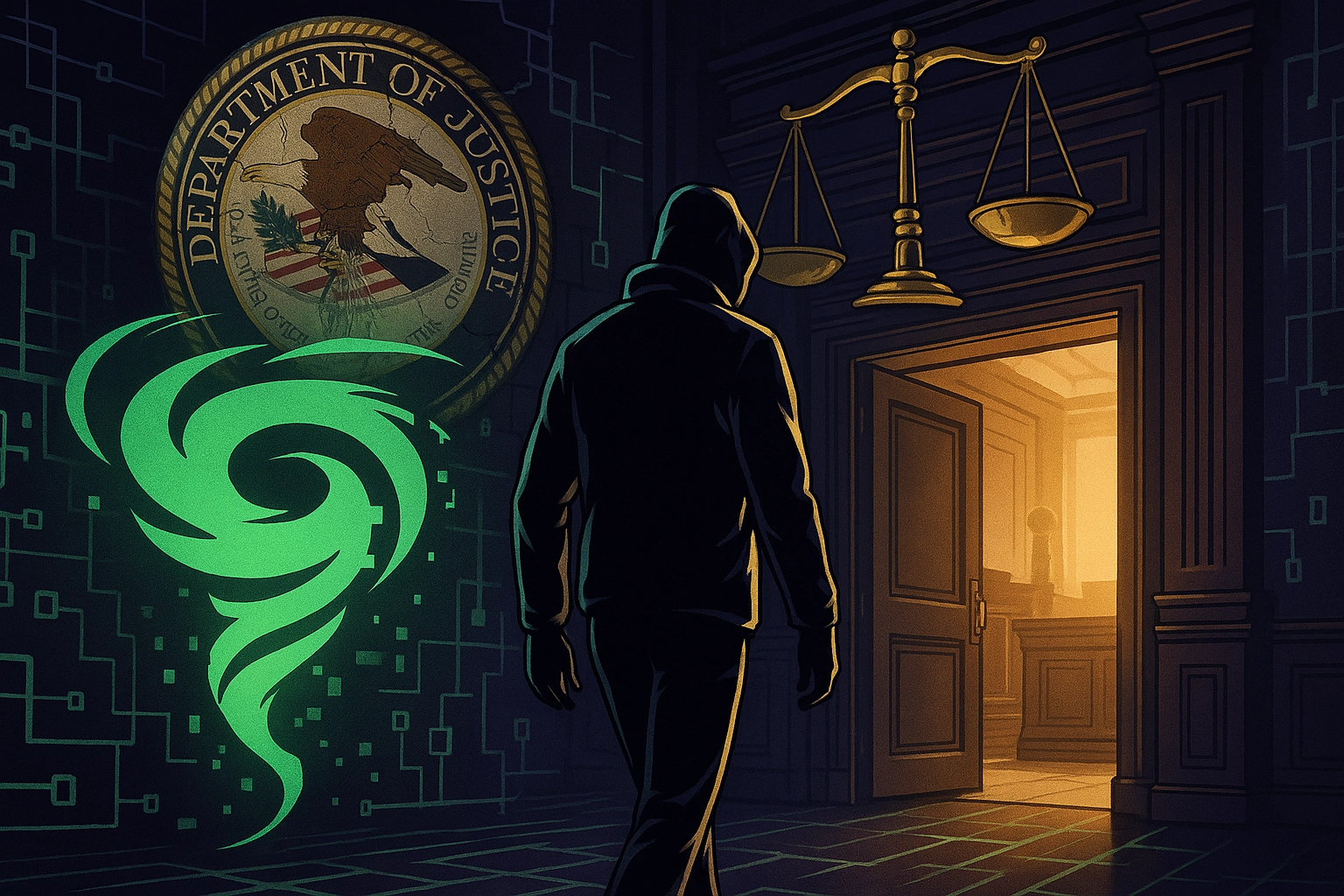
Tornado Cash Trial: DOJ Tactics and Witness Issues
Tornado Cash Trial Exposes DOJ's Conflicted Enforcement Priorities
The Tornado Cash trial has entered a critical phase as founder Roman Storm's defense team encounters significant obstacles. Key witnesses are refusing to testify, and the prosecution's tactics are raising questions about the Department of Justice's approach to cryptocurrency enforcement.
Key Witness Pleads the Fifth Amendment
Roman Storm's legal defense suffered a major setback when a crucial witness from blockchain analytics firm Chainalysis decided to invoke Fifth Amendment protections. The witness reportedly changed her position after receiving a phone call from prosecutors, highlighting potential prosecutorial pressure tactics.
This development supports Storm's previous assertions that the DOJ is systematically undermining his witness roster. The timing of the witness's decision has raised concerns about prosecutorial conduct in high-profile cryptocurrency cases.
DOJ Threatens Additional Charges Against Dragonfly Capital
The prosecution has suggested filing charges against several individuals at Dragonfly Capital, a prominent venture capital firm. The firm's Managing Partner publicly criticized this move as an attempt to block potential Tornado Cash witnesses from testifying.
These tactics represent a broader pattern of prosecution strategies that may be compromising the defendant's right to present a complete defense. Legal observers have noted the unusual nature of threatening charges against potential witnesses in ongoing proceedings.
Trump Administration Policy Changes Complicate Prosecution
The DOJ's approach to the Tornado Cash case faces significant challenges following policy changes under the Trump administration. Deputy Attorney General Todd Blanche issued a memo in April that fundamentally altered cryptocurrency enforcement guidelines.
The memo states that prosecutors should not charge regulatory violations in digital asset cases unless there is clear evidence the defendant willfully violated known licensing requirements. This policy shift has forced the DOJ to drop substantial portions of its complaint against Storm.
Jury Struggles with Technical Testimony
Court reporters have documented the jury's reaction to complex technical testimony during the trial's third week. NAXO co-founder Matthew Edman provided detailed blockchain technology explanations, but jurors appeared overwhelmed by the technical jargon.
Multiple observers noted that jury members seemed "bored" and "overwhelmed" during technical discussions. The DOJ reportedly worked to ensure the jury panel excludes individuals with blockchain technology expertise, potentially limiting their ability to understand key evidence.
Prosecution Strategy Focuses on Alleged Victims
The federal government has called alleged hack victims to testify, attempting to establish connections between Tornado Cash and financial crimes. However, the direct relationship between the privacy protocol and specific criminal activities remains unclear to observers.
The prosecution's primary strategy appears to involve disrupting the defense's witness list rather than establishing clear criminal liability. This approach has generated controversy within the cryptocurrency community and legal circles.
Implications for Cryptocurrency Privacy Law
The Tornado Cash trial outcome could establish important precedents for cryptocurrency privacy tools and their legal status. The case addresses fundamental questions about whether providing privacy-enhancing technology constitutes criminal activity.
Legal experts are closely monitoring the proceedings as they may determine future enforcement approaches for similar privacy-focused cryptocurrency protocols. The trial's resolution could impact the broader development of financial privacy tools in the digital asset ecosystem.
Trial Uncertainty Continues
Despite concerns raised by the cryptocurrency community about prosecutorial conduct, the trial's outcome remains uncertain. The jury's apparent confusion with technical concepts may influence their ability to evaluate the evidence effectively.
The case highlights tensions between traditional law enforcement approaches and emerging cryptocurrency technologies. As the trial progresses, both sides face challenges in presenting their arguments to a jury unfamiliar with blockchain technology complexities.
The Tornado Cash trial represents a significant test case for cryptocurrency regulation and enforcement in the United States. Its outcome will likely influence future prosecutions of privacy-focused blockchain protocols and their developers.
For more Crypto, Web3, Blockchain & AI news visit : www.metamoonmedia.com