
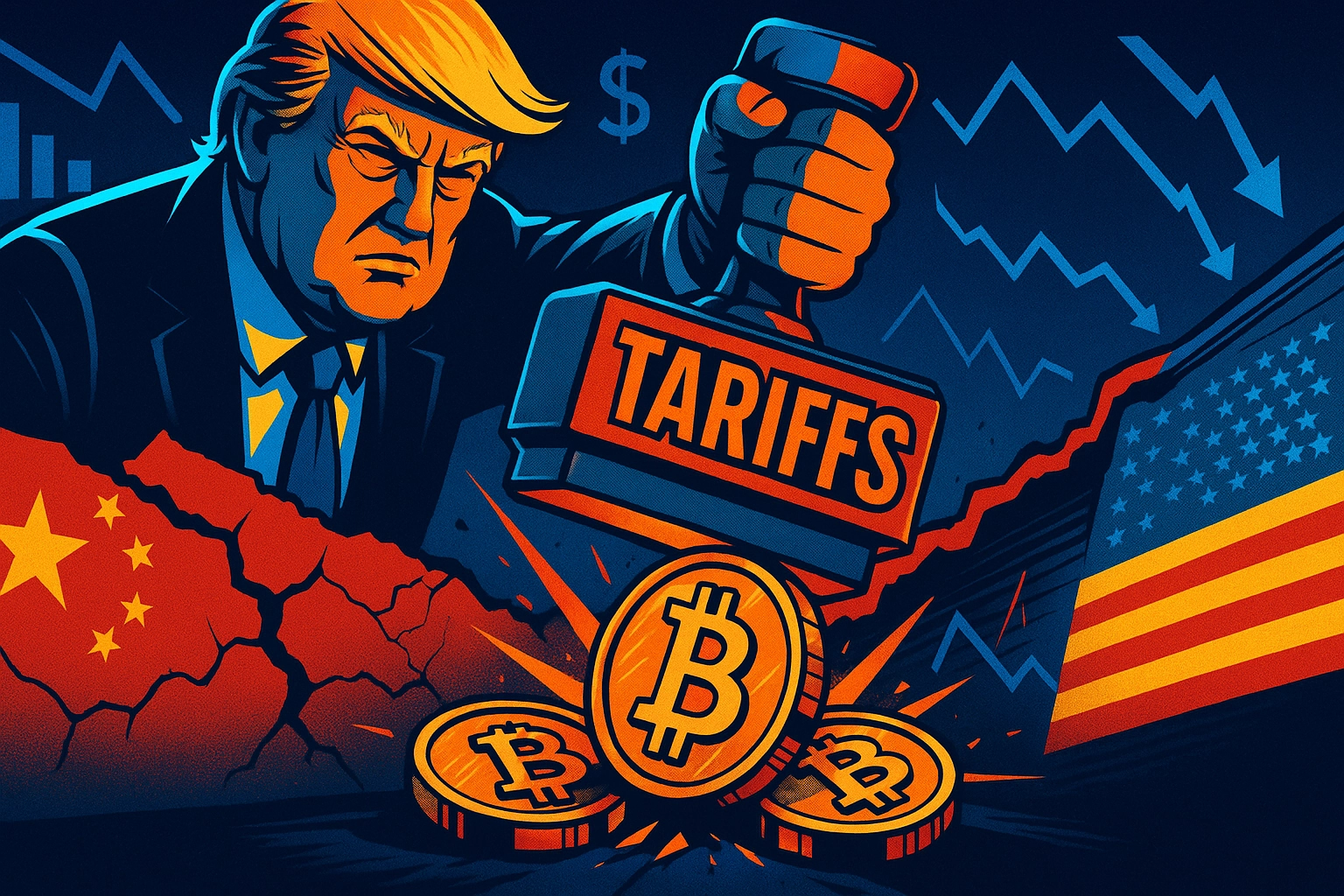
Trump Tariffs Impact on Bitcoin and Crypto Markets
Trump Tariffs vs Bitcoin: How Trade Wars Could Impact Crypto Markets
Understanding Trump's Tariff Strategy
Donald Trump's approach to international trade has consistently emphasized protective tariffs as a tool for economic policy. His administration's tariff proposals target various sectors and countries, aiming to boost domestic production and reduce trade deficits. These policies create ripple effects throughout global financial markets, including cryptocurrency ecosystems.
Bitcoin's Role as a Safe Haven Asset
Bitcoin has increasingly positioned itself as a hedge against economic uncertainty and currency devaluation. When traditional markets face volatility due to trade tensions, investors often seek alternative assets that operate independently of government monetary policies. This dynamic makes Bitcoin particularly sensitive to geopolitical developments like tariff announcements.
Historical Correlation Between Trade Wars and Crypto Prices
Previous trade conflicts have shown mixed results for cryptocurrency markets. During the 2018-2019 US-China trade war, Bitcoin experienced both significant rallies and corrections, often correlating with escalating tensions. The cryptocurrency market's reaction typically depends on multiple factors including investor sentiment, regulatory clarity, and broader economic conditions.
Potential Scenarios for Bitcoin Under New Tariff Policies
Bullish Scenario: Flight to Digital Assets
If tariffs lead to significant currency devaluation or inflation concerns, Bitcoin could benefit as investors seek inflation-resistant assets. The cryptocurrency's fixed supply cap makes it attractive during periods of monetary uncertainty. Additionally, increased trade restrictions might drive adoption of decentralized payment systems.
Bearish Scenario: Risk-Off Market Sentiment
Conversely, severe economic disruption from trade wars could trigger broader market selloffs, including cryptocurrency assets. During periods of extreme uncertainty, investors often prefer cash and government bonds over volatile assets like Bitcoin. This flight to safety could pressure crypto prices downward.
Impact on Broader Cryptocurrency Markets
Altcoin Vulnerability
Alternative cryptocurrencies typically exhibit higher volatility than Bitcoin during economic uncertainty. Projects with strong fundamentals and real-world utility may outperform speculative tokens. Enterprise-focused blockchain solutions might benefit from increased demand for supply chain transparency amid trade disputes.
Regulatory Implications
Trade wars often coincide with increased government scrutiny of financial systems. This could accelerate cryptocurrency regulation discussions, potentially creating both opportunities and challenges for the digital asset space. Clear regulatory frameworks might boost institutional adoption despite short-term market uncertainty.
Dollar Strength and Cryptocurrency Relationships
Tariff policies significantly influence USD strength, which historically shows inverse correlation with Bitcoin prices. A stronger dollar typically pressures Bitcoin and other cryptocurrencies, while dollar weakness often supports crypto valuations. Understanding this relationship helps predict potential market movements.
Supply Chain Disruptions and Blockchain Solutions
Trade tensions frequently disrupt global supply chains, creating opportunities for blockchain-based solutions. Companies seeking supply chain transparency and efficiency might accelerate blockchain adoption, potentially benefiting related cryptocurrency projects and tokens.
Investment Strategies During Trade Uncertainty
Diversification Approaches
Investors should consider balanced portfolios that include both traditional and digital assets. Cryptocurrency allocation should reflect individual risk tolerance and investment timeline. Dollar-cost averaging strategies can help manage volatility during uncertain periods.
Monitoring Key Indicators
Successful navigation of tariff-related market volatility requires attention to multiple indicators including trade policy announcements, economic data releases, and cryptocurrency market sentiment. Technical analysis combined with fundamental assessment provides comprehensive market insight.
Long-term Implications for Cryptocurrency Adoption
Trade wars and economic uncertainty often accelerate adoption of alternative financial systems. If traditional banking and payment systems face disruption, cryptocurrency networks might experience increased usage. This potential adoption boost could support long-term price appreciation despite short-term volatility.
Conclusion
The intersection of Trump's tariff policies and cryptocurrency markets creates complex dynamics with multiple potential outcomes. While Bitcoin may benefit from its safe-haven characteristics during trade uncertainty, broader market sentiment and regulatory developments will ultimately determine actual price movements. Investors should prepare for increased volatility while considering the long-term implications of evolving trade policies on digital asset adoption.
Understanding these relationships helps market participants make informed decisions during periods of economic and political uncertainty. The cryptocurrency market's maturation continues to evolve alongside traditional financial systems, creating both opportunities and challenges for investors navigating this complex landscape.