
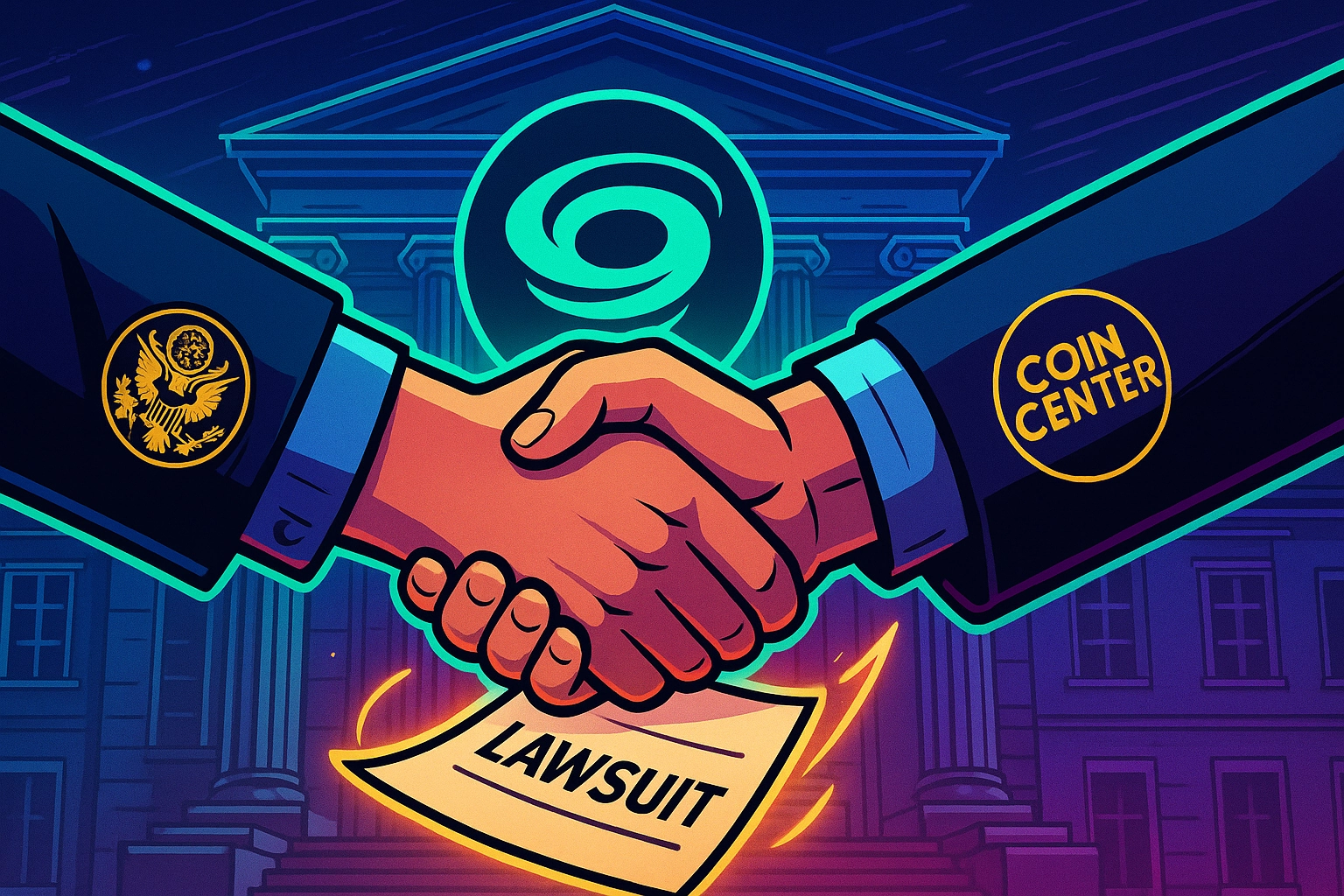
US Government Drops Tornado Cash Appeal, Lawsuit Ends
US Government Drops Tornado Cash Appeal, Lawsuit Ends
Treasury Department Officially Withdraws Appeal Against Crypto Mixer
The US Treasury Department has officially dropped its appeal against cryptocurrency mixer Tornado Cash, bringing the long-running legal battle to a formal close. This decision comes nearly five months after the Treasury Department initially lifted sanctions against the controversial crypto privacy tool.
The United States Court of Appeals for the Eleventh Circuit granted a joint motion by both parties to dismiss the appeal. Court documents reveal that all parties agreed the appeal had become moot and that any court decision would have no practical effect on the outcome.
Coin Center Celebrates Legal Victory
Coin Center, the Washington D.C.-based cryptocurrency advocacy group that challenged the sanctions, announced the resolution through Executive Director Peter Van Valkenburgh. He confirmed that the joint motion effectively brings the case to its official conclusion.
The government chose not to pursue its position on the broad interpretation of sanction laws, according to Valkenburgh. This decision suggests the Treasury Department was not interested in defending what critics called an overly broad interpretation of sanctions regulations.
Background of the Tornado Cash Sanctions Case
The legal battle began when the Office of Foreign Assets Control (OFAC) imposed sanctions on Tornado Cash. In April, a US court vacated its judgment against the crypto mixer, prohibiting OFAC from continuing to impose sanctions on the platform.
The court ruled that OFAC's decision to sanction Tornado Cash violated provisions of the Administrative Procedure Act. This landmark ruling barred OFAC from imposing similar sanctions against the privacy-focused cryptocurrency mixer.
Roman Storm Still Faces Criminal Charges
Despite the regulatory victory for Tornado Cash, co-founder Roman Storm remains in legal jeopardy. Storm's criminal trial is scheduled to begin next week in New York, where he faces serious charges including conspiracy to commit money laundering and sanctions evasion.
Prosecutors have dropped the charge of conspiracy to operate an unlicensed money transmitter business, but Storm still faces a potential 45-year prison sentence if convicted on the remaining charges. The trial represents a separate legal track from the sanctions case that was just resolved.
Market Response to Legal Development
The TORN token, associated with Tornado Cash, has responded positively to the legal news. The token price increased nearly 3% following the announcement, currently trading at $9.44. Daily trading volume has surged 154%, indicating heightened investor interest.
Previously, TORN experienced a dramatic 180% price spike in a single day when the US Appeals Court initially lifted sanctions against Tornado Cash. This pattern suggests market participants view regulatory clarity as a positive development for the project.
Broader Implications for Crypto Regulation
The decision to drop the appeal reflects a potentially softening regulatory environment for digital assets in the United States. Industry observers note that other high-profile cases, including the Ripple-SEC lawsuit, may also see appeals dropped by both parties.
The cryptocurrency ecosystem is preparing for potential new legislation in the coming weeks. The current presidential administration has signaled support for clearer digital asset regulations, which could provide more certainty for the industry.
What This Means for Privacy Coins and Mixers
The Tornado Cash case has significant implications for cryptocurrency privacy tools and mixing services. The resolution suggests that blanket sanctions against decentralized privacy protocols may face legal challenges and regulatory scrutiny.
However, the ongoing prosecution of Roman Storm indicates that individual developers and operators of such services may still face personal legal liability. This creates a complex regulatory landscape where the technology itself may be protected while those who develop or promote it remain vulnerable to prosecution.
Looking Forward
While the sanctions case has concluded, the broader questions about cryptocurrency privacy, regulatory authority, and developer liability remain unresolved. The upcoming trial of Roman Storm will likely provide additional clarity on how courts view the responsibilities of cryptocurrency developers.
The case also highlights the ongoing tension between privacy advocates and regulatory authorities concerned about money laundering and sanctions evasion. As the cryptocurrency industry continues to evolve, these fundamental questions about privacy, regulation, and legal responsibility will likely continue to shape the regulatory landscape.