
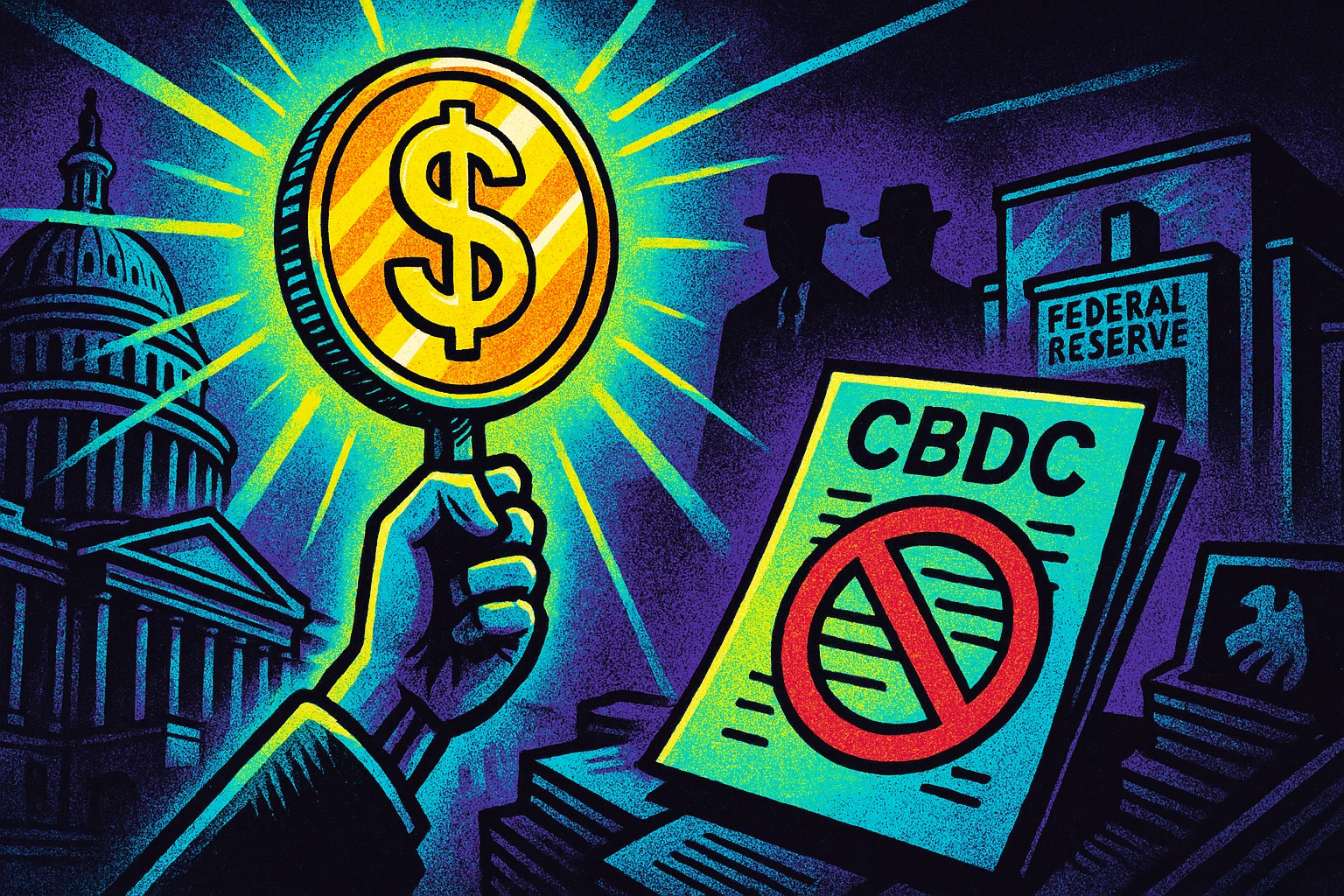
US House Adds CBDC Ban to Defense Bill for 2026
US House Includes CBDC Ban in Major Defense Policy Bill
The United States House of Representatives has incorporated a provision banning central bank digital currencies into the massive defense policy legislation for fiscal year 2026. This strategic move places the CBDC prohibition within must-pass national security legislation.
Defense Bill Includes Federal Reserve Digital Currency Ban
The House Rules Committee released a revised version of HR 3838, the National Defense Authorization Act implementation bill, containing comprehensive language that prohibits the Federal Reserve from studying or creating digital currency. This nearly 1,300-page defense policy bill now carries significant implications for America's digital currency future.
Previous CBDC Ban Legislation Faces Uncertain Senate Future
In July, the House passed the Anti-CBDC Surveillance State Act with a narrow 219-210 vote margin. This Republican-backed legislation now awaits Senate consideration with an unclear path forward. The inclusion in defense legislation represents an alternative strategy for CBDC prohibition.
Must-Pass Military Spending Bill Strategy
National Defense Authorization Act bills are considered essential national security legislation that outlines military funding and budget allocation. Lawmakers frequently attach non-defense provisions to these must-pass bills to avoid potential stalling or heavy revision that standalone legislation might face.
Republican Leaders Fulfill CBDC Ban Promise
House Republican leadership had committed to including CBDC prohibition language in the military spending bill as part of negotiations with conservative hardliners in July. A group of Republican holdouts had blocked three cryptocurrency bills from advancing unless CBDC ban passage was guaranteed.
Historic House Stalemate Over Crypto Legislation
The standoff resulted in over nine hours of delayed voting to establish floor debate on cryptocurrency bills, marking the longest delay in House history. House Majority Leader Steve Scalise eventually broke the impasse by promising CBDC ban inclusion in the National Defense Authorization Act.
Comprehensive Federal Reserve Digital Currency Restrictions
The defense bill provision establishes broad restrictions on Federal Reserve digital currency activities. The language specifically prohibits the central bank from issuing any digital currency or asset while preventing direct financial product or service offerings to individual consumers.
Testing and Development Restrictions with Stablecoin Exception
The provision explicitly bars the Federal Reserve from testing, studying, developing, creating, or implementing digital currency or digital assets. However, the legislation includes a notable exception for stablecoins, specifically allowing "dollar-denominated currency that is open, permissionless, and private."
Previous Congressional CBDC Ban Attempts
House Republicans have pursued CBDC prohibition legislation across multiple Congressional sessions. The previous version, titled the CBDC Anti-Surveillance State Act, was introduced by Representative Tom Emmer in early 2023 but failed to progress and expired with the previous Congress.
Current CBDC Ban Aligns with Trump Administration Policy
Representative Emmer reintroduced updated CBDC ban legislation in the current Congressional session. Republican support for this initiative aligns with President Donald Trump's January executive order that prohibited central bank digital currencies.
Strategic Implications for US Digital Currency Policy
The inclusion of CBDC ban language in defense legislation represents a significant strategic shift in approaching digital currency regulation. By embedding these restrictions within essential military funding legislation, proponents increase the likelihood of CBDC prohibition becoming federal law.
Stablecoin Market Remains Unaffected
While the legislation targets Federal Reserve-issued digital currencies, the explicit stablecoin carve-out ensures that existing dollar-denominated digital assets continue operating without restriction. This distinction maintains support for private sector digital currency innovation while limiting government-issued alternatives.
Senate Consideration Remains Key Factor
Although the House has taken decisive action on CBDC prohibition through both standalone legislation and defense bill inclusion, Senate consideration remains the critical factor determining whether these restrictions become federal law. The defense bill's must-pass nature may influence Senate deliberations on CBDC policy.
For more Crypto, Web3, Blockchain & AI news visit : www.metamoonmedia.com