
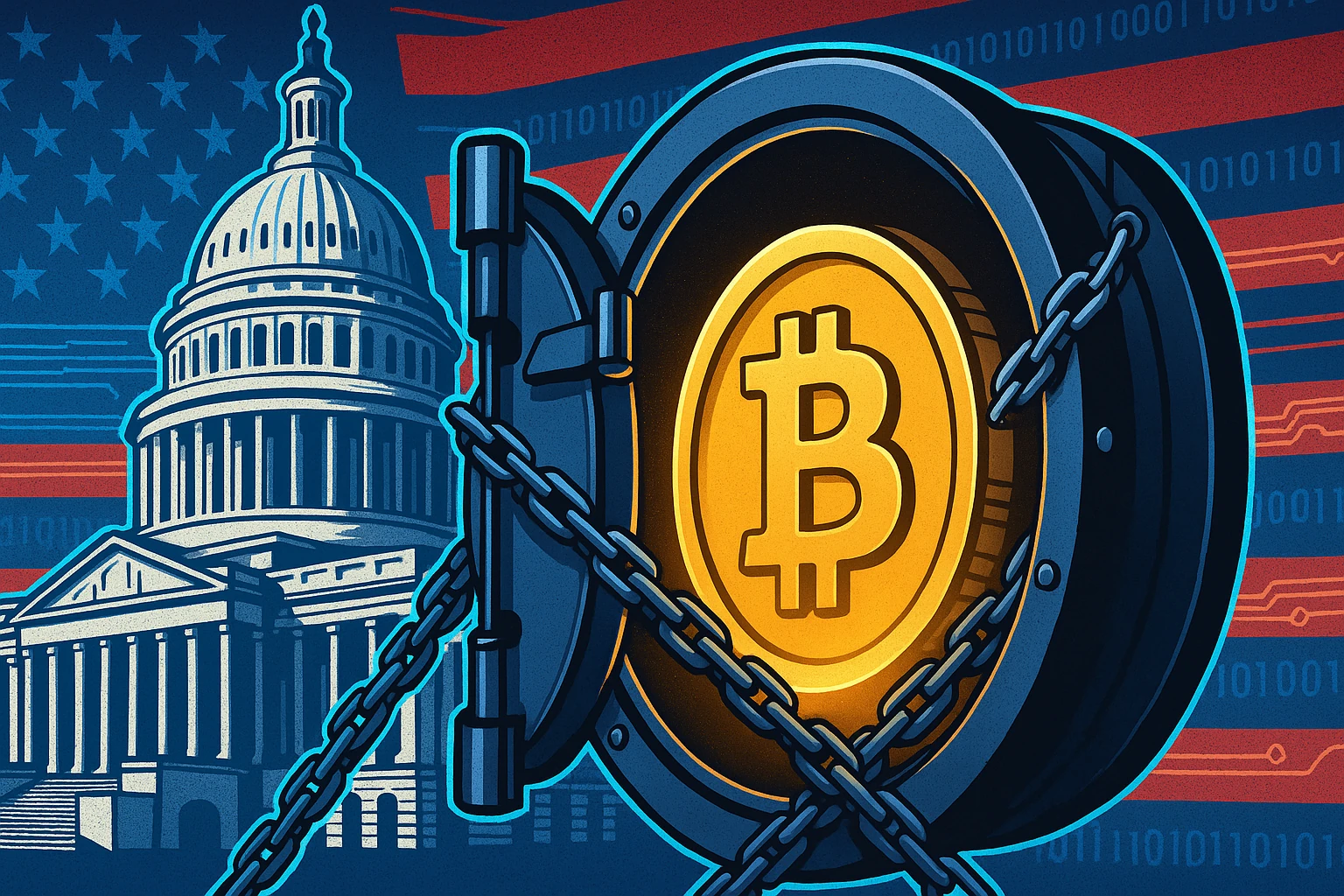
US Strategic Bitcoin Reserve: Nationalization Debate Heats Up
US Strategic Bitcoin Reserve Sparks Nationalization Debate Among Experts
Recent discussions about establishing a US Strategic Bitcoin Reserve have intensified debates over potential government nationalization of cryptocurrency companies. Financial experts are divided on whether the United States should consider seizing private firms to accelerate Bitcoin accumulation for national security purposes.
Key Experts Present Contrasting Views on Bitcoin Strategy
The debate gained momentum following social media discussions between prominent financial analysts. Lyn Alden, a respected market analyst, expressed concerns about the implications of nationalizing companies for Bitcoin reserves. Alden warned that such government actions could signal disregard for property rights, potentially deterring foreign investment for decades.
Max Keiser, a cryptocurrency advocate, presented a more aggressive perspective. Keiser outlined a scenario where competing nations like Russia and China acquire substantial Bitcoin holdings, potentially forcing the US to take drastic measures. He suggested that accumulating 1 million BTC by rival nations could pressure America to seize companies like MicroStrategy or Riot Blockchain for national security reasons.
Strategic Bitcoin Reserve Implementation Proposals
Crypto analyst Willy Woo proposed a detailed strategy for building America's Bitcoin reserves. His plan includes revaluing existing gold reserves to current market prices and liquidating them for cash. Woo suggested targeting companies like MicroStrategy during bear markets when valuations are depressed, making nationalization more economically feasible.
The proposal reflects growing concerns about America's position in the global cryptocurrency landscape. Proponents argue that a strategic Bitcoin reserve could serve as a hedge against economic uncertainty and maintain US financial dominance.
National Security Implications Drive Policy Discussions
The nationalization debate centers on national security considerations in an increasingly digital financial world. Experts worry about potential "Hash Wars" where nations compete for cryptocurrency dominance. This competition could reshape global financial power structures and influence geopolitical relationships.
Some analysts argue that Bitcoin's decentralized nature makes it an ideal strategic asset for sovereign nations. Others contend that government seizure of private companies would undermine the fundamental principles of free markets and property rights.
State-Level Bitcoin Reserve Initiatives Gain Momentum
While federal policy remains unclear, state governments are taking action. Texas recently signed strategic Bitcoin reserve legislation, becoming a leader in state-level cryptocurrency adoption. This development demonstrates growing institutional acceptance of Bitcoin as a legitimate strategic asset.
The Texas initiative could serve as a model for other states considering similar measures. State-level adoption may pressure federal authorities to develop comprehensive national Bitcoin policies.
Market Impact and Investment Considerations
The nationalization debate has implications for cryptocurrency markets and investor sentiment. Companies holding significant Bitcoin reserves, particularly MicroStrategy and Riot Blockchain, face increased scrutiny from policymakers and investors.
Market participants are closely monitoring government statements and policy developments. The potential for nationalization could influence corporate Bitcoin adoption strategies and impact valuations of cryptocurrency-focused companies.
Global Competition Drives Strategic Planning
International competition for Bitcoin reserves is intensifying as nations recognize cryptocurrency's strategic importance. Countries are developing various approaches to Bitcoin accumulation, from direct purchases to regulatory frameworks encouraging private sector holdings.
The US faces pressure to maintain its financial leadership position while balancing free market principles with national security concerns. This tension will likely shape future cryptocurrency policy decisions.
Economic Policy Implications for Bitcoin Adoption
The strategic Bitcoin reserve debate reflects broader questions about cryptocurrency's role in modern monetary policy. Traditional reserve assets like gold and foreign currencies face potential displacement by digital assets offering unique advantages.
Government Bitcoin holdings could influence monetary policy tools and economic stability measures. Central banks worldwide are studying cryptocurrency integration into existing financial systems.
Future Outlook for US Bitcoin Strategy
The path forward for US Bitcoin strategy remains uncertain as experts continue debating optimal approaches. Federal policymakers must balance national security interests with respect for property rights and market freedom.
Public opinion and political pressure will likely influence final policy decisions. The cryptocurrency community watches closely as government officials consider various strategic options.
Conclusion
The US Strategic Bitcoin Reserve debate highlights the intersection of national security, economic policy, and cryptocurrency adoption. While expert opinions remain divided, the discussion demonstrates Bitcoin's growing importance in global financial strategy.
Whether through nationalization, incentivized accumulation, or market-based approaches, the United States will likely develop some form of strategic Bitcoin position. The chosen strategy will have lasting implications for cryptocurrency markets, government policy, and international financial relationships.