
Why Crypto Tokens Failed and How They'll Come Back Strong
Why Crypto Tokens Failed and How They'll Come Back Strong
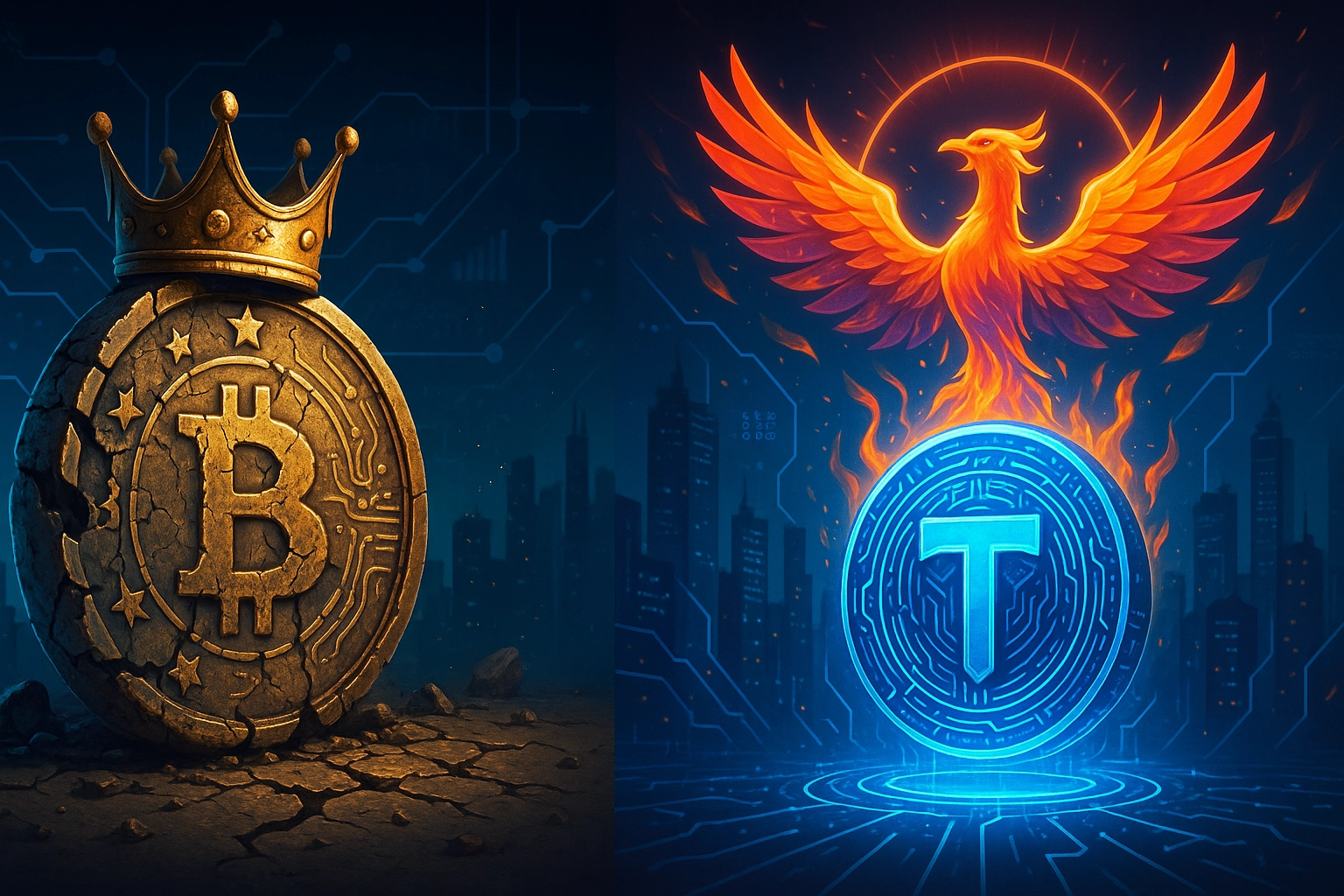
Crypto communities believe tokens are finished. While they have valid concerns, they're also missing the bigger picture of what's coming next.
Bitcoin holders celebrate as their investment approaches all-time highs, while token investors watch their portfolios decline. With Bitcoin representing just 11.6% of the average retail investor's portfolio, this divergence has been particularly painful. This stark contrast tells the story of token failure and the potential path to recovery.
What Caused Token Market Collapse
The token market's decline stems from three fundamental problems that have plagued the industry.
Insider-Heavy Token Distribution
Major crypto projects now launch with most tokens reserved for teams and private backers, leaving only small portions for public investors. This concentration has created an environment where 95% token depreciation after public launch has become normalized.
Private fundraising rounds capture the majority of value before tokens reach retail investors. This insider concentration contradicts crypto's original promise of democratized access to investment opportunities.
Misunderstood Token Economics
Investors treated utility and governance tokens as passive investments expecting automatic price appreciation. However, these tokens typically require active participation through staking or liquidity provision to generate value.
The disconnect between token functionality and investor expectations created unrealistic market dynamics. Most token projects lack genuine revenue streams, making equity-style returns impossible to sustain.
Limited Asset Diversity
Crypto investors remained trapped within narrow token markets without access to tokenized real-world assets. Legal frameworks prevented widespread adoption of tokenized equities, bonds, and traditional assets.
This limitation concentrated risk and reduced portfolio diversification options for token investors seeking broader market exposure.
How Regulation Will Revive Tokens
Despite current challenges, structural changes are addressing these fundamental problems through regulatory clarity and improved frameworks.
Regulatory Framework Development
The European Union's Markets in Crypto-Assets regulation demonstrates how proper oversight can drive innovation while protecting investors. These frameworks provide clear guidelines for public token offerings with appropriate disclosures.
Regulated token fundraising is reviving the original spirit of initial coin offerings by providing open public access based on merit rather than connections or privileged positions.
Improved Token Design Standards
Emerging regulatory clarity sets expectations for token issuers, encouraging higher quality asset creation. Token designs previously shaped by regulatory uncertainty can now focus on providing genuine investor value.
Whether offering crypto-native assets or security-style tokens, consistent regulatory standards apply across the board. These include market abuse controls, investor information requirements, and insider disclosure obligations.
Real-World Asset Integration
Tokenized real-world assets represent the next frontier for crypto investors. Legal frameworks now support tokenized traditional assets, expanding investment options beyond crypto-native tokens.
Major financial institutions are developing tokenized offerings while governments implement tokenization strategies for future financial infrastructure. This expansion provides portfolio diversity previously unavailable in crypto-only investments.
The Future of Tokenized Markets
These converging trends create a foundation for sustainable token market growth through improved structure and broader asset availability.
Primary Market Access
Where retail investment was previously blocked, regulated public fundraising channels are emerging. Direct primary market access democratizes early-stage investment opportunities.
Fundamental Value Connection
Projects disconnected from economic fundamentals now face structured investment frameworks requiring genuine value creation. This shift eliminates unsustainable tokenomics models.
Asset Diversification
Concentrated investment options are expanding to include diverse tokenized asset types, from traditional securities to innovative decentralized applications.
Token Market Renaissance Ahead
The convergence of regulatory clarity, improved token design, and real-world asset integration points toward tokenization becoming permanently embedded in capital markets.
This transformation requires significant changes to current practices and business models. However, the potential for widespread decentralized applications that distribute value directly to global tokenholders justifies the disruption.
The token market needs purification and reinvention, but reports of its death are greatly exaggerated. Regulatory frameworks, improved economics, and asset diversification are creating conditions for sustainable long-term growth.
Rather than writing off tokens entirely, investors should prepare for a more mature, regulated, and diverse tokenized economy that addresses the fundamental flaws that caused the current market decline.
For more Crypto, Web3, Blockchain & AI news visit : www.metamoonmedia.com