
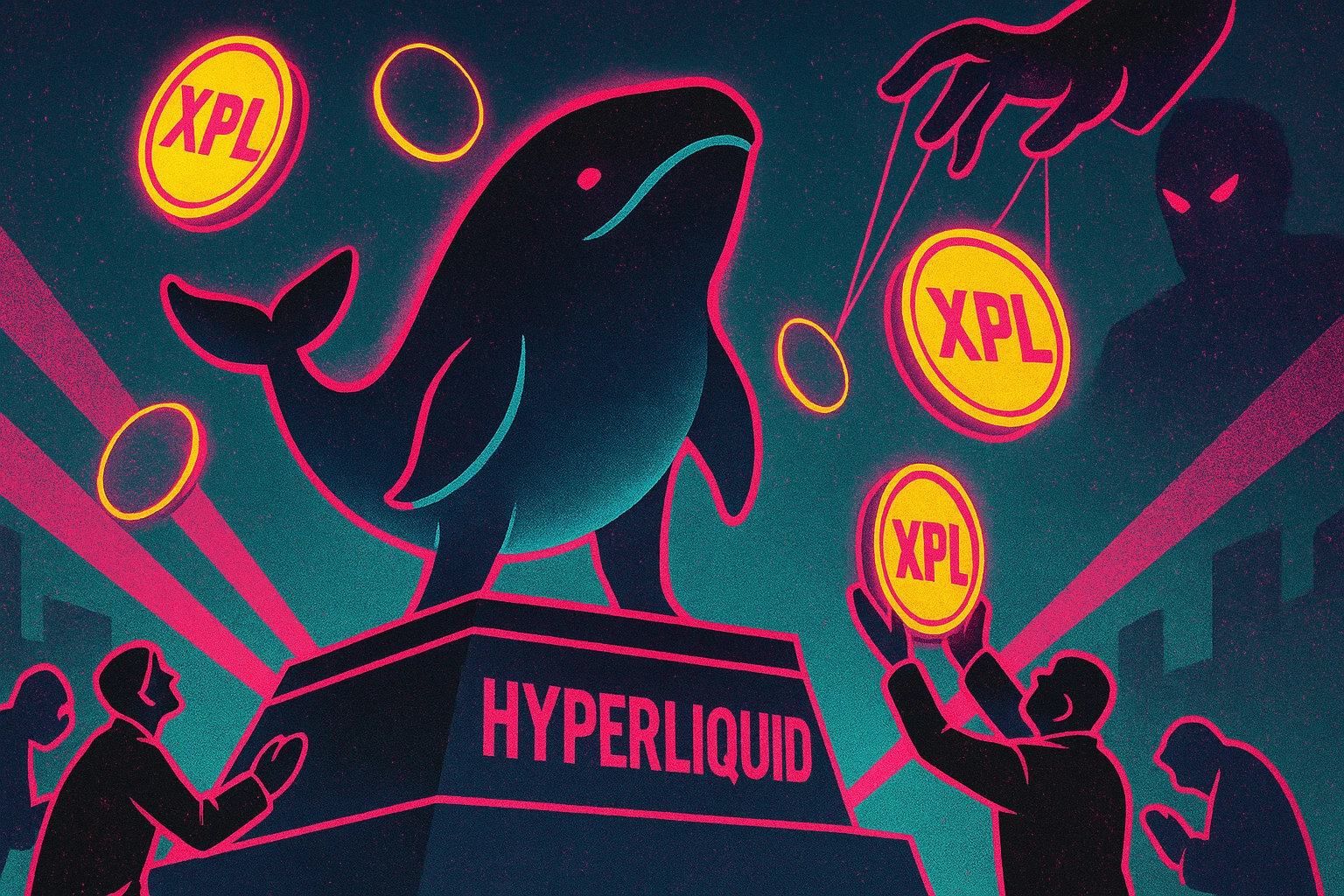
XPL Whales Net $48M in 200% Rally Amid Manipulation Claims
Hyperliquid Whales Profit $48 Million as XPL Token Surges 200% Amid Manipulation Allegations
Whale Trading Activity Raises Concerns on Decentralized Platforms
Four cryptocurrency whales generated a combined profit of $47.5 million following a dramatic 200% price surge in Plasma blockchain's XPL token on the Hyperliquid decentralized exchange. The massive gains have sparked serious allegations of price manipulation and raised questions about the security of decentralized trading platforms.
Major Whale Wallets Orchestrate Market Movement
The largest whale wallet, identified as 0xb9c, emerged as the primary orchestrator of the trading activity, securing over $15 million in profits during the price manipulation event. Blockchain analytics platform Spot On Chain documented the suspicious trading patterns, describing the incident as one of the most extreme short squeezes and wealth redistributions observed in recent crypto trading history.
The XPL token experienced an unprecedented surge from its previous price level to over $1.80 within minutes, creating what analysts characterized as a coordinated market manipulation event on the Hyperliquid platform.
Significant Trader Losses Mount During Price Manipulation
While whales profited substantially, multiple traders suffered devastating losses during the XPL price manipulation. The most severely affected trader lost approximately $4.59 million on their XPL position, highlighting the extreme risks associated with leveraged trading on decentralized platforms.
A second trader, known by the username CBB, publicly acknowledged losing $2.5 million on a short position in XPL tokens. The trader expressed frustration with the incident and stated intentions to avoid isolated markets in future trading activities.
Historical Context of Hyperliquid Vulnerabilities
The recent manipulation allegations follow a pattern of security concerns surrounding the Hyperliquid platform. Five months prior, the exchange suffered a significant exploit involving the Jelly memecoin that resulted in $6.26 million in losses due to vulnerabilities in the platform's liquidation parameters.
These recurring incidents have intensified scrutiny of decentralized exchange security measures and highlighted the ongoing challenges facing DeFi trading platforms in preventing market manipulation and protecting trader funds.
Initial Allegations Against Justin Sun Later Retracted
Blockchain analysts initially suggested potential involvement by Tron Network founder Justin Sun in the whale trading activity. However, pseudonymous analyst MLM subsequently retracted these claims, issuing a public apology for the incorrect analysis and clarifying that multiple sources confirmed Sun was not connected to the suspicious wallet addresses.
The retraction underscores the importance of thorough verification in blockchain analysis and the risks associated with premature attribution of trading activity to specific individuals.
Ongoing Whale Positions and Market Impact
Data from Hypurrscan blockchain explorer reveals that the primary whale wallet continues to maintain a leveraged XPL position worth over $8.6 million, with unrealized profits exceeding $614,000. The sustained position suggests continued confidence in XPL token performance or strategic positioning for future market movements.
The manipulation event has prompted calls for enhanced oversight and security measures on decentralized trading platforms, particularly regarding whale activity monitoring and position transparency.
Implications for Decentralized Exchange Security
The XPL manipulation incident represents a significant challenge for decentralized finance platforms seeking to establish credibility and user trust. The ability of whale traders to coordinate substantial market movements raises fundamental questions about the fairness and reliability of decentralized trading environments compared to regulated centralized exchanges.
Industry observers emphasize the need for improved monitoring systems, enhanced liquidation mechanisms, and stronger safeguards against coordinated manipulation attempts on DeFi platforms. The incident serves as a critical case study for developing more robust decentralized trading infrastructure that can better protect retail traders while maintaining the decentralized principles that define the DeFi ecosystem.
For more Crypto, Web3, Blockchain & AI news visit : www.metamoonmedia.com