
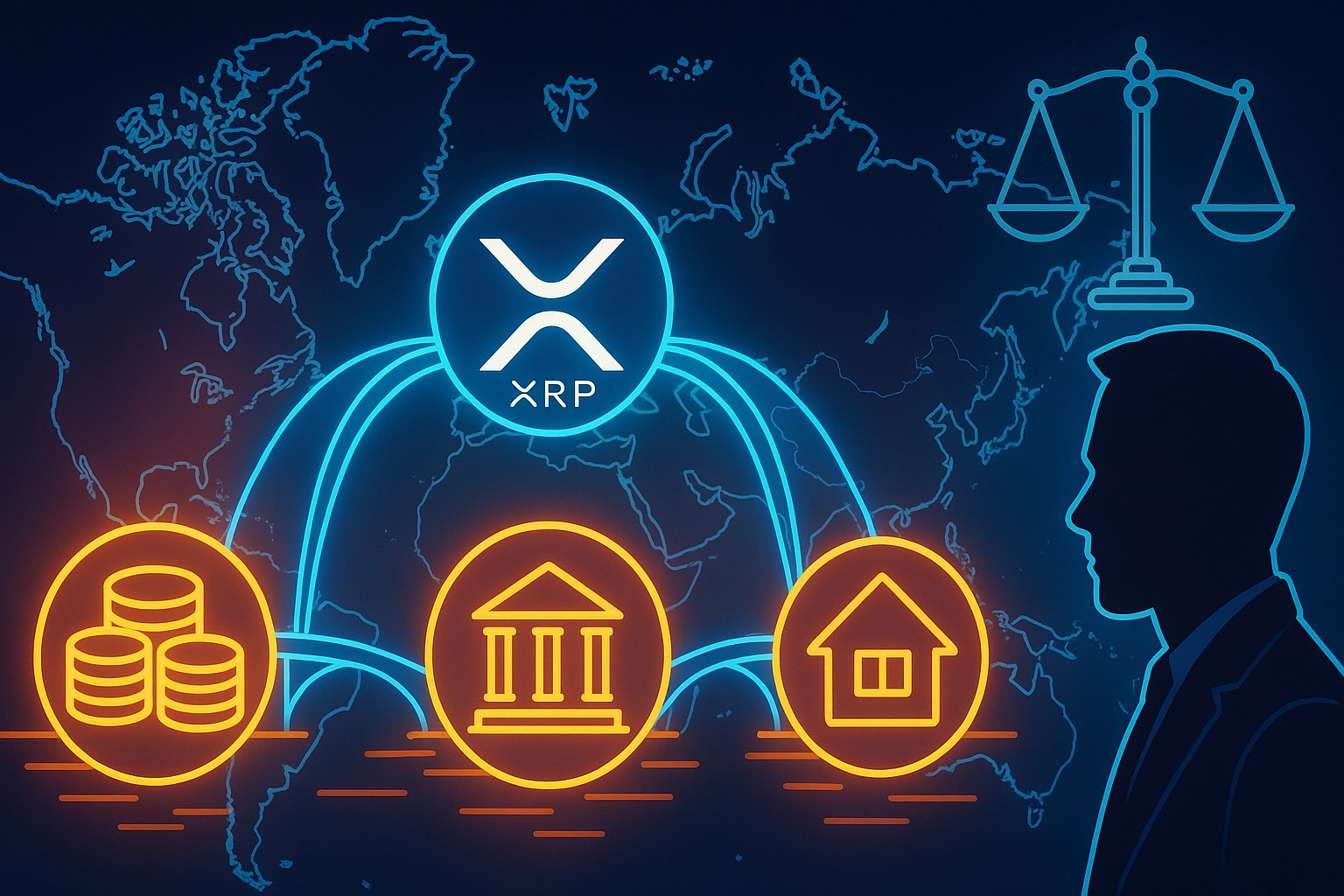
XRP's Role in Cross-Border Tokenized Asset Trading
XRP Emerges as Key Bridge Currency for Cross-Border Tokenized Assets
Ripple CTO Highlights XRP's Strategic Position in Tokenized Finance
XRP is rapidly positioning itself as the backbone of tokenized financial markets, according to recent statements from Ripple's Chief Technology Officer David Schwartz. The digital asset's unique characteristics make it particularly well-suited for bridging tokenized assets across different jurisdictions and regulatory frameworks.
Real-Time Liquidity and Cross-Border Efficiency
Schwartz emphasized XRP's distinctive advantages in supporting modern financial infrastructure, particularly highlighting three key features that set it apart in the tokenized asset space:
Real-Time Liquidity Provision XRP's ability to provide instant liquidity makes it an ideal bridge currency for tokenized asset transactions. Unlike traditional settlement systems that can take days, XRP enables immediate value transfer, crucial for time-sensitive tokenized asset trades.
Cross-Border Agility The cryptocurrency's design allows for seamless cross-border transactions without the typical friction associated with traditional banking systems. This agility is particularly valuable as tokenized assets often involve participants from multiple jurisdictions.
Settlement Scalability XRP's network can handle high transaction volumes with minimal fees, making it cost-effective for frequent tokenized asset settlements across different markets and regulatory environments.
Addressing Volatility Concerns in Bridge Currency Applications
One common criticism of XRP is its price volatility. However, Schwartz argues that in certain bridge currency use cases, volatility is not necessarily a drawback. When XRP is held for short periods during cross-border transfers, the brief exposure to price fluctuations is often offset by the speed and cost advantages.
The Ripple CTO explained that bridge currencies only work effectively when market makers and liquidity providers are willing to hold them. XRP's established market presence and institutional adoption make it attractive for this role.
The Multi-Stablecoin Environment and XRP's Position
Looking toward the future of bridge currencies, Schwartz acknowledged that while a single dominant stablecoin could theoretically serve as the sole bridge currency, the reality is more complex. Since stablecoins are typically tied to specific fiat currencies and jurisdictions, a multi-stablecoin environment is likely to persist.
This regulatory fragmentation creates opportunities for neutral, jurisdictionless assets like XRP to serve as intermediaries between different tokenized asset ecosystems.
XRP Ledger's Role in Tokenized Asset Infrastructure
The XRP Ledger (XRPL) provides the underlying infrastructure that makes these cross-jurisdictional bridges possible. Its decentralized nature and regulatory clarity in many jurisdictions position it as a reliable foundation for tokenized asset transactions.
Key features supporting tokenized assets include:
Fast Transaction Processing: Transactions settle in 3-5 seconds, enabling rapid tokenized asset swaps.
Low Transaction Costs: Minimal fees make frequent trading and rebalancing economically viable.
Regulatory Compliance: XRP's legal status in many jurisdictions provides clarity for institutional adoption.
Institutional Adoption and Real-World Implementation
Ripple's partnerships with over 300 financial institutions demonstrate growing institutional confidence in XRP's utility for cross-border payments. While on-chain activity on the XRPL may not reflect all institutional usage due to private implementations, the underlying infrastructure continues to support significant transaction volumes.
The tokenization trend is accelerating across various asset classes, from real estate to commodities. As these markets become increasingly digital and global, the need for efficient bridge currencies like XRP becomes more apparent.
Future Outlook for XRP in Tokenized Markets
As tokenization becomes more prevalent in traditional finance, XRP's role as a bridge currency is expected to expand. The combination of speed, cost-effectiveness, and regulatory clarity positions XRP to capture a significant share of the growing tokenized asset market.
The ongoing development of central bank digital currencies (CBDCs) and increased institutional adoption of blockchain technology further validates the need for neutral bridge assets that can operate across different regulatory frameworks.
Conclusion
XRP's positioning as a bridge currency for tokenized assets represents a significant opportunity in the evolving digital finance landscape. With its technical capabilities, regulatory clarity, and institutional backing, XRP is well-positioned to play a crucial role in connecting tokenized asset markets across different jurisdictions.
As the tokenization trend accelerates and cross-border digital asset trading becomes more common, XRP's unique characteristics as a fast, cost-effective, and jurisdictionally neutral bridge currency make it an increasingly valuable component of the global financial infrastructure.
For more Crypto, Web3, Blockchain & AI news visit : www.metamoonmedia.com